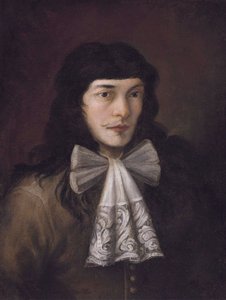
Биография на художника
Живот, обвит в мрак: Енигматичният свят на Алессандро Магнаско
Алессандро Магнаско – име, може би по-малко познато от това на неговите барокови съвременници, заема въпреки това уникална и завладяваща позиция в историята на италианското изкуство. Роден в Генуя през 1667 г., той прекарва по-голямата част от творческия си живот в Милан, връщайки се в родното си място едва към края на кариерата си през 1735 г. Тази географска промяна отразява фино, но значително еволюционно движение във неговото художествено виждане – пътешествие от съвместни проекти и утвърдени традиции към изключително личен и често обезпокоителен стил. Магнаско не просто е рисувал това, което е виждал; той е пренасял специфично настроение, чувство за меланхолия и разпад, върху платното с дързост, която го отличава. Периодът между 1703 и 1709 г., през който той се намира във Флоренция, служейки на архидука Козимо III, безсъ doubt без съмнение е разширил художествените му хоризонти, макар и неговото директно влияние върху зрелия му стил да остава обект на интерпретации. В началото на кариерата си той често е работил в партньорство с други художници, умело интегрирайки фигури в пейзажите на Джовани Батиста Тавела и използвайки архитектурни руини, създадени от Клементе Спера – сътрудничества, които са отшлифовали техническите му умения, като същевременно подсказват за неговата нарастваща независимост.
Необичайно виждане: Стил и тематика
Художественият подпис на Магнаско се крие в неговия отличителен подход както към мащаба, така още и към палитрата. Той е предпочитал малки платна, често използвайки хипохроматичен диапазон от приглушени цветове – сиви, кафяви, охрени – които допринасят за мрачната атмосфера, пропиваща неговите творби. Тези картини не са такият, които викат за внимание; те шепнат тайни от полумрачни ъгли. Сцените му често изобразяват разпадащи се руини, зловещи пейзажи, обгърнати в мъгла, или претъпкани интериори, населени с издължени фигури, предадени чрез нервни, трептящи мазки. Именно тези фигури – често разкъсани просяци, самотни монаси или сенчести групи, ангажирани с мистериозни дейности – истински дефинират неговото творчество. Изборът на Магнаско за предмет на изкуството е бил забележително нетрадиционен за времето си. Той не се е колебал да изобрази сцени, считани за маргинални или дори табу: синагогални служби, кваристски срещи, събирания на разбойници, разпити от Инквизицията и изображения на катастрофи. Намерението на художника остава двусмислено; били ли тези картини изражение на социален коментар, изследване на религиозната толерантност (или нетолерантност) или просто упражнения в улавянето на определено настроение? Тази двусмисленост е точно това, което прави творбите му толя завладяващи. По-късно в кариерата си, след 1710 г., той става известен с готическите църкви, самотните отшелници и монаси, разбойниците, събрани на градските площади, и войниците в казармите – сцени, които допълнително затвърждаване репутацията му на творец, привлечен от периферията на обществото.
Влияния и художествено развитие
Определянето на точните влияния върху художественото развитие на Магнаско е комплексна задача. Той ясно е абсорбирал елементи от различни източници, но ги е синтезирал в нещо напълно оригинално. Свободният живописен стил на неговия венециански съвременник Себастиано Ричи безсъ doubt е изиграл роля, въпреки че творбите на Ричи са клонили към по-големи мащаби и по-очевидни митологични теми. По-близо до неговите корени, геноазските художници Доменико Пиола и Грегорио де Ферари са предложили стилистични предци, но визията на Магнаско е много по-тъмна и интроспективна. Емоционалната интензивност на миланския художник Ил Морацоне също резонира с него, особено в способността му да предава психологическа дълбочина чрез експресивна техника. Неговите морски пейзажи разкриват афинитет към романтичните изображения на бушуващи морета и разбойници, предпочитани от Салваторе Роза, докато малкият мащаб на неговите фигури спрямо обширните пейзажи е ехо от въздушните композиции на Клод Лорен. Провеждат се и сравнения с жанровите сцени на Джузепе Мария Креспи, включващи просяци, въпреки че фигурите на Креспи са по-масивни и индивидуализирани. Някои учени дори предполагат, че Магнаско може да е повлиял на самия Креспи. Освен това върху художника вероятно са повлияли италианските жанрови живописци от късната барок, римските Бамбочанти, както и детайлните гравюри на Жак Кало.
Наследство и историческа значимост
Стилът на Алессандро Магнаско е бил в рязък контраст с преобладаващите художествени норми в Генуя, които са наблягали на полирани повърхности и хармонично смесване на цветовете. Неговият смел подход и уникална визия не са били веднага ценени в родното му градче, но намират признание сред колекционери и покровители другаде, особено в аристократичните кръгове на Милан. Рудолф Виткоуер е описал прочуто него като „самотен, напрегнат, странен“ творец, отделен от доминиращата венецианска школа. Въпреки първоначалното липса на признание, творбите на Магнаско упражняват фино, но значително влияние върху следващите поколения художници, включително Марко Ричи, Джузепе Базани, Франческо Мафеи и прочутите венециански живописци Джанアントонио и Франческо Гуарди. Докато тези по-късни рококо художници са приели неговата свободна мазка за декоративни цели, самият Магнаско я е използвал, за да улови чувство за мрак, реалност и психологическа тревога. Неговите изображения на мъчения и други тъмни аспекти на човечеството дори са сравнявани със социалния коментар, открит в етюдите на Франсиско Гоя от 19-ти век – свидетелство за трайната сила и актуалност на неговото обезпокоително виждане. Магнаско остава енигматична фигура, майстор на настроението и атмосферата, чиито картини продължават да очароват и да провокират размисли векове след създаването им. Неговото изкуство е напомняне, че красотата може да бъде открита дори в сенките и че истинското художествено изразяване често лежи отвъд границите на конвенцията.



 Представи си го
 Купете ръчно рисувана картина
 Изпрати
 Сподели
 Детайли

 Изтегляне
 Подобни
 Рентгенова снимка
 Слайдшоу
 Статистика


 Прочетете повече






































 Стъклото е налично само в размери под 110 см