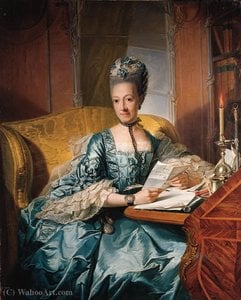
Rococo painters, ranked

100 Famous Rococo Painters: The Definitive Ranking

The most famous Rococo painter is أنطوان واتو (1684–1721), known for الرقصة الريفية and جيل (لوحة). Next come جوفاني أنطونيو كانال, جيوفاني باتيستا تيبولو, فرانسوا بوشيه and جان هونوري فراغونارد. This ranking of the 100 most famous Rococo painters runs from جان فرانسوا دي تروي (born 1645) to إدوارد أونوريه أف (born 1818), across 19 countries.

How this list is ranked. Artists whose works our catalogue files under Rococo, in the order of our fame ranking of artists. Artists without a Wikidata identifier born after 1955 are left out until verified. The Wikipedia figure next to each name is the number of our 32 languages in which Wikipedia has an article on the artist.

  1. الرقصة الريفية by أنطوان واتو1أنطوان واتو
  2. The Stonemason's Yard by جوفاني أنطونيو كانال2جوفاني أنطونيو كانال
  3. The Immaculate Conception by جيوفاني باتيستا تيبولو3جيوفاني باتيستا تيبولو

The essentials

Rococo at a glance

  • 100Artists
  • 1645–1818Years of birth
  • 19Countries of birth
  • 5Women
  • 1Living artists
  • 11037Works in our catalogue
Cities with most births
باريس (15), البندقية (9), Venice (4), فالنسيان (2)

Ranked, with their masterpieces

The ranking: 100 Rococo Painters and their key works

1of 100

أنطوان واتو

فرنسي Born in فالنسيان الروكوكو Wikipedia in 31/32 languages

أنطوان واتو

Key works · The 100 most famous works

2of 100

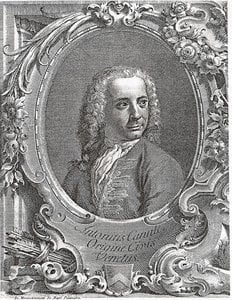
جوفاني أنطونيو كانال

Born in البندقية Wikipedia in 30/32 languages

جوفاني أنطونيو كانال

Key works · The 100 most famous works

3of 100

جيوفاني باتيستا تيبولو

إيطالي Born in البندقية الروكوكو والباروك Wikipedia in 30/32 languages

جيوفاني باتيستا تيبولو

Key works · The 100 most famous works

9of 100

جان باتست غروز

French Born in Tournus Rococo, Genre painting Wikipedia in 22/32 languages

جان باتست غروز

Le Père de famille expliquant la Bible à ses enfants (1755): حجر الزاوية في نجاحه المبكر، يجسد المثل العليا للتنوير لتقوى الأسرة. La Jeune Fille qui pleure son oiseau mort (حوالي 1765): يوضح إتقان جريز للتعبير العاطفي ورواية القصص المؤثرة. Savoyard with a Dancing Doll (حوالي 1763): يلتقط روح وضعف الطفولة، ويعرض مهارته في التصوير.

Key works · The 100 most famous works

10of 100

برناردو بيلوتّو

إيطالي Born in البندقية فن الفيدوتا، المناظر الطبيعية الحضرية، رسام نقش Wikipedia in 27/32 languages

برناردو بيلوتّو

Key works · The 100 most famous works

14of 100

جيوفاني باتيستا بيازيتا

الجنسية Born in البندقية الأسلوب أو الحركة الفنية Wikipedia in 16/32 languages

جيوفاني باتيستا بيازيتا

Key works · The 100 most famous works

16of 100

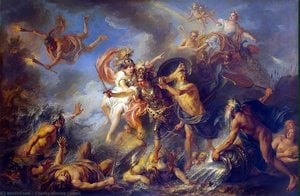
كلود جوزيف فيرنيه

Born in أفنيون Wikipedia in 26/32 languages

كلود جوزيف فيرنيه

The impact of Claude Lorrain is readily apparent in Vernet’s early compositions – the golden light, the carefully arranged classical architecture, and the sense of peaceful contemplation. This synthesis of influences allowed Vernet to develop a distinctly French style of marine painting – one characterized by its atmospheric depth, realistic detail, and emotional resonance. Beyond maritime scenes, Vernet also explored landscapes and hunting subjects, always maintaining a keen eye for detail and an understanding of animal anatomy—a skill honed in his youth.

Key works · The 100 most famous works

25of 100

جان فرانسوا دي تروي

فرنسي Born in تولوز الروكوكو، الباروك Wikipedia in 12/32 languages

جان فرانسوا دي تروي

Key works · The 100 most famous works

27of 100

شارل أندريه فان لو

فرنسي Born in نيس الرسم الروكوكو Wikipedia in 16/32 languages

شارل أندريه فان لو

Pupil of Jean-Baptiste van Loo #53

Key works · The 100 most famous works

31of 100

فرانز أنطون مولبيرتش

ألماني/نمساوي Born in لانغنارغن الروكوكو، الباروكي Wikipedia in 16/32 languages

فرانز أنطون مولبيرتش

Key works · The 100 most famous works

32of 100

شارل أنطوان كويبل

فرنسي Born in باريس الباروك الروكوكو Wikipedia in 11/32 languages

شارل أنطوان كويبل

Key works · The 100 most famous works

33of 100

Adélaïde Labille-Guiard

French Born in Paris Rococo to Neoclassicism Wikipedia in 20/32 languages

Adélaïde Labille-Guiard

Adélaïde Labille-Guiard (1749–1803) stands as a remarkable figure in the history of French art, not merely for her exquisite portraits but also for her courageous challenge to the restrictive conventions that governed women’s roles within the artistic world. She defied societal expectations, navigated institutional barriers, and ultimately paved the way for future generations of female painters.

Key works · The 100 most famous works

34of 100

دميتري ليفيتزكي

أوكراني-روسي Born in كييف التصوير الشخصي الكلاسيكي Wikipedia in 16/32 languages

دميتري ليفيتزكي

Key works · The 100 most famous works

38of 100

ايطالية قديمة لرسام

Born in البندقية Late Baroque, Rococo Wikipedia in 19/32 languages

ايطالية قديمة لرسام

Some of his most notable subjects include: Religious Iconography: Works such as Saint Roch and St Elizabeth Distributing Alms demonstrate his ability to portray Christian compassion and resilience through dramatic lighting and poignant human interaction.

Pupil of Antonio Balestra #69

Key works · The 100 most famous works

45of 100

Elisabeth-Louise Vigée-Lebrun

Elisabeth-Louise Vigée-Lebrun

She traveled extensively throughout Europe – Italy, Austria, Russia, and England – continuing to paint portraits of the aristocracy and establishing new networks of patronage. Petersburg, and London, where she was elected as an honorary member of the Royal Academy of Arts. Though the political landscape had changed dramatically, she was welcomed back into society and continued to paint until her death in Paris on March 30, 1842.

Key works · The 100 most famous works

46of 100

كورادو جياكينتو

إيطالي Born in ملفنت الروكوكو Wikipedia in 11/32 languages

كورادو جياكينتو

Key works · The 100 most famous works

48of 100

كريستيان فيلهلم إرنست ديتريش

ألماني Born in فايمار محاكاة الأساتذة الهولنديين والإيطاليين Wikipedia in 11/32 languages

كريستيان فيلهلم إرنست ديتريش

Key works · The 100 most famous works

49of 100

Charles Amédée Philippe Van Loo

French Born in Rivoli Rococo, Portraiture Wikipedia in 13/32 languages

Charles Amédée Philippe Van Loo

Vanloo's artistic style was deeply rooted in the traditions of the Baroque and Roman art academies, but he also drew inspiration from the work of contemporary artists such as Nicolas Lancret and Jean-Honoré Fragonard. His compositions are often dynamic and asymmetrical, creating a sense of movement and energy. He skillfully blended these influences to create a distinctive Rococo style characterized by its elegance, grace, and theatricality.

Pupil of Jean-Baptiste van Loo #53

Key works · The 100 most famous works

50of 100

غوستاف لوندبيرغ

سويدي Born in ستوكهولم روكوكو باستيل Wikipedia in 14/32 languages

غوستاف لوندبيرغ

Key works · The 100 most famous works

53of 100

Jean-Baptiste van Loo

French Born in Aix-en-Provence Baroque, Rococo Wikipedia in 15/32 languages

Jean-Baptiste van Loo

His father, Louis-Abraham van Loo, himself the son of Jacob van Loo, instilled in him not only technical skill but also an appreciation for the power and prestige associated with portraiture.

Key works · The 100 most famous works

54of 100

John Wollaston

English Rococo Painting

John Wollaston

His work bears an unmistakable resemblance to the portraits of Thomas Hudson and Allan Ramsay, capturing not just the likeness of his subjects but the very essence of their social standing. His journey across the Atlantic in 1749 marked a transformative chapter for both the artist and the colonies. While later giants like Benjamin West and Gilbert Stuart would command the spotlight of American portraiture, Wollaston’s true contribution lies in his role as a pioneer, introducing the delicate elegance and shimmering sophistication of the Rococo style to North America.

Key works · The 100 most famous works

55of 100

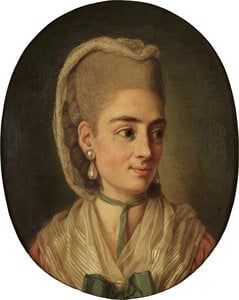
Carl Gustaf Pilo

Swedish Born in Runtuna Rococo Wikipedia in 12/32 languages

Carl Gustaf Pilo

Perhaps no single work encapsulates the grandeur and technical complexity of Pilo’s career more than his monumental, though unfinished, masterpiece, "Gustav III’s Coronation." This painting serves as a breathtaking window into the ceremonial splendor of the Swedish monarchy.

Key works · The 100 most famous works

56of 100

Anna Dorothea Therbusch

German Born in Berlin Rococo Wikipedia in 13/32 languages

Anna Dorothea Therbusch

Anna Dorothea Therbusch (1721-1782) stands as a remarkable figure in the annals of Rococo art history —a woman artist who defied societal expectations and achieved considerable renown during the Enlightenment. Born into a family steeped in artistic tradition, her father, Georg Lisiewski, was himself a celebrated Berlin portrait painter, establishing a lineage dedicated to visual representation. Her acceptance into the Académie royale de peinture et de sculpture marked a pivotal moment in her career, affording her access to influential mentors and fostering collaborations with fellow artists like Philippe Hackert.

Key works · The 100 most famous works

59of 100

Michele Marieschi

Italian Born in Venice Vedute Venice Wikipedia in 9/32 languages

Michele Marieschi

Born in Venice in 1710, Marieschi emerged from a lineage of craftsmanship, being the son of a woodcarver—a background that likely instilled in him a profound respect for structure, texture, and the physical essence of the objects he depicted. In the golden age of the Venetian Rococo, few artists captured the ephemeral magic of the Serenissima with as much vitality as Michele Giovanni Marieschi.

Key works · The 100 most famous works

60of 100

Antonio Corradini

Italian Born in Este Rococo

Antonio Corradini

He built upon the dramatic energy of the former while embracing the lightness, elegance, and playful sensuality of the latter. The ability to create such realistic illusions with marble solidified his place as one of the leading sculptors of his time. After leaving Vienna, Corradini spent his final years in Rome and Naples, continuing to refine his art until his death in 1752.

Key works · The 100 most famous works

61of 100

مصنع مايسن للبورسلين

ألماني Born in مايسن بورسلين الصلب (Hard-paste porcelain)

مصنع مايسن للبورسلين

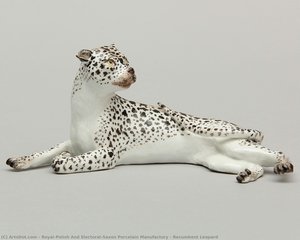
"الأشكال الرمزية للفضيلة" – تُظهر قدرة المصنع على تجسيد المفاهيم المعقدة في قالب نحتي، مستعرضةً تفاصيل دقيقة ورؤية فنية رفيعة. "الفهد المستلقي" – يمثل مزيجاً بارعاً بين الواقعية والأناقة، مما يعكس تفاني مايسن في تصوير الحيوانات بدقة مذهلة ورشاقة فائقة.

Key works · The 100 most famous works

62of 100

Gerard van Spaendonck

Born in Tilburg Wikipedia in 12/32 languages

Gerard van Spaendonck

He contributed over fifty works to Les Vélins du Roi, a renowned collection of botanical watercolors commissioned by the French royal family. Fleurs Dessinees d'apres Nature (Flowers Drawn from Life): Published between 1799 and 1801, this series of twenty-four engraved plates served as a valuable resource for students of floral painting. Van Spaendonck died in Paris in 1822 and is buried in Père Lachaise Cemetery.

Key works · The 100 most famous works

66of 100

فرنسيس هايمان

إنجليزي Born in إكستر الروكوكو، فن البورتريه Wikipedia in 10/32 languages

فرنسيس هايمان

Key works · The 100 most famous works

69of 100

Antonio Balestra

Born in Verona Wikipedia in 11/32 languages

Antonio Balestra

He then traveled to Bologna and subsequently Rome, working in the workshop of the renowned Carlo Maratta. Roman Classicism: Working with Maratta exposed him to classical ideals and academic rigor.

Key works · The 100 most famous works

71of 100

Georg Desmarées

Swedish-German Born in Stockholm City Rococo, Portraiture Wikipedia in 9/32 languages

Georg Desmarées

His early works, heavily influenced by his uncle Meytens and the French masters, exhibited a meticulous attention to detail and a restrained elegance. As he matured, de Marées increasingly embraced the Rococo aesthetic, evident in his use of brighter colors, more fluid brushwork, and a generally lighter, more decorative approach. Other notable works include portraits of members of the Elector’s family, such as The Countess Holstein (Lenbachhaus, Munich) and The Princess Portia (Staatsgalerie, Stuttgart).

Key works · The 100 most famous works

73of 100

كورنليس تروست

هولندي Born in أمستردام مشاهد النوع الروكوكو Wikipedia in 8/32 languages

كورنليس تروست

Key works · The 100 most famous works

74of 100

Jacques De Lajoue

French Born in Paris Neoclassical Painting Wikipedia in 8/32 languages

Jacques De Lajoue

These works were not mere depictions of existing structures but were instead monumental visions of palaces, temples, and manicured gardens designed to evoke a sense of mathematical harmony and sublime order. While his name may not resonate with the same immediate thunder as contemporaries like Boucher or Watteau, Lajoue occupied a unique niche in the French canon, serving as an artist who could bridge the gap between the rigid grandeur of classical structure and the delicate, emotive spirit of the Rococo.

Key works · The 100 most famous works

75of 100

ريتشارد كوسواي

بريطاني Born in تيفيرتون منمنمات بورتريه العصر الريجنسي Wikipedia in 10/32 languages

ريتشارد كوسواي

Key works · The 100 most famous works

77of 100

Per Krafft the Elder

Swedish Born in Arboga Rococo Wikipedia in 7/32 languages

Per Krafft the Elder

Beyond his individual achievements, Per the Elder Krafft’s historical significance is cemented by the artistic legacy he left within his own family. His children, Per Krafft the Younger and the miniaturist Wilhelmina Krafft, both studied at the Royal Swedish Academy of Fine Arts, carrying forward the technical excellence and emotive depth instilled by their father.

Key works · The 100 most famous works

78of 100

Johann Georg Pinzel

Ukrainian, Czech Born in Buchach Baroque, Rococo

Johann Georg Pinzel

Settling in Buchach, Pinsel quickly established himself as a favored artist within Potocki's circle. This synergy is particularly evident in projects like the Buchach Town Hall (1750s) and the Trinitarian Church (1756-1757), where architecture and sculpture coalesce into a unified expression of Baroque grandeur. Despite his prolific output, Pinsel’s life ended relatively early, between September 16, 1761, and October 24, 1762, likely in Buchach.

Key works · The 100 most famous works

79of 100

Alessandro Longhi

Born in Venice Wikipedia in 10/32 languages

Alessandro Longhi

Longhi specialized in portraiture, particularly depictions of Venetian nobles and prominent figures. His portraits often feature elaborate robes and emblems of office, reflecting his subjects’ positions and power – a characteristic noted in comparison to artists like Sebastiano Bombelli. While deeply influenced by his father's realistic approach, Alessandro Longhi also demonstrated an appreciation for other masters.

Key works · The 100 most famous works

80of 100

Giuseppe Bonito

Italian Born in Castellammare di Stabia Rococo Wikipedia in 11/32 languages

Giuseppe Bonito

Born in 1707 in Castellammare di Stabia, Bonito emerged from a period of profound artistic transition, where the dramatic weight of the Baroque was beginning to soften into the playful elegance of the Rococo. Though some of his works were historically subject to attribution disputes—often being confused with those of his contemporary, Gaspare Traversi —modern scholarship has helped to reclaim Bonito’s distinct identity.

Key works · The 100 most famous works

82of 100

لويس دي سيلفيستر

فرنسي Born in سوس الباروك، الروكوكو Wikipedia in 7/32 languages

لويس دي سيلفيستر

Key works · The 100 most famous works

83of 100

Luis Paret Y Alcázar

Spanish Born in Madrid Rococo Wikipedia in 8/32 languages

Luis Paret Y Alcázar

In the vibrant, sun-drenched tapestry of 18th-century Spain, few artists captured the delicate interplay of light and social elegance as masterfully as Luis Paret y Alcázar. Paret’s artistic foundation was laid within the prestigious halls of the Academia Real de San Fernando. His influence traveled across oceans, notably shaping the trajectory of Puerto Rican art through his pupil, José Campeche.

Key works · The 100 most famous works

85of 100

Giuseppe Nogari

Italian Born in Venice Rococo Wikipedia in 8/32 languages

Giuseppe Nogari

His talent attracted the attention of powerful international patrons, most notably the German nobility residing in Venice, such as Sigismund Streit and Johann Matthias von der Schulenburg.

Key works · The 100 most famous works

87of 100

ناثانيل هون الأكبر

أيرلندي Born in دبلن مناظر باربيزون الطبيعية وتصوير البورتريه الروكوكو Wikipedia in 4/32 languages

ناثانيل هون الأكبر

"السيدة الموقرة كرزون" (1778): تبرز هذه اللوحة المصغرة مهارة ناثانيل هون الأكبر الاستثنائية في التقاط تفاصيل تعبيرات الوجه وحركات الجسيد الدقيقة، وهي السمة المميزة لفن البورتريه في عصر الروكوكو. وتساهم لوحة ألوان الباستيل في إضفاء جو من النبل والرقي، مما يعكس الأعراف الاجتماعية لتلك الحقبة.

Key works · The 100 most famous works

88of 100

Jean Raoux

French Born in Montpellier Symbolist Art Wikipedia in 7/32 languages

Jean Raoux

His career unfolded against a backdrop of shifting tastes—a transition from the grandeur of the Baroque to the more intimate sensibilities of the Rococo —and he deftly navigated these currents, leaving behind a body of work that continues to intrigue and delight. He spent three formative years in Italy, specifically Venice, undertaking decorative commissions for the palace of Giustiniani Solini. Following a stay in England in 1720, Raoux spent much of his later life decorating rooms within the Temple complex in Paris.

Key works · The 100 most famous works

90of 100

Francesco Zugno

Italian Born in Venice Rococo Wikipedia in 6/32 languages

Francesco Zugno

Within the luminous and often overwhelming splendor of eighteenth-century Venice, the name Francesco Zugno emerges as a vital, if somewhat enigmatic, thread in the tapestry of the Rococo era. His early years were shaped by the prestigious traditions of his ancestors, including the fifteenth-century painter Giambattista Zugno, and he received formal training at the Academy of Painting and Sculpture of Venice.

Key works · The 100 most famous works

91of 100

Joseph Boze

French Born in Martigues Portraiture Wikipedia in 7/32 languages

Joseph Boze

Notably, he survived the Reign of Terror thanks to his unwavering loyalty and diplomatic connections, demonstrating an astute awareness of political realities. Among his most celebrated commissions were portraits of Jean-Paul Marat—a revolutionary icon—and Charles Eugène Gabriel de la Croix, Marquis de Castries—a military leader who played a crucial role in restoring the monarchy. His work represents a pivotal moment in French art history —a testament to artistic excellence amidst political turmoil.

Key works · The 100 most famous works

92of 100

Louis Joseph Watteau

French Born in Valenciennes Fêtes galantes Wikipedia in 6/32 languages

Louis Joseph Watteau

Recognizing his son's prodigious talent early on, Jean secured him an apprenticeship with Antoine Goujon, a sculptor renowned for his monumental works at Versailles—a connection that would prove invaluable to Watteau’s artistic development. He subsequently studied under Nicolas Frémiet, further honing his skills in drawing and etching, disciplines that would serve as crucial tools throughout his career. His innovative techniques—particularly his atmospheric perspective and luminous color palettes—inspired painters across Europe, including Jean-Honoré Fragonard and François Boucher, who embraced fêtes galantes as their primary expressive medium.

Key works · The 100 most famous works

93of 100

Jacobus Buys

Dutch Born in Amsterdam Rococo Wikipedia in 5/32 languages

Jacobus Buys

However, he wasn’t simply replicating past styles; he synthesized these influences with the prevailing Rococo aesthetic sweeping across Europe. Buys’s ability to seamlessly blend these influences—the Dutch tradition of realism with the French Rococo's emphasis on elegance and ornamentation—is what sets him apart. The influence of earlier Dutch masters is subtly present in Buys's work, particularly in his meticulous attention to detail and the use of light and shadow reminiscent of the Golden Age painters.

Key works · The 100 most famous works

94of 100

Jeremiah Theus

Swiss Born in Chur Rococo Wikipedia in 5/32 languages

Jeremiah Theus

Notable Commissions: Theus undertook numerous commissions throughout his career, demonstrating versatility and responsiveness to client needs. Teaching & Artistic Legacy: Recognizing the importance of fostering artistic talent, Theus opened an evening drawing school in 1744—a pioneering initiative that nurtured aspiring artists within Charleston’s intellectual circles. Jeremiah Theus' contribution to American art history extends beyond his individual achievements; he represents a crucial link between European artistic traditions and the nascent cultural identity of the United States.

Key works · The 100 most famous works

95of 100

Vigilius Eriksen

Danish Born in Copenhagen Rococo Wikipedia in 7/32 languages

Vigilius Eriksen

From his beginnings in Copenhagen to the heights of the Russian imperial court and his eventual return to Denmark as a royal portraitist for Christian VI, he remained a central figure in the visual identity of the era's most powerful figures.

Key works · The 100 most famous works

96of 100

Georg David Matthieu

German Born in Berlin Rococo Wikipedia in 6/32 languages

Georg David Matthieu

Matthieu utilizes specific elements to communicate status: The inclusion of books and maps to suggest intellectual pursuit and territorial dominion. His friendship with Jakob Philipp Hackert likely brings broader European influences into his practice, particularly through shared study trips to Italy.

Key works · The 100 most famous works

97of 100

Robert Tournières

Born in Ifs Wikipedia in 6/32 languages

Robert Tournières

He skillfully blended elements of Dutch intimacy – particularly evident in his genre scenes – with the emerging lightness and elegance that would come to define the Rococo style. While not considered among the most powerful painters of his era, critics acknowledged his careful technique and refined execution. This influence is visible in his attention to light, shadow, and the intimate portrayal of everyday life.

Key works · The 100 most famous works

98of 100

Jose Del Castillo

Spanish Born in Madrid Neoclassical Wikipedia in 7/32 languages

Jose Del Castillo

Illustrative Mastery: Notable contributions to literature, including exquisite drawings for the 1780 edition of Don Quixote, where his line work breathed new life into Cervantes' legendary characters.

Key works · The 100 most famous works

99of 100

Agostino Brunias

Italian Born in Rome Vérité ethnographique Wikipedia in 2/32 languages

Agostino Brunias

Leaving behind the grand estates and classical landscapes of England, Brunias immersed himself in the bustling markets, verdant plantations, and diverse communities of colonial Dominica. He meticulously depicted clothing styles, social interactions, and the vibrant cultural tapestry woven from African, European, and Caribbean influences. After returning to England around 1773 or 1775, Brunias exhibited his West Indian works at the Royal Academy, further solidifying his reputation as a unique and compelling artist.

Key works · The 100 most famous works

100of 100

Domenico Duprà

Italian Born in Turin Rococo Wikipedia in 6/32 languages

Domenico Duprà

To reflect upon the breadth of his contributions, one might consider the following pillars of his career: Stylistic Synthesis: The seamless blending of Roman classical training with the light, decorative elegance of French Rococo portraiture. Ultimately, Giorgio Domenico Duprà remains a visionary of the Rococo movement. Courtly Service: A distinguished career serving the House of Braganza in Portugal, the Stuart family in Rome, and the House of Savoy in Italy.

Key works · The 100 most famous works

The paintings behind the names

Famous Rococo works and the artists who made them

  1. الرقصة الريفية by أنطوان واتو

    الرقصة الريفية

    أنطوان واتو

    1706 · متحف الفن, إنديانابوليس

  2. The Stonemason's Yard by جوفاني أنطونيو كانال

    The Stonemason's Yard

    جوفاني أنطونيو كانال

    1726 · المعرض الوطني, لندن

  3. The Immaculate Conception by جيوفاني باتيستا تيبولو

    The Immaculate Conception

    جيوفاني باتيستا تيبولو

    1767 · متحف برادو, مدريد

  4. Diana getting out of her bath by فرانسوا بوشيه

    Diana getting out of her bath

    فرانسوا بوشيه

    1742

  5. الأرجوحة by جان هونوري فراغونارد

    الأرجوحة

    جان هونوري فراغونارد

    1750 · متحف ثيسين بورنيميزا, مدريد

  6. المعلمة الشابة by جان بابتيست سيميون شاردان

    المعلمة الشابة

    جان بابتيست سيميون شاردان

    1740 · المعرض الوطني, لندن

  7. السيد والسيدة أندروز by توماس غينزبرة

    السيد والسيدة أندروز

    توماس غينزبرة

    1748 · المعرض الوطني, لندن

  8. Miss Bowles by جوشوا راينولدس

    Miss Bowles

    جوشوا راينولدس

    1775

Through time

A Rococo timeline in masterpieces

  1. 1695
  2. 1715
  3. 1726
  4. 1735
  5. 1736
  6. 1738
  7. 1741
  8. 1744
  9. 1748
  10. 1750
  11. 1754
  12. 1763
  13. 1767
  14. 1768

In figures

By the numbers

All of them, in order

List of the 100 famous Rococo painters

  1. 1أنطوان واتوأنطوان واتوفرنسي · 1684–1721
  2. 2جوفاني أنطونيو كانالجوفاني أنطونيو كانال1697–1768
  3. 3جيوفاني باتيستا تيبولوجيوفاني باتيستا تيبولوإيطالي · 1696–1770
  4. 4فرانسوا بوشيهفرانسوا بوشيهفرنسي · 1703–1770
  5. 5جان هونوري فراغوناردجان هونوري فراغوناردفرنسي · 1732–1806
  6. 6جان بابتيست سيميون شاردانجان بابتيست سيميون شاردانفرنسي · 1699–1779
  7. 7توماس غينزبرةتوماس غينزبرةبريطاني · 1727–1788
  8. 8جوشوا راينولدسجوشوا راينولدسبريطاني · 1723–1792
  9. 9جان باتست غروزجان باتست غروزFrench · 1725–1805
  10. 10برناردو بيلوتّوبرناردو بيلوتّوإيطالي · 1722–1780
  11. 11فرانشيسكو لازارو غوارديفرانشيسكو لازارو غواردي1712–1793
  12. 12بييترو لونغيبييترو لونغي1701–1785
  13. 13جيوفاني دومينيكو تيبولوجيوفاني دومينيكو تيبولوإيطالي · 1727–1804
  14. 14جيوفاني باتيستا بيازيتاجيوفاني باتيستا بيازيتاالجنسية · 1683–1754
  15. 15نيكولا لانكرينيكولا لانكري1689–1743
  16. 16كلود جوزيف فيرنيهكلود جوزيف فيرنيه1714–1789
  17. 17روزالبا كارييراروزالبا كارييراإيطالي · 1675–1757
  18. 18جان مارك ناتييهجان مارك ناتييهفرنسي · 1685–1766
  19. 19موريس كوينتين دي لا تورموريس كوينتين دي لا تور1704–1788
  20. 20ألكسندر روسلينألكسندر روسلين1718–1793
  21. 21يوهان زوفانييوهان زوفاني1733–1810
  22. 22لويس ميشيل فان لولويس ميشيل فان لو1707–1771
  23. 23جان إتيان ليوتاردجان إتيان ليوتاردسويسري · 1702–1789
  24. 24فرانسوا ليموينفرانسوا ليموين1688–1737
  25. 25جان فرانسوا دي ترويجان فرانسوا دي ترويفرنسي · 1645–1730
  26. 26جان باتيست باتيرجان باتيست باتيرفرنسي · 1695–1736
  27. 27شارل أندريه فان لوشارل أندريه فان لوفرنسي · 1705–1765
  28. 28فرانشيسكو زوكاريليفرانشيسكو زوكاريليإيطالي · 1702–1788
  29. 29ياكوبو أميجونيياكوبو أميجوني1682–1752
  30. 30شارل جوزيف ناتوارشارل جوزيف ناتوارفرنسي · 1700–1777
  31. 31فرانز أنطون مولبيرتشفرانز أنطون مولبيرتشألماني/نمساوي · 1724–1796
  32. 32شارل أنطوان كويبلشارل أنطوان كويبلفرنسي · 1694–1752
  33. 33Adélaïde Labille-GuiardAdélaïde Labille-GuiardFrench · 1749–1803
  34. 34دميتري ليفيتزكيدميتري ليفيتزكيأوكراني-روسي · 1735–1822
  35. 35جان-بابتيست بيغالجان-بابتيست بيغالفرنسي · 1725–1805
  36. 36آن فالاير-كوسترآن فالاير-كوستر1744–1818
  37. 37لوي جان فرانسوا لاجرينيهلوي جان فرانسوا لاجرينيه1756–1827
  38. 38ايطالية قديمة لرسامايطالية قديمة لرسام1687–1767
  39. 39جاسبار فان ويتلجاسبار فان ويتلهولندي · 1653–1736
  40. 40فيودور ستيبانوفيتش روكوتوففيودور ستيبانوفيتش روكوتوف1730–1808
  41. 41فرانسوا هوبير دورويهفرانسوا هوبير دورويه1727–1775
  42. 42فلاديمير لوكيتش بوروفيكوفسكيفلاديمير لوكيتش بوروفيكوفسكي1757–1825
  43. 43أنطوان بيسنأنطوان بيسنفرنسي · 1683–1757
  44. 44آلان رامزيآلان رامزي1713–1784
  45. 45Elisabeth-Louise Vigée-LebrunElisabeth-Louise Vigée-Lebrun
  46. 46كورادو جياكينتوكورادو جياكينتوإيطالي · 1703–1766
  47. 47يوهان هاينريش تيشباينيوهان هاينريش تيشباينألماني · 1722–1789
  48. 48كريستيان فيلهلم إرنست ديتريشكريستيان فيلهلم إرنست ديتريشألماني · 1712–1774
  49. 49Charles Amédée Philippe Van LooCharles Amédée Philippe Van LooFrench · 1719–1795
  50. 50غوستاف لوندبيرغغوستاف لوندبيرغسويدي · 1695–1786
  51. 51لويس جان فرانسوا لاغرينهلويس جان فرانسوا لاغرينهEnglish · 1725–1805
  52. 52جاكوب دي ويتجاكوب دي ويتهولندي · 1695–1754
  53. 53Jean-Baptiste van LooJean-Baptiste van LooFrench · 1684–1745
  54. 54John WollastonJohn WollastonEnglish · 1742–1775
  55. 55Carl Gustaf PiloCarl Gustaf PiloSwedish · 1711–1793
  56. 56Anna Dorothea TherbuschAnna Dorothea TherbuschGerman · 1721–1782
  57. 57يوهان جورج بلاتزريوهان جورج بلاتزرنمساوي · 1704–1761
  58. 58ناثانيال هونيناثانيال هونيهولندي · 1718–1784
  59. 59Michele MarieschiMichele MarieschiItalian · 1710–1743
  60. 60Antonio CorradiniAntonio CorradiniItalian · 1668–1752
  61. 61مصنع مايسن للبورسلينمصنع مايسن للبورسلينألماني · born 1710
  62. 62Gerard van SpaendonckGerard van Spaendonck1746–1822
  63. 63جوزيف هايْمورجوزيف هايْمور1692–1780
  64. 64جان جاك كافيريجان جاك كافيري1678–1755
  65. 65جان بابتيست بيرونوهجان بابتيست بيرونوهفرنسي · 1715–1783
  66. 66فرنسيس هايمانفرنسيس هايمانإنجليزي · 1708–1776
  67. 67لويس توكيلويس توكيفرنسي · 1696–1772
  68. 68دوناتو كريتيدوناتو كريتيإيطالي · 1671–1749
  69. 69Antonio BalestraAntonio Balestra1666–1740
  70. 70غاسباري ترافرسيغاسباري ترافرسيإيطالي · 1722–1770
  71. 71Georg DesmaréesGeorg DesmaréesSwedish-German · 1697–1776
  72. 72جان بابتيست بليمونجان بابتيست بليمونفرنسي · 1728–1808
  73. 73كورنليس تروستكورنليس تروستهولندي · 1696–1750
  74. 74Jacques De LajoueJacques De LajoueFrench · 1686–1761
  75. 75ريتشارد كوسوايريتشارد كوسوايبريطاني · 1742–1821
  76. 76فيليب ميرسييهفيليب ميرسييهفرنسي · 1689–1760
  77. 77Per Krafft the ElderPer Krafft the ElderSwedish · 1724–1793
  78. 78Johann Georg PinzelJohann Georg PinzelUkrainian, Czech · 1715–1761
  79. 79Alessandro LonghiAlessandro Longhi1733–1813
  80. 80Giuseppe BonitoGiuseppe BonitoItalian · 1707–1789
  81. 81كريستوف هويهكريستوف هويهفرنسي · 1700–1759
  82. 82لويس دي سيلفيسترلويس دي سيلفيسترفرنسي · 1675–1760
  83. 83Luis Paret Y AlcázarLuis Paret Y AlcázarSpanish · 1746–1799
  84. 84يوهان سالومون فاهليوهان سالومون فاهلألماني، دنماركي · 1689–1765
  85. 85Giuseppe NogariGiuseppe NogariItalian · 1699–1766
  86. 86جان رانكجان رانكفرنسي · 1674–1735
  87. 87ناثانيل هون الأكبرناثانيل هون الأكبرأيرلندي · 1718–1784
  88. 88Jean RaouxJean RaouxFrench · 1677–1734
  89. 89إدوارد أونوريه أفإدوارد أونوريه أففرنسي · 1818–1890
  90. 90Francesco ZugnoFrancesco ZugnoItalian · 1708–1787
  91. 91Joseph BozeJoseph BozeFrench · 1745–1826
  92. 92Louis Joseph WatteauLouis Joseph WatteauFrench · 1731–1798
  93. 93Jacobus BuysJacobus BuysDutch · 1724–1801
  94. 94Jeremiah TheusJeremiah TheusSwiss · 1716–1774
  95. 95Vigilius EriksenVigilius EriksenDanish · 1722–1782
  96. 96Georg David MatthieuGeorg David MatthieuGerman · 1737–1778
  97. 97Robert TournièresRobert Tournières1667–1752
  98. 98Jose Del CastilloJose Del CastilloSpanish · 1737–1793
  99. 99Agostino BruniasAgostino BruniasItalian · 1730–1796
  100. 100Domenico DupràDomenico DupràItalian · 1689–1770

Your questions, answered

Frequently asked questions

Keep reading

Further reading on WahooArt.com

Other movements

Famous artists of other movements

Other periods

Famous artists of other periods

More rankings

Explore more