1of 36
ليوناردو دا فينشي 1452–1519
إيطالي Born in أنكيانو عصر النهضة العالي Wikipedia in 32/32 languages


High Renaissance رسامون, ranked
The most famous High Renaissance رسام is ليوناردو دا فينشي (1452–1519), known for الموناليزا (لا جوكوندا) و ليوناردو دا فينشي لحظة محورية في فن عصر النهضة العشاء الأخير 1495-1498. Next come ميكيلانجيلو, رفائيل, تيتيان و جورجوني. This ranking of the 36 most famous High Renaissance رسامون runs from Giuliano da Sangallo (born 1443) to ياكوبو باسانو (born 1510), across 3 countries.
How this list is ranked. Artists whose works our catalogue files under High Renaissance, in the order of our fame ranking of artists. Artists without a Wikidata identifier born after 1955 are left out until verified. The Wikipedia figure next to each name is the number of our 32 languages in which Wikipedia has an article on the artist.
The essentials
Ranked, with their masterpieces
1of 36
إيطالي Born in أنكيانو عصر النهضة العالي Wikipedia in 32/32 languages
2of 36
إيطالي Born in كابريزي ميكيلانجيلو عصر النهضة العالي، الأسلوب المانيري Wikipedia in 32/32 languages

4of 36
إيطالي Born in بيفي دي كادور عصر النهضة الفينيسي Wikipedia in 32/32 languages

6of 36
إيطالي Born in تشيتا ديلا بيفي عصر النهضة Wikipedia in 30/32 languages

Teacher of Lo Spagna #33
7of 36
إيطالي Born in كوريدجو عصر النهضة العليا Wikipedia in 29/32 languages

8of 36
إيطالي Born in فلورنسا عصر النهضة العليا والمانيرية Wikipedia in 28/32 languages

11of 36
إيطالي Born in البندقية عصر النهضة العليا، المانييريزم Wikipedia in 23/32 languages

13of 36
إيطالي Born in فيرميجنانو عصر النهضة العالي Wikipedia in 30/32 languages

15of 36
فينيسي (من البندقية) Born in باسانو دل غرابا نهضة البندقية Wikipedia in 24/32 languages

17of 36
عصر النهضة الإيطالي Born in فرارة مدرستا فيرارا وبولونيا Wikipedia in 22/32 languages

18of 36
إيطالي Born in سيينا عصر النهضة العالي والمانيريزم Wikipedia in 23/32 languages

19of 36
Born in فلورنسا عصر النهضة العالي/المانيريزم Wikipedia in 16/32 languages

20of 36
إيطالي Born in بريشا عصر النهضة العليا Wikipedia in 15/32 languages

22of 36
إيطالي Born in فلورنسا نهضة فلورنسا Wikipedia in 22/32 languages

23of 36
ألماني Born in ميلانو نهضة الشمال Wikipedia in 15/32 languages

24of 36
عصر النهضة الإيطالي Born in ميلانو المدرسة الميلانية Wikipedia in 17/32 languages

25of 36
Italian Born in بريشا High Renaissance Wikipedia in 13/32 languages

His work contributed to a vibrant artistic dialogue in Brescia, notably through his participation in "artistic duels" with contemporaries like Moretto, such as the decoration of the Cappella del Santissimo Sacramento. Regional Impact: Serving as a pivotal figure in the Brescia school, enriching the cultural heritage of both Lombardy and the Veneto.
26of 36
Italian Born in Bologna Mannerism Wikipedia in 19/32 languages

Sebastiano Serlio was an Italian Mannerist architect, painter, writer, designer, and civil engineer. Born in Bologna, he worked in the atelier of Baldassare Peruzzi in Rome and later lived in Venice. His career was significantly shaped by an invitation from François I to France, where he advised on the construction and decoration of the Château of Fontainebleau.
27of 36
Italian Born in Florence Renaissance

His influence was not merely structural but also deeply personal; through his brother Antonio da Sangallo the elder and his sons, Antonio and Francesco, the architectural language he helped pioneer continued to evolve and dominate the European landscape for decades.
28of 36
إيطالي Born in فلورنسا عصر النهضة Wikipedia in 13/32 languages

The foundations of his artistry were laid under the guidance of Alberto Altramonte, but it was his transition into the studio of Andrea del Sarto around 1506 that would fundamentally reshape his creative trajectory.
29of 36
Italian Born in Northern Italy Renaissance Art Wikipedia in 12/32 languages

Paintings like Portrait of Ludovico Martinengo (1530) exemplify this mature style, showcasing a masterful command of volume, depth, and nuanced expression.
30of 36
Italian Born in فلورنسا Italian Renaissance Wikipedia in 11/32 languages

Narrative Depth: The capacity to weave complex biblical or mythological stories into vibrant, social snapshots that reflect the spirit of Florentine society. Color and Light: A rich palette featuring deep reds, vibrant blues, and earthy tones, utilized through careful layering to create texture and luminosity.
31of 36
كرواتي-إيطالي Born in غريژاني عصر النهضة العليا Wikipedia in 17/32 languages

32of 36
German Born in Florence German Renaissance, Mannerism

His work is now appreciated for its complex psychological depth, its masterful use of color, and its crucial role in bridging the gap between late Gothic art and the Renaissance.
33of 36
Spanish Born in Perugia Wikipedia in 9/32 languages

The name Lo Spagna carries the weight of a traveler's identity, a nod to Spanish origins etched into his Italian life. Born Giovanni di Pietro, he moved through the landscapes of Umbria and the Marches, leaving traces of his brush in places like Perugia, Todi, Trevi, and Spoleto. His presence in Perugia is noted as early as 1470, though by 1492, he was a recognized member of Perugino's workshop.
34of 36
Italian Born in Venice High Renaissance Wikipedia in 8/32 languages

Licinio’s art represents a fascinating synthesis of prevailing Venetian styles. His early religious paintings bear the clear imprint of Giovanni Bellini's serene compositions and delicate color palettes, reflecting a commitment to traditional devotional imagery. For centuries, Licinio’s legacy languished obscured by a critical misattribution—a consequence of Giorgio Vasari’s confusion with Giovanni Antonio da Pordenone.
35of 36
Italian Rococo Art

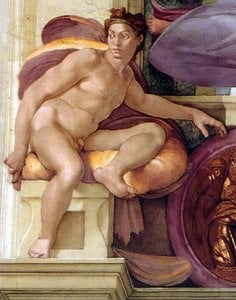
Michelangelo Morlaiter’s contribution to Venetian art extends far beyond individual masterpieces. Morlaiter gained renown for his monumental sculptures, notably ‘Ignudo,’ a stunning nude study reflecting the influence of Michelangelo Buonarroti and embodying the humanist spirit of the Renaissance. He drew inspiration from Michelangelo Buonarroti’s sculptural achievements—particularly his David—and embraced the stylistic conventions of Venetian Rococo art, prioritizing decorative splendor and emotional expression alongside technical virtuosity.
36of 36
Italian Born in Chivasso Renaissance Art; Late Gothic Style Wikipedia in 8/32 languages

His achievements can be summarized through several key pillars of his artistry: Stylistic Synthesis: The seamless blending of Northern European Flemish detail with Italian Renaissance humanism.
The paintings behind the names
Through time
In figures
| إيطاليا | 27 |
|---|---|
| Italy | 7 |
| كرواتيا | 1 |
| 1440s | 3 |
|---|---|
| 1450s | 3 |
| 1460s | 3 |
| 1470s | 6 |
| 1480s | 15 |
| 1490s | 3 |
| 1500s | 1 |
| 1510s | 1 |
| معرض أوفيزي | 6 |
|---|---|
| متحف الفنون التاريخية | 6 |
| متحف اللوفر | 4 |
| المعرض الوطني | 4 |
| متحف المتروبوليتان للفنون | 4 |
| المعرض الوطني للفنون | 3 |
| Gemäldegalerie | 3 |
| Royal Collection | 3 |
All of them, in order
ليوناردو دا فينشيإيطالي · 1452–1519ميكيلانجيلوإيطالي · 1475–1564 رفائيلإيطالي · 1483–1520تيتيانإيطالي · 1490–1576
 جورجوني1478–1510بيترو بيروجينوإيطالي · 1448–1523أنطونيو دا كوريدجوإيطالي · 1489–1534أندريا ديل سارتوإيطالي · 1486–1530
 فلبينو ليبي1457–1504
 لورينزو لوتو1480–1556سيبستيانو ديل بيوميوإيطالي · 1485–1547
 بالما فيكيوإيطالي · 1480–1528دوناتو برامانتيإيطالي · 1444–1514
 فرا بارتولوميو1472–1517ياكوبو باسانوفينيسي (من البندقية) · 1510–1592
 بيرناردينو لويـني1480–1532لورينزو كوستاعصر النهضة الإيطالي · 1460–1535بالداساري بيروزيإيطالي · 1481–1536ميكيلي دي ريدولفو ديل غيرلاندايو1483–1561جيوفاني جيرولامو سافولدوإيطالي · 1480–1548
 دوسو دوسيإيطالي · 1480–1542ماريوتو ألبرتينيلليإيطالي · 1474–1515جيوفاني أنطونيو بولترافيوألماني · 1467–1516أندريا سولاريوعصر النهضة الإيطالي · 1460–1524جيرولامو رومانينوItalian · 1485–1562Sebastiano SerlioItalian · 1475–1554Giuliano da SangalloItalian · 1443–1516فرانكيابيجيوإيطالي · 1484–1525Bartolomeo VenetoItalian · 1502–1555جوليانو بوجياردينيItalian · 1475–1554جوليو كلوفيوكرواتي-إيطالي · 1498–1578Antonio Da Sangallo The YoungerGerman · 1484–1546Lo SpagnaSpanish · 1450–1528Bernardino LicinioItalian · 1489–1565Michelangelo MorlaiterItalian · Defendente FerrariItalian · 1490–1540
Your questions, answered
First place goes to ليوناردو دا فينشي (#1); ميكيلانجيلو (#2) and رفائيل (#3) complete the podium.
ليوناردو دا فينشي (#1), ميكيلانجيلو (#2), رفائيل (#3), تيتيان (#4) و جورجوني (#5).
إيطاليا: 27 of the 36 رسامون in this list were born there, then Italy (7) و كرواتيا (1).
The museums holding the most key works of this list are معرض أوفيزي (6), متحف الفنون التاريخية (6) و متحف اللوفر (4).
The highest-ranked رسامون born in Italy are Sebastiano Serlio (#26), Giuliano da Sangallo (#27), Bartolomeo Veneto (#29), Antonio Da Sangallo The Younger (#32) و Lo Spagna (#33).
بيترو بيروجينو (#6) taught Lo Spagna (#33).
The highest-ranked رسامون born in إيطاليا are ليوناردو دا فينشي (#1), ميكيلانجيلو (#2), رفائيل (#3), تيتيان (#4) و جورجوني (#5).
Most رسامون in this list were born in the 1480s (15 of 36), between 1443 and 1510 overall.
فلورنسا: 5 of the رسامون in this list were born there.
The earliest-born رسام in this list is Giuliano da Sangallo (#27), born in 1443.
Our catalogue holds 5,647 works by these رسامون. Each one can be ordered as a hand-painted oil reproduction or a print.
Keep reading
Other movements
 فنانون مشهورون من Baroqueالحارس الليلي · رامبرانت
 فنانون مشهورون من Contemporary Realistالجامعات · جان فرانسوا ميليه
 فنانون مشهورون من Impressionistليلة مرصعة بالنجوم (نيويورك، متحف الفن الحديث) · فنسنت فان خوخ
 فنانون مشهورون من Romanticistزحل وهو يلتهم ابنه · فرانثيسكو غويا
 فنانون مشهورون من NeoclassicistThe Death of Marat · جاك لوي دافيد
 فنانون مشهورون من Realistأصل العالم · غوستاف كوربيهفنانون مشهورون من Renaissance
 فنانون مشهورون من Dutch Golden Ageالفتاة ذات القرط المنصوع من اللؤلؤ · يوهانس فيرمير
 فنانون مشهورون من Expressionistتكوين السابع · فاسيلي كاندينسكي
 فنانون مشهورون من Rococoجين-أنتوان واتو
1717
الإنزال إلى سيثيرا: تحفة من أناقة الروكوكو
"الإنزال إلى سيثيرا" لجين-أنتوان واتو مثال نموذجي على أسلوب الروكوكو، حيث يلتقط روح المرح والرومانسية في القرن الثامن عشر الفرنسي. تدعو هذه اللوحة الساحرة، التي تم إنشاؤها عام 1717، المشاه · أنطوان واتو
Other periods
 فنانون مشهورون من Early MedievalSnowy River · وانج وي
 فنانون مشهورون من High Medievalالعذراء في العظمة (عذراء أوني سانتيني) · جوتو دي بوندوني
 فنانون مشهورون من Late Medievalالبشارة والقديسان · سيمون مارتينيفنانون مشهورون من Renaissance
 فنانون مشهورون من Early Modernنداء القديس متى · كارافاجيو
 فنانون مشهورون من 19th Centuryالزنابق المائية (أو النيمفيا) · كلود مونيه
 فنانون مشهورون من Modernغرنيكا · بابلو بيكاسو
 فنانون مشهورون من ContemporaryWind Sculpture III (one in a series of nine) · Yinka Shonibare
More rankings