
1
Danaë
نسخة زيتية مرسومة يدوياً لـ $224 39 × 26 cm
بنفس حجم العمل الأصلي $888 173 × 122 cm اطلب بالمقاس الأصلي →

اللوحة التي جعلت Timothy Collopy مشهوراً هي Danaë (1772)؛ وهي معروضة في Saltram House، بليموث. من بين 2 من أعمال Timothy Collopy في كتالوجنا، تُعد هذه 2 الأعمال هي الأكثر إعجاباً، حيث نُقدم كل واحدة منها مع تاريخها، والمتحف الذي تضمّه، وما يميزها.
تُصنف الأعمال بناءً على مؤشر شعبيتنا، الذي يجمع بين عمليات البحث والزيارات والطلبات لكل عمل فني. تم التحديث في نوفمبر 2026. يمكن طلب كل لوحة فنية في هذه الصفحة كنسخة زيتية مرسومة يدوياً بجودة المتاحف، أو كمطبوعة فنية فاخرة، وذلك بالمقاس الذي تختارونه.


المتاحف 2 التي تضم أكبر عدد من اللوحات الموجودة في هذه الصفحة.
| المتاحف | المدينة | أعمال Timothy Collopy | لوحات من هذه القائمة |
|---|---|---|---|
 Saltram House |
بليموث | 1 | Danaë |
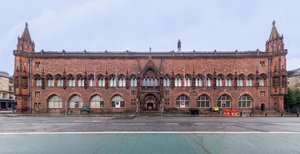 Scottish National Portrait Gallery |
إدنبرة | 1 | Wellbore Ellis, 1st Baron Mendip, 1713 - 1802. Statesman |
كل تحفة فنية مؤرخة لـ Timothy Collopy في هذه الصفحة تعود لعام 1772: إليكم القائمة.

Danaë (1772)
تتضمن قائمة أعمالنا 2 من أعمال Timothy Collopy.
معظمها موجود في Saltram House (بليموث) و Scottish National Portrait Gallery (إدنبرة). وتدرج القائمة أعلاه المتاحف واحداً تلو الآخر.
نعم. يمكن طلب كل لوحة في هذه الصفحة كنسخة زيتية مرسومة يدوياً بجودة المتاحف أو كمطبوعة فنية فاخرة، بالمقاس الذي تختاره، وذلك من صفحة اللوحة نفسها.
In the quiet streets of Limerick, a young man once labored through the heavy, repetitive tasks of a baker's apprentice. This was the humble beginning of Timothy Collopy, a life that seemed destined for the oven's heat rather than the artist's studio. Yet, a keen eye for sketching caught the attention of Father Walsh, an Augustinian friar who saw a spark of something different in the young man's hands. Through the generosity of a fund raised by the merchants of Limerick, the apprentice was released from his manual toil and sent across the sea to study the masters in Rome and Naples.
This continental education transformed his approach to the canvas. During his years in Italy, he learned the secrets of precise facial modeling and the subtle use of shading to define the human form. He returned to Ireland not as a laborer, but as a painter capable of capturing the dignity of his countrymen. He established himself in Dublin, working from Grafton Street and sending his portraits to the exhibitions of the Society of Artists, where his refined compositions began to find an audience among the Irish elite.
Collopy's career was defined by the faces of those who held influence in Irish and British society. He moved between the religious fervor of the church and the formal requirements of the nobility, proving himself a versatile hand. His work often sought to bridge the gap between classical training and the specific character of his subjects, using understated backgrounds to keep the focus on the individual's status and spirit.
His professional life was marked by several notable engagements and subjects:
Seeking a broader stage for his talents, Collopy eventually moved to London. While he did not achieve the immense fame some might have expected, he remained a steady presence in the city's artistic circles until his death. He was a man who understood the practicalities of his craft; his own will even contained specific instructions on how to clean his paintings, suggesting a deep, technical respect for the medium he had spent his life mastering. He died in London, leaving behind a legacy of portraits that documented the faces of an era, from the clergy to the aristocracy.