
1
Nicolai Frederik Reichwein
نسخة زيتية مرسومة يدوياً لـ $199 28 × 35 cm
بنفس حجم العمل الأصلي $330 63 × 78 cm اطلب بالمقاس الأصلي →

تُعد Nicolai Frederik Reichwein (1734) اللوحة الأكثر شهرة للفنان Peter Wichmann. تُعد Juliane Marie, Frederik V's anden dronning (1745) وChristopher Friderich Ingenhaeff (1752) من أكثر العملين الفنيين شهرة في العالم. من بين 5 من أعمال Peter Wichmann في كتالوجنا، إليكم 5 من الأعمال الأكثر مشاهدة من قبل المقتنين وزوار المتاحف، مع ذكر سنة الإنتاج، والمتحف، وقصة كل منها.
تُصنف الأعمال بناءً على مؤشر شعبيتنا، الذي يجمع بين عمليات البحث والزيارات والطلبات لكل عمل فني. تم التحديث في نوفمبر 2026. يمكن طلب كل لوحة فنية في هذه الصفحة كنسخة زيتية مرسومة يدوياً بجودة المتاحف، أو كمطبوعة فنية فاخرة، وذلك بالمقاس الذي تختارونه.


المتاحف 1 التي تضم أكبر عدد من اللوحات الموجودة في هذه الصفحة.
| المتاحف | المدينة | أعمال Peter Wichmann | لوحات من هذه القائمة |
|---|---|---|---|
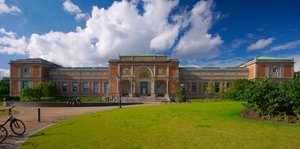 Statens Museum For Kunst |
كوبنهاغن | 1 | Juliane Marie, Frederik V's anden dronning |


Nicolai Frederik Reichwein (1734). يليهما Juliane Marie, Frederik V's anden dronning (1745) وChristopher Friderich Ingenhaeff (1752).
عمر 28 عاماً: يعود تاريخ Nicolai Frederik Reichwein إلى عام 1734، وقد وُلد Peter Wichmann في 1706.
تضم قائمتنا 5 من أعمال Peter Wichmann، التي يعود تاريخها من 1734 إلى 1759.
معظمها موجود في Statens Museum For Kunst (كوبنهاغن). وتدرج القائمة أعلاه المتاحف واحداً تلو الآخر.
في 1750s: 3 من أصل 5 من الأعمال في هذه الصفحة تعود إلى ذلك التاريخ، من بينها Christopher Friderich Ingenhaeff.
أقدم لوحة في هذه الصفحة هي من عام Nicolai Frederik Reichwein (1734)، وأحدثها من عام Gudlov Mølmann (1759).
نعم. يمكن طلب كل لوحة في هذه الصفحة كنسخة زيتية مرسومة يدوياً بجودة المتاحف أو كمطبوعة فنية فاخرة، بالمقاس الذي تختاره، وذلك من صفحة اللوحة نفسها.
In the golden era of Danish portraiture, few names resonate with the quiet dignity and technical mastery of Peter Wichmann. Born in Copenhagen in 1706, Wichmann was a child of artistic lineage, the son of Sara Jensdatter Foght and Nicolai Wichmann, a man who had already secured his place in history as a court painter to Queen Louise. Growing up within the vibrant, creative atmosphere of a household dedicated to the fine arts, Peter was destined for a life defined by the brush and the canvas. His early years were steeped in the traditions of his father’s craft, yet he possessed an individual spark that would eventually lead him far beyond the borders of his native Denmark.
The year 1730 marked a pivotal turning point in Wichmann's burgeoning career. With a royal passport in hand, he embarked on a transformative journey across Europe to refine his skills and absorb the evolving aesthetics of the continent. This period of travel was not merely an educational excursion but a profound immersion into the diverse artistic currents of the eighteenth century. By wandering through the great art centers of Europe, Wichmann integrated foreign influences with his Danish roots, developing a sophisticated style that blended classical precision with a burgeoning sense of character and life.
Upon his return to Copenhagen, Wichmann established himself as a premier specialist in portraiture. His work is characterized by an exquisite ability to capture not only the physical likeness of his subjects but also their inner essence and social standing. To look upon a Wichmann portrait is to witness a delicate dance of light and shadow, where every fold of silk, every glint of jewelry, and every subtle expression is rendered with meticulous care. He possessed a rare talent for conveying the dignity of the aristocracy while maintaining a sense of human warmth that prevented his subjects from appearing as mere statues.
His technical prowess was deeply rooted in the traditions of his upbringing, yet he moved with the grace of an artist who understood the changing tides of taste. His compositions often utilized a refined palette, employing soft tones and smooth transitions that lent a luminous quality to the skin of his sitters. This mastery of texture and light allowed him to create works that felt both timeless and immediate, capturing a specific moment in the lives of the Danish elite with an enduring elegance.
Though his life came to an end in Copenhagen in 1769, the impact of Peter Wichmann’s artistry continues to be felt within the annals of Northern European art history. He stands as a vital link in the chain of Danish painters, representing a period of significant cultural growth and international connection. His ability to bridge the gap between local tradition and broader European movements helped elevate the standard of portraiture in his homeland.
Today, the works of Wichmann serve as precious windows into the social fabric of the mid-eighteenth century. Through his eyes, we glimpse the fashions, the poise, and the profound sense of identity held by those who lived during his era. His legacy is preserved not just in museums, but in the very way we perceive the history of Danish portraiture—as a period defined by grace, technical brilliance, and an unwavering commitment to the art of capturing the human spirit.