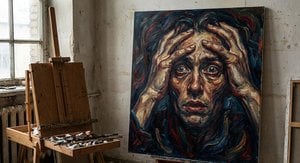
Jan Cybis: Bridging Expressionism and Polish Landscape
Jan Cybis (16 February 1897 – 13 December 1972) stands as a pivotal figure in Polish art history, embodying the spirit of Expressionist influence tempered by a profound connection to the landscapes of his homeland. Born in Frebel, Poland, he embarked on an artistic journey shaped by mentorship from Otto Mueller and Józef Pankiewicz, ultimately establishing himself in Kraków where he honed his craft at the Jan Matejko Academy of Fine Arts. His distinctive style—characterized by vibrant color palettes reminiscent of French Impressionism—became synonymous with the Kapist movement, a collective of Polish painters who championed bold artistic vision during the turbulent years leading up to World War II.
- Early Influences & Training: Cybis’s formative years were marked by exposure to Mueller's Expressionist teachings, fostering an understanding of emotional intensity and distortion as tools for conveying subjective experience. Pankiewicz further broadened his artistic horizons, introducing him to the principles of Post-Impressionism and solidifying his stylistic preferences.
- The Kapist Movement & Artistic Collaboration: Cybis’s involvement in the Kapist movement solidified his reputation as a trailblazer. Alongside fellow artists like Tadeusz Dominik, he actively participated in debates about artistic direction and championed innovative approaches to painting. Notably, his wife Hanna Rudzka-Cybisowa was herself a respected painter and Kapist collaborator, creating a dynamic artistic environment that nurtured experimentation and creativity.
- Notable Works & Style: Cybis’s oeuvre is distinguished by landscapes imbued with palpable emotion—most notably “Mount Calvary,” which exemplifies his masterful use of color and textural layering to capture the grandeur and solemnity of biblical scenes. His paintings frequently explore themes of spirituality, memory, and the relationship between humanity and nature.
- Recognition & Legacy: Cybis’s artistic achievements garnered considerable acclaim during his lifetime, culminating in awards from the Polish Communist government recognizing his contribution to cultural heritage. Despite facing limitations during the Socialist Realist era due to ideological concerns regarding teaching positions, he continued to inspire generations of students and artists.
- Later Life & Remembrance: Cybis’s memoirs published in 1980 offer invaluable insight into his artistic philosophy and personal experiences. He passed away peacefully at Powązki Military Cemetery in Warsaw, leaving behind a legacy as one of Poland's most influential Expressionist painters and a champion of Polish landscape art.
Further Exploration
To delve deeper into Cybis’s artistic world, consider visiting the Memling Museum – Sint Jans Hospital in Bruges to admire Hans Memling’s stunning paintings and experience the rich cultural heritage of Belgium. Alternatively, explore Jan Dobkowski's captivating abstract expressionist paintings—bold colors and philosophical space themes by Polish artist known for ‘Beyond Infinity VIII’. Don’t miss Jan Gossaert (Mabuse): Pioneering Renaissance Style & the Birth of Netherlandish Antiquity – discovering his Romanist style, stunning portraits, and influence on Northern European art history. Also, explore Jan Steen: A Master of Dutch Genre Painting & the Golden Age—capturing humorous genre scenes and insightful social commentary. Finally, immerse yourself in Jan Brueghel the Elder’s captivating Flemish landscapes—exploring innovation and influence alongside Rubens's collaborative spirit.