Jacques Hérold: A Pioneer of Lyrical Abstraction
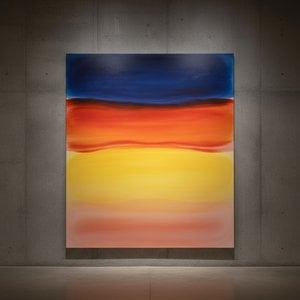
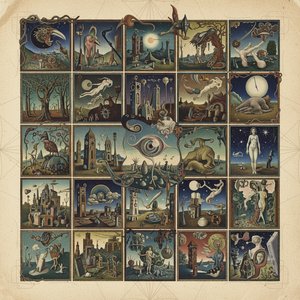
Jacques Hérold (1910 – 1987) stands as a singular figure in the late surrealist landscape, recognized for his profound exploration of abstraction and his enduring connection to Constantin Brâncuși. Born in Piatra Neamt, Romania, amidst a Jewish family steeped in tradition, Hérold’s formative years were shaped by the vibrant cultural milieu of Galați, a port city pulsating with artistic energy. His academic pursuits began at Bucharest's School of Fine Arts in 1925, providing him with foundational skills before he embarked on his Parisian journey in 1930, adopting the name Jacques Hérold and immersing himself in the burgeoning avant-garde movement. His affiliation with André Breton’s Surrealist Group proved pivotal, fostering collaborations that propelled him to the forefront of artistic experimentation. The group's ethos—embracing dreamlike imagery and subconscious impulses—directly influenced Hérold’s artistic vision. Notably, his friendship with Brâncuși exerted a considerable impact; Brâncuși’s sculptural explorations of form and materiality served as an inspiration for Hérold’s own stylistic endeavors. His debut solo exhibition in 1947 solidified his position within the surrealist canon, showcasing works that demonstrated a burgeoning interest in expressive abstraction. Following 1951, Hérold transitioned towards lyrical abstraction and tachisme—techniques characterized by spontaneous brushstrokes and textural surfaces—marking a significant evolution in his artistic practice. This stylistic shift reflected a broader trend within European art during the period, prioritizing emotional resonance over representational accuracy. He achieved considerable acclaim through commissions for book covers and illustrations, demonstrating versatility beyond purely sculptural pursuits. In 1958, he received the prestigious Copley Foundation Prize, recognizing his contribution to artistic innovation. Hérold’s presence at the Venice Biennale in 1986 served as a poignant reminder of his enduring legacy, just one year before his passing. His final artworks continued to grapple with themes of memory and materiality, embodying the spirit of his lifelong commitment to exploring the expressive potential of pigment and gesture. Jacques Hérold's work remains an invaluable testament to the transformative power of surrealism and its lasting influence on abstract art history.- Notable Works: “Rimbaud’s Tie,” “Composition,” “Flowers”
- Influences: Constantin Brâncuși, Surrealist Movement
- Technique: Lyrical Abstraction, Tachisme
- Awards: Copley Foundation Prize