early life and struggle for the throne
crown prince korkut, also known as şehzade cem, was a claimant to the ottoman throne in the 15th century. born in 1459, he was the third son of sultan mehmed ii and younger half-brother of sultan bayezid ii, making him a half-uncle of sultan selim i of the ottoman empire.the struggle for power
after being defeated by his brother bayezid, cem went into exile in egypt and europe, seeking protection from the mamluks, the knights hospitaller of st. john on the island of rhodes, and ultimately the pope. this period marked a significant turning point in ottoman history, with cem sultan offering to share the country with his brother, only to be denied.artistic legacy
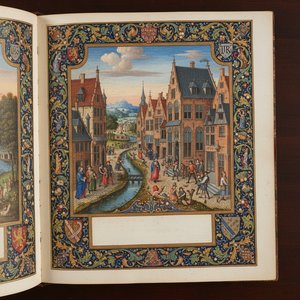
despite his tumultuous life, crown prince korkut's legacy extends beyond politics. his artistic endeavors are showcased in various pieces, including:- koran (15 x 24 cm), a painting on paper, currently housed at the sakıp sabancı museum (istanbul, türkiye), available for viewing on WahooArt.com.
- other notable works by crown prince korkut can be found in the WahooArt collection, offering a glimpse into the artistic side of this ottoman prince.
historical significance and available resources
for further reading on crown prince korkut and his place in ottoman history, refer to: concluding thoughts: the life of crown prince korkut serves as a fascinating example of the intricate dynamics within the ottoman empire, marked by both political strife and artistic expression. through WahooArt, one can delve into the world of this enigmatic figure and explore his contributions to the realm of art.الأسئلة والأجوبة
أين ومتى وُلد الأمير كوركوت؟
وُلد الأمير كوركوت في إسطنبول عام 1459.
كيف يمكنني العثور على أعمال الأمير كوركوت ضمن موضوع معين؟
يمكن استكشاف أعمال الأمير كوركوت عبر الكلمات المفتاحية في صفحة حسب الكلمات المفتاحية الخاصة بالفنان، حيث تجمع كل كلمة مفتاحية الأعمال الفنية ذات الصلة.
كيف يمكنني استعراض كافة الأعمال الفنية للفنان الأمير كوركوت؟
يمكن تصفح جميع أعمال الأمير كوركوت على هذا الموقع عبر صفحة كافة الأعمال الفنية الخاصة بالفنان.