إن العمل الفني المعروض في هذه الصفحة محمي بموجب قوانين حقوق الطبع والنشر، مما يعني أنه لا يحق لنا قانوناً إنشاء أو بيع نسخ مطابقة له. وتُطبق هذه الحماية بموجب الاتفاقيات الدولية مثل الـ اتفاقية برن ووفقاً للقوانين الوطنية، بما في ذلك تلك المنصوص عليها في قانون حقوق الطبع والنشر في الولايات المتحدة - الباب 17.
تتوافق هذه الطريقة تماماً مع لوائح حقوق النشر لأنها لا تتضمن نسخ أو تكرار العمل الفني المحمي، بل هي إعادة تفسير إبداعية؛ أي أنها لوحة جديدة مستوحاة من الأصل ولكنها ليست مطابقة له.
طباعة جيكلي أو كانفاس بجودة المتاحف، مع سرعة في التنفيذ وخيارات متنوعة للتشطيب. ( شراء لوحة مرسومة يدويًا الانتقال إلى الصورة الرقمية)





























اختر من بين أحجامنا المُعدّة مسبقاً والتي تتوافق مع النسب الأصلية للعمل الفني.

أدخل العرض والارتفاع المطلوبين ليتناسب المقاس مع إطارك أو جدارك. يرجى الملاحظة أن المطبوعة يمكن قصها فقط ولا يمكن تكبيرها لتتجاوز أبعاد الصورة الأصلية، لذا فإن اختيار مقاس بأبعاد مختلفة سيؤدي إلى فقدان جزء من الصورة. سنرسل لك نموذجاً رقمياً تجريبياً لاعتماده قبل البدء في عملية الطباعة. الصورة المعروضة في هذه الصفحة لا توضح شكل القص الفعلي — النموذج التجريبي فقط هو ما يظهر ذلك بدقة.
توصيل عالمي إلى خلال أسبوعين بدلاً من المدة القياسية البالغة 4/5 أسابيع. (10 نوفمبر)
China China
مقاس النسخة المطبوعة
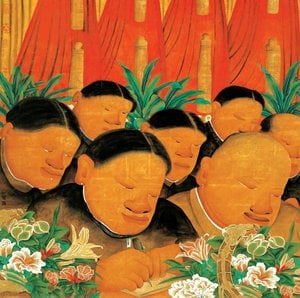
To stand before a work by Zhu Wei is to encounter not merely a painted likeness, but a carefully curated moment in the vast, churning narrative of contemporary China. This piece, capturing a man radiating an almost palpable warmth from beneath a striking red jacket, immediately draws the viewer into its orbit. The subject’s smile, directed outward as if acknowledging your very presence across the museum expanse, is both inviting and deeply guarded. It suggests a complexity—a public persona layered over private depths—that has become a hallmark of modern Chinese portraiture. Zhu Wei, whose career spans the seismic shifts of post-Tiananmen art, uses this seemingly straightforward figure to engage in a subtle, yet profound, dialogue with history and identity.
Technically, the painting showcases a remarkable dexterity. While the subject matter feels immediate and contemporary, the underlying execution hints at deep roots in Chinese artistic tradition. Zhu Wei’s background, steeped in both formal academy training and the sometimes rigid structures of state-sanctioned art, allows him to navigate these currents with an almost effortless grace. The rendering of the white collar against the vibrant red jacket is a study in contrasts—the crisp formality meeting the passionate hue. It is this tension between polished technique and underlying critical spirit that elevates the work beyond mere portraiture; it becomes a cultural artifact itself.
The choice of color, particularly that commanding red, cannot be overstated. In Chinese culture, red symbolizes joy, celebration, good fortune, and vitality. Yet, when paired with the subject's knowing expression, it takes on a more nuanced meaning—perhaps resilience, or even defiance cloaked in gaiety. The man himself, positioned so centrally within this large format (63 x 90 cm), becomes an emblem of the modern Chinese experience: outwardly vibrant and engaging, yet carrying the weight of untold stories beneath that seemingly effortless smile. It invites contemplation on what it means to present oneself to the world while navigating profound societal change.
For the collector or designer seeking a piece with genuine narrative weight, this reproduction offers an unparalleled opportunity. Owning such a work is not simply adorning a wall; it is curating a conversation. It speaks of history, of artistic endurance, and of the enduring human capacity for complex emotion. The energy emanating from the canvas—that bright, engaging smile—has the power to revitalize any space, injecting it with an intellectual spark and a touch of vibrant, sophisticated mystery that only truly great contemporary art can provide.
يبلغ مستوى التباين في "China China" للفنان تشو وي درجة Bold.
استخدم تشو وي تقنية Painting في عمل "China China"، وهي التقنية التي تحدد الطبيعة المادية للعمل الأصلي.
تجسد لوحة "China China" الروابط بين حركة Contemporary Chinese Art والصين من خلال مسقط رأس مبدعها.

ولد تشو وي في بكين، الصين، عام 1966، ليصبح أحد أبرز الفنانين الصينيين المعاصرين الذين نالوا شهرة واسعة بفضل اشتباكهم النقدي الهادئ مع السياسة والمجتمع ضمن المشهد المتطور بسرعة في الصين الحديثة. ويبرز كأحد أكثر الممارسين وضوحاً لفن عصر ما بعد تيانانمن، حيث يظهر وفاءً مذهلاً للرسم الصيني التقليدي، بينما يقدم في الوقت ذاته تعليقاً دقيقاً وملامساً لسياقه التاريخي.
يحتل تشو وي مكانة حاسمة داخل الفن الصيني المعاصر. وبصفته فناناً برز في أعقاب أحداث ساحة تيانانمن، فإن عمله يعكس تفاوضاً معقداً بين التقليد والحداثة، وبين سيطرة الدولة والتعبير الفردي. إن نقده الضمني للهياكل السياسية والاجتماعية، والذي يتم تقديمه من خلال عدسة الرسم الصيني الكلاسيكي، يقدم منظوراً فريداً للتحول السريع الذي تشهده الصين. إنه يثبت أن الأشكال الفنية التقليدية يمكن تطويعها بقوة لمعالجة القضايا المعاصرة، مما يرسخ إرثه كصوت حيوي في الخطاب الفني العالمي.

1966 - , الصين
Embark on a profound journey through the soul of Chinese calligraphy. Explore the historical mastery of ink, brush, and script, from ancient Zhuanshu to elegant running script, and discover how this timeless art form reflects the enduring spirit of classical East Asian aesthetics.

Elevate your design projects with WahooArt's premium canvas prints and hand-painted reproductions. From Giclée excellence to bespoke oil commissions, we provide professional decorators with museum-quality, affordable art solutions delivered worldwide with a 100% satisfaction guarantee.
 معاينة الحجم الواقعي
 مشاركة
 مشاركة
 التفاصيل
 دليل
دليل

 تحميل الملف
 قطع مشابهة
 الأشعة السينية
 عرض شرائح
 الأسئلة والأجوبة
 الإحصائيات


 عرض المزيد









 خيار الزجاج متاح فقط للمقاسات التي تقل عن 110 سم