

احصل على ملف جاهز للطباعة يتجاوز بمراحل جودة المعاينة عبر الإنترنت؛ فكل صورة رقمية نبيعها مستمدة من نسخة أصلية عالية الدقة في قاعدة بياناتنا — يتراوح عرضها عادةً بين 5,000 إلى 15,000 بكسل — مما يتيح لك الطباعة بأحجام كبيرة، أو الاقتصاص بدقة، أو إعادة إنتاج التفاصيل الدقيقة بكل ثقة.
لا تخرج أي صورة من استوديو الخاص بنا دون أن تمر بعملية معالجة دقيقة؛ حيث يقوم خبير رقمي بمطابقة الألوان مع اللوحة الأصلية وتصحيحها عند الضرورة، ثم يعمل على تحسين الوضوح والتفاصيل باستخدام أدوات ترميم احترافية — مع الحفاظ دائماً على أمانة نقل ضربات فرشاة الفنان وأسلوبه. والنتيجة هي صورة تبدو كأنها اللوحة ذاتها، وليست مجرد مسح ضوئي خاضع للفلاتر.
تتم عملية الاعتماد قبل الإتمام النهائي: حيث يرسل خبيرنا الصورة عبر البريد الإلكتروني في غضون 72 ساعة لمراجعتها من قبلك. هل لم تنل النتيجة إعجابك؟ يمكنك طلب تحسينات أو تصحيحات، أو طلب استرداد الأموال إذا لم تكن الجودة بالمستوى المطلوب.
هذه هي الجودة التي يعتمد عليها الناشرون، واستوديوهات التصميم، والمعارض، والمطابع.
حمّل ملفاً عالي الدقة للعرض الشخصي، والطباعة، والمشاريع الإبداعية. ( التبديل إلى نسخة مطبوعة شراء لوحة مرسومة يدويًا)
عندما تختار WahooArt.com، فأنت لا تحصل على مجرد صورة فحسب، بل ستحصل على عمل فني رقمي مُحسّن باحترافية، صُمم بدقة متناهية ومصحوب بضمان الرضا. إليك كل ما يتضمنه طلبك تلقائياً:
ستصلك ملفات صورك الرقمية عالية الدقة عبر البريد الإلكتروني في غضون 72 ساعة من إتمام الطلب - لتكون جاهزة للاستخدام الفوري.
يتم تحسين عملك الفني باحترافية باستخدام أدوات الذكاء الاصطناعي المتقدمة والتحرير اليدوي، لضمان أقصى درجات التفاصيل والوضوح ودقة الألوان.
هل حذفت ملفك أو فقدته عن طريق الخطأ؟ لا تقلق - سنعيد إرساله إليك في أي وقت، مجاناً.
استمتع بأعمالك الفنية فوراً دون أي رسوم جمركية أو ضرائب أو مصاريف شحن - فالتحميلات الرقمية دائماً ما تكون معفاة من الضرائب.
نضمن لك دقة انعكاس الألوان الأصلية في صورتك الرقمية بأقصى قدر ممكن، وذلك باستخدام أدوات احترافية وتقنيات متطورة لإدارة الألوان.
إذا لم تكن راضياً عن صورتك الرقمية، فسنقوم بتعديلها أو استرداد 100% من قيمتها خلال 100 يوم - دون طرح أي أسئلة.
لم تكن راضياً؟ استرد كامل المبلغ خلال 100 يوم من استلام ملفك الرقمي - دون طرح أي أسئلة.
اشتري 3 صور، ووفر 10% - اشتري 5، ووفر 15% - اشتري +10، ووفر 20%. مثالية للمشاريع الإبداعية، والمعارض، والوكالات.

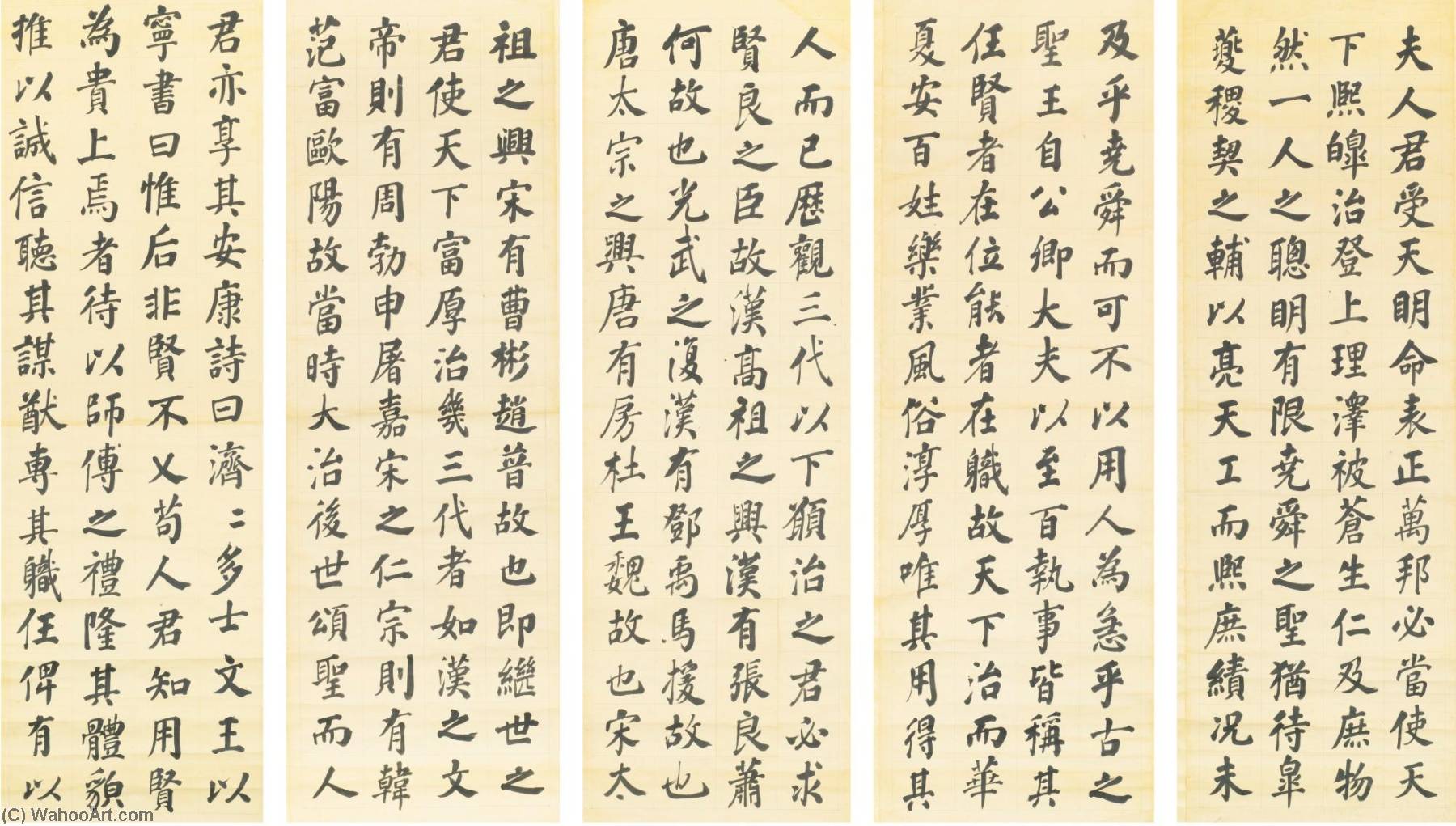
The world of 17th-century Chinese art is rich with figures who shaped its trajectory, and among them stands Zhang Zhao (1691–1745), a calligrapher whose elegant running script – known as *jiejing* – continues to captivate viewers today. More than just a skilled practitioner of brush and ink, Zhang Zhao was a product of his time, deeply influenced by the philosophical currents of the Qing Dynasty and the artistic legacy of Dong Qichang, a pivotal figure in establishing aesthetic standards for Chinese art.
Born in Xu Province during a period of immense political upheaval, Zhang Zhao’s early life instilled within him a profound sense of discipline and an appreciation for scholarship. He initially pursued a career as a civil servant but quickly gravitated towards the refined world of calligraphy, recognizing its power to convey both intellectual depth and aesthetic beauty. His training likely involved studying the works of earlier masters, absorbing their techniques and developing his own distinctive style – one characterized by fluidity, balance, and an almost meditative quality.
Zhang Zhao’s artistic development was inextricably linked to that of Dong Qichang (1579–1645), a renowned scholar-official and art critic who profoundly shaped the aesthetic landscape of the Qing Dynasty. Dong Qichang championed the concept of *wuhu*, or “five aesthetics”—poetry, music, painting, calligraphy, and ritual—as essential components of a cultivated individual’s life. He advocated for a return to classical forms and values, emphasizing simplicity, sincerity, and a deep connection with nature.
Zhang Zhao was deeply influenced by Dong Qichang's ideas, particularly his emphasis on *jiejing* as a form of refined expression. Dong Qichang’s writings on calligraphy stressed the importance of achieving a state of “naturalness” – a sense of effortless grace and spontaneity – in one’s brushwork. Zhang Zhao embraced this philosophy, striving to capture the essence of his subjects through subtle variations in line weight, pressure, and speed.
Zhang Zhao's career unfolded within the complex political landscape of the Qing Dynasty. He secured a *jinshi* (successful candidate) position in 1709, demonstrating his intellectual prowess and earning him a place within the imperial bureaucracy. He rose through the ranks, eventually becoming Secretary of the Ministry of Justice in 1733. However, his career was not without its challenges; he narrowly avoided execution after failing to manage aboriginal territories in Guizhou, highlighting the precariousness of life for officials during this turbulent period.
Despite these setbacks, Zhang Zhao continued to produce significant works of calligraphy and poetry. He collaborated with other prominent scholars on important literary projects, including the *Lülü Zhengyi* and its sequel, *Houbian*, which served as standard treatises on music theory. Notably, he was also recognized by the Yongzheng Emperor for his exceptional skill, receiving a commendation for a poem written with his left hand after an accident had impaired his right arm – a testament to his resilience and artistic dedication.
Zhang Zhao’s *jiejing* is characterized by its elegant fluidity and subtle variations in line weight. His works often exhibit a sense of quiet contemplation, reflecting the philosophical ideals championed by Dong Qichang. He skillfully employed techniques such as *shougong* (a technique for creating a sense of depth through varying line thickness) and *yanzhuan* (a technique for creating a sense of movement through variations in brush pressure), adding layers of complexity and nuance to his compositions.
While Zhang Zhao’s name may not be as widely recognized as some of his contemporaries, his contributions to the development of running script are undeniable. His works represent a significant example of Qing Dynasty calligraphy, embodying both technical mastery and philosophical depth. Today, his paintings and scrolls continue to be admired for their beauty, elegance, and enduring legacy – a testament to the skill and vision of this remarkable artist.

1691 - 1745
 معاينة الحجم الواقعي
 مشاركة
 مشاركة
 التفاصيل
 دليل
دليل

 تحميل الملف
 قطع مشابهة
 الأشعة السينية
 عرض شرائح
 الأسئلة والأجوبة
 الإحصائيات
 عرض المزيد


