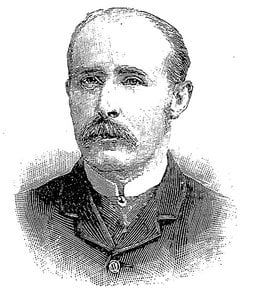
A Life Painted Across Empires: The World of William Melville
William Melville, a name perhaps less celebrated than some of his contemporaries, nonetheless occupies a fascinating and important niche in 19th-century art history. His canvases offer a compelling visual record of a world undergoing dramatic transformation – the height of British imperial power, specifically its presence in India, and the social fabric of Britain itself. While biographical details remain somewhat elusive, the body of his work speaks volumes about a life deeply immersed in military affairs, landscape painting, and the burgeoning Orientalist movement. Melville wasn’t simply *recording* scenes; he was interpreting them, shaping perceptions, and contributing to a visual narrative that defined an era. His paintings are not just historical documents but windows into the complex relationship between colonizer and colonized, power and representation.
Early Life and Artistic Formation
The precise details of Melville's early life remain shrouded in some mystery. Born sometime in the 19th century (exact dates are currently unavailable), his artistic journey appears to have been inextricably linked with his connection to the British military. It’s widely believed he spent a significant portion of his career documenting scenes from India, particularly those involving the Bengal Army. This suggests either direct service within the army or close association with its officers and administration. The influence of established landscape painters is evident in Melville's work – a meticulous attention to detail, a romantic sensibility towards nature, and a mastery of light and atmosphere. He likely received formal training, though records are scarce. What *is* clear is that he developed a distinctive style characterized by a blend of topographical accuracy and narrative storytelling. His early works often depict military encampments, parades, and scenes of daily life within the army, rendered with a precision that suggests a desire to capture authenticity alongside aesthetic appeal.
The Indian Canvas: Documenting an Empire
Melville’s most significant contribution lies in his depictions of India during the period of British rule. He wasn't merely painting picturesque landscapes; he was portraying the machinery of empire – the soldiers, the infrastructure, and the social interactions that defined colonial life. His paintings frequently feature scenes from the Bengal Army, showcasing both the grandeur of military operations and the more mundane aspects of soldiering.
- Military Precision: Melville’s attention to detail in depicting uniforms, weaponry, and formations is remarkable, offering valuable insights into the appearance and organization of the British Indian Army.
- Social Context: Beyond military subjects, his work also captures glimpses of local life – villages, markets, and portraits of individuals, providing a broader context to the imperial narrative.
- Orientalist Influences: While not as overtly exoticizing as some Orientalist painters, Melville’s depictions of India are nonetheless shaped by prevailing Western perceptions of the East. His work reflects a fascination with the unfamiliar customs and landscapes of the subcontinent.
His paintings served not only as visual records but also as powerful tools for shaping public opinion back in Britain. They romanticized military life, reinforced notions of British superiority, and contributed to the justification of colonial rule. However, it’s important to note that Melville's work is not entirely devoid of nuance. Some of his scenes depict a degree of respect for local cultures and individuals, suggesting a more complex understanding than simple imperial propaganda.
Return to Britain: Landscapes and Commemorative Works
Upon returning to Britain, Melville continued to paint, shifting his focus towards landscapes and commemorative works. He captured the beauty of the British countryside with the same meticulous attention to detail he had previously devoted to India.
The St Andrew Monument, a notable example, demonstrates his ability to depict architectural landmarks with impressive accuracy and artistic flair. These later works often reflect a sense of nostalgia for both the landscapes of India and the camaraderie of military life. He also undertook commissions for portraits and historical paintings, further establishing his reputation as a skilled and versatile artist.
Legacy and Historical Significance
William Melville’s legacy lies in his ability to capture a pivotal moment in history – the height of British imperial power and its impact on both India and Britain. His paintings offer invaluable insights into the social, military, and cultural dynamics of the 19th century. While his work is not without its complexities and reflects the biases of his time, it remains an important visual record of a world undergoing dramatic transformation. He stands as a testament to the power of art to shape perceptions, document history, and contribute to the ongoing dialogue about empire, colonialism, and representation. His paintings continue to be studied by historians, art scholars, and collectors alike, ensuring that his unique perspective on this fascinating era is preserved for future generations.



 معاينة الحجم الحقيقي
 التحويل إلى المطبوعات
 مشاركة
 مشاركة
 التفاصيل

 تحميل الملف
 قطع مشابهة
 الأشعة السينية
 عرض شرائح
 الإحصائيات


 عرض المزيد