


طباعة جيكلي أو كانفاس بجودة المتاحف، مع سرعة في التنفيذ وخيارات متنوعة للتشطيب. ( اشترِ لوحة مرسومة يدويًا اشترِ الصورة)





























اختر من بين أحجامنا المُعدّة مسبقًا والتي تتطابق مع النسب الأصلية للعمل الفني.

يمكنك إدخال أبعادك الخاصة لتناسب إطاراً أو مساحة معينة. وإذا لم يتطابق الحجم الذي اخترته مع نسب الصورة الأصلية، فسنقوم إما بقص العمل الفني أو تمديد الصورة باستخدام حافة معكوسة أو بلون مصمت. سيتم إرسال نموذج تجريبي رقمي لاعتمادك قبل بدء الإنتاج.
يرجى ملاحظة أن المعاينة على الشاشة لا تعكس عملية القص أو التمديد الفعلية؛ حيث سيوضح النموذج التجريبي فقط التكوين النهائي بدقة.
وعلى الرغم من توفر أحجام مخصصة، إلا أننا نوصي باختيار أبعاد من القائمة المحددة مسبقاً للحفاظ على النسب الأصلية.
توصيل عالمي إلى خلال أسبوعين بدلاً من المدة القياسية البالغة 4/5 أسابيع. 7 سبتمبر


Lame theater
مقاس النسخة المطبوعة
William Hogarth’s “Lame Theater,” completed around 1730, stands as a cornerstone of English Rococo satire and a remarkably astute observation of the social landscape of Georgian London. More than just a depiction of an evening performance—though it vividly captures one—the print operates on multiple levels, delivering a biting critique of morality, ambition, and the pervasive hypocrisy that characterized the era.
Hogarth’s etching technique is paramount to conveying the artwork's impact. The artist employs an extensive network of fine lines to delineate facial features, clothing folds, and architectural details with remarkable accuracy. Simultaneously, thicker lines define structural elements like doorways and walls, establishing depth and creating a sense of spatial realism. This meticulous linework isn’t merely decorative; it actively contributes to the textural qualities of the print—densely hatched areas represent shadows and darker tones, while sparser regions depict illuminated surfaces.
"Lame Theater" transcends its immediate subject matter to resonate with viewers on a deeper emotional level. Hogarth’s unflinching gaze captures the moral decay of his time—a theme that continues to fascinate audiences today. Considered by many critics as one of Hogarth's finest achievements, it exemplifies the artist's commitment to portraying human nature with honesty and wit—a legacy that cemented his place as a pioneer of English satire and profoundly influenced subsequent generations of artists.
The artwork’s creation involved several crucial steps. Initially, Hogarth created a copper plate using etching tools, meticulously transferring the image onto its surface. Subsequently, ink was applied to the plate, followed by printing onto paper—a process that ensured the reproduction of the original print's tonal qualities and textural nuances.


1697 - 1764 , المملكة المتحدة

Explore the satirical world of William Hogarth, pioneering British painter & engraver. Discover his iconic works like *A Rake's Progress* and insightful social commentary on 18th-century London life.
Journey through art history with our Top 10 Legendary Engravings! Explore masterpieces by Dürer, Rembrandt & Goya. Discover the stories behind these iconic prints and find museum-quality reproductions for your home at WahooArt.com.
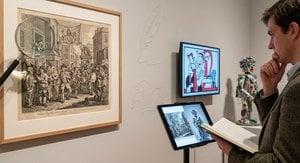
Explore the history of satire in art! From Hogarth's London to contemporary critique, discover how artists use wit & visual power to reflect and challenge society. Expert insights at WahooArt.

Explore the rich history of engraving with WahooArt. Discover techniques, iconic artists like Dürer & Callot, collecting tips, and expert guidance for preserving your art investment. Learn about intaglio printing & more!

اكتشف سحر الباروك! دليل شامل حول الحركة الفنية، عناصرها الجمالية، وكيفية دمج فخامتها وعاطفتها في الدواخل المعاصرة. نصائح من خبراء WahooArt لإضفاء لمسة باروكية على منزلك.

 معاينة الحجم الحقيقي
 مشاركة
 مشاركة
 التفاصيل

 تحميل الملف
 قطع مشابهة
 الأشعة السينية
 عرض شرائح
 عرض المزيد







 خيار الزجاج متاح فقط للمقاسات التي تقل عن 110 سم


