


x

 شراء نسخة مطبوعة شراء الصورة بدقة عالية
 مشاركة
 التفاصيل
 أضف إلى المفضلة
 تحميل الملف
 قطع مشابهة
 الأشعة السينية
 عرض شرائح
 1917
1917 33.0 x 24.0 cm
لوحة زيتية مرسومة يدوياً على الكانفاس بالمقاس والإطار الذي تفضله، تُنفذ حسب الطلب على أيدي فنانينا.
اختر من بين أحجامنا المُعدّة مسبقًا والتي تتطابق مع النسب الأصلية للعمل الفني.

يمكنك إدخال أبعادك الخاصة لتناسب إطارًا معينًا أو مساحة محددة. وإذا لم يتطابق الحجم الذي اخترته مع نسب الصورة الأصلية، فسنقوم إما بقص العمل الفني أو توسيع اللوحة بإضافة عناصر مرسومة يدويًا. سيتم إرسال نموذج رقمي إليك للموافقة عليه قبل بدء الإنتاج.
يرجى ملاحظة أن المعاينة على الشاشة لا تعكس عملية القص أو التوسيع الفعلية؛ حيث إن النموذج الرقمي وحده هو الذي سيوضح التكوين النهائي بدقة.
وعلى الرغم من توفر أحجام مخصصة، إلا أننا نوصي باختيار أبعاد من القائمة المحددة مسبقًا للحفاظ على النسب الأصلية للعمل الفني.
توصيل عالمي إلى خلال 3 إلى 4 أسابيع بدلاً من المدة المعتادة البالغة 5 أسابيع. (21 يوليو). جودة لا تهاون فيها.


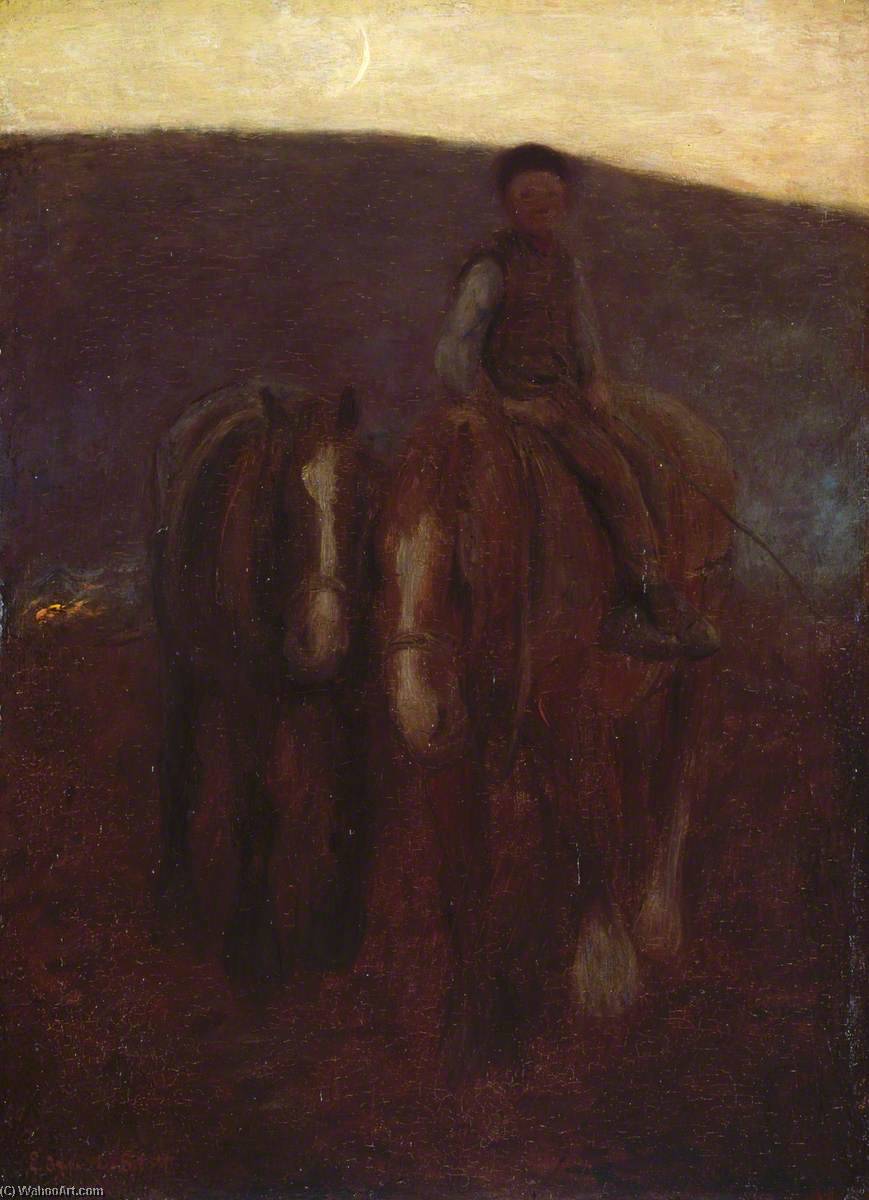
After Work
مقاس النسخة المطبوعة
In the tapestry of late Victorian art, few threads possess the quiet, evocative strength of William Edward Stott. Born in 1855 amidst the industrial landscape of Wardleworth, near Rochdale, Stott emerged from a world defined by the rhythmic toil of Lancashire’s cotton mills. While his father, Samuel Stott, presided over a successful mill, the young artist’s gaze was frequently drawn away from the smoke of industry toward the enduring beauty of the natural world. This early exposure to the stark contrasts between industrial progress and rural tradition would become a cornerstone of his artistic identity, instating in him a profound empathy for the lives of those tethered to the land.
Stott’s journey was one of significant geographical and stylistic evolution. His formal training took him to the heart of the art world in Paris, where he studied under the esteemed academic painter Carolus Duran. While this period provided him with a rigorous foundation in meticulous technique and classical composition, it also placed him at the epicenter of a burgeoning revolution. The whispers of Impressionism and the soulful, earth-bound realism of the Barbizon School began to permeate his consciousness. He found himself deeply moved by the work of Jules Bastien-Lepage, whose ability to marry naturalistic detail with an atmospheric, almost poetic sense of light offered Stott a new vocabulary for his own explorations.
As his style matured, Stott transitioned from the rigid constraints of academicism toward a more fluid, emotive approach. His canvases became windows into a vanishing way of life, capturing the subtle shifts of light that define the English countryside. He did not merely paint landscapes; he painted atmospheres. Whether it was the soft, encroaching shadows in Approaching Night or the warm, sun-drenched serenity found in The Watering Place, Stott possessed a rare gift for rendering the ephemeral qualities of the air and the earth.
His subject matter often centered on the dignity of rural labor and the quiet rhythms of pastoral existence. In works such as Ploughing, Early Spring, one can sense the connection between the artist and his subjects—a shared understanding of the seasonal cycles and the physical reality of the landscape. His technique utilized a sophisticated palette to evoke mood, often employing:
Though Stott may not have attained the global celebrity of his contemporaries like Monet or Renoir, his contribution to the British aesthetic remains vital. He stood at a pivotal historical crossroads, navigating the transition from the structured traditions of the 19th century to the more experimental sensibilities of the early 20th century. His work serves as a poignant historical record, preserving the essence of an English landscape and a social order that were rapidly being transformed by the very industrial forces he witnessed in his youth.
Today, Stott’s paintings continue to resonate with a modern audience, offering a sense of tranquility and a nostalgic connection to the pastoral. His ability to imbue ordinary scenes with extraordinary emotional weight ensures his place in the canon of British Naturalism. To view a Stott painting is to experience a moment of stillness—a chance to witness the quiet dignity of the earth and the enduring, beautiful melancholy of the passing light.

1918 -


ابقَ على اطلاع بأحدث أخبار الفن، والعروض الحصرية، وأفكار الديكور.
أخبرنا عن مشروعك، وسيقدم لك خبراؤنا الفنيون 3 اقتراحات فنية مخصصة لك.
دعنا نختار لك ٣ خيارات مخصصة تماماً - مجاناً!
 مشاركة

 عرض المزيد




































 خيار الزجاج متاح فقط للمقاسات التي تقل عن 110 سم


