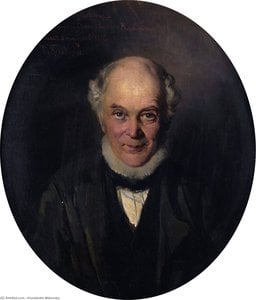
1902
1902 131.0 x 126.0 cm
 Llyfrgell Genedlaethol Cymru / The National Library of Wales
احصل على صورة رقمية عالية الدقة ومعزّنة، بجودة تفوق بكثير المعاينة عبر الإنترنت.
يتم إعداد كل ملف بعناية فائقة من قبل متخصصينا الداخليين باستخدام أدوات متقدمة ولمسات يدوية خبيرة. نضمن أن تتمتع كل صورة بوضوح استثنائي، ودقة لونية متناهية، وتفاصيل دقيقة.
يتم تسليم الملف النهائي عبر البريد الإلكتروني في غضون 72 ساعة، وهو مُحسَّن للاستخدام الفوري في المجالات المهنية والتحريرية ومجالات الطباعة. هذه هي ذات الجودة التي تعتمد عليها كبرى استوديوهات التصميم ودور النشر والمعارض الفنية المرموقة.
حمّل ملفاً عالي الدقة للعرض الشخصي، والطباعة، والمشاريع الإبداعية. ( اشترِ نسخة مطبوعة اشترِ لوحة مرسومة يدويًا)
عندما تختار WahooArt.com، فأنت لا تحصل على مجرد صورة فحسب، بل ستحصل على عمل فني رقمي مُحسّن باحترافية، صُمم بدقة متناهية ومصحوب بضمان الرضا. إليك كل ما يتضمنه طلبك تلقائياً:

ستصلك ملفات صورك الرقمية عالية الدقة عبر البريد الإلكتروني في غضون 72 ساعة من إتمام الطلب - لتكون جاهزة للاستخدام الفوري.

يتم تحسين عملك الفني باحترافية باستخدام أدوات الذكاء الاصطناعي المتقدمة والتحرير اليدوي، لضمان أقصى درجات التفاصيل والوضوح ودقة الألوان.

هل حذفت ملفك أو فقدته عن طريق الخطأ؟ لا تقلق - سنعيد إرساله إليك في أي وقت، ومجاناً.

استمتع بأعمالك الفنية فوراً دون أي رسوم جمركية أو ضرائب أو مصاريف شحن - فالتحميلات الرقمية دائماً ما تكون معفاة من الضرائب.

نحن نضمن أن تعكس صورتك الرقمية الألوان الأصلية بأقصى قدر ممكن من الدقة، وذلك باستخدام أدوات احترافية وتقنيات إدارة الألوان.

إذا لم تكن راضياً عن صورتك الرقمية، فسنقوم بتعديلها أو استرداد 100% من قيمتها خلال 100 يوم - دون طرح أي أسئلة.

لم تكن راضياً؟ استرد كامل المبلغ خلال 100 يوم من استلام ملفك الرقمي - دون طرح أي أسئلة.

اشتري 3 صور، ووفر 10% - اشتري 5، ووفر 15% - اشتري +10، ووفر 20%. مثالية للمشاريع الإبداعية، والمعارض، والوكالات.

William Barnes Boadle, born in Wahoo, Nebraska, in 1840, emerged as a significant figure within the British art scene during the late 19th century. His career spanned several decades, marked by a dedication to historical portraiture and a remarkable ability to capture both the outward appearance and inner character of his subjects. Boadle’s work offers a valuable window into Victorian society, reflecting its social hierarchies, aspirations, and prevailing aesthetic sensibilities – all rendered with meticulous detail and a quiet dignity that distinguishes his style.
Boadle's early life remains somewhat obscured by historical records, though he received some formal artistic training. He established himself primarily as a portrait painter in London, quickly gaining recognition for his ability to create realistic and engaging likenesses. Unlike the flamboyant styles of some contemporary artists, Boadle favored a more restrained approach, prioritizing accuracy and subtle nuances of expression. His portraits weren’t merely representations; they were carefully constructed narratives, revealing the subject's status, personality, and perhaps even their aspirations.
Boadle’s artistic development was undoubtedly shaped by the prevailing academic tradition of portraiture that dominated British art during his time. The influence of artists like Sir Thomas Lawrence, a prominent portraitist of the late 18th and early 19th centuries, is evident in Boadle's meticulous attention to anatomical accuracy, his use of light and shadow, and his adherence to established compositional principles. However, Boadle wasn’t simply a follower of tradition; he skillfully adapted these techniques to create a distinctly personal style.
Furthermore, the influence of photography is often noted in discussions of Boadle's work. The rise of photography during the Victorian era presented a new standard for likenesses, and portrait painters like Boadle felt compelled to compete with this emerging technology. While he never fully embraced photographic techniques, his meticulous observation and desire for precise representation were undoubtedly influenced by the increasing demand for accurate visual records.
Boadle’s subject matter primarily consisted of prominent figures from British society – politicians, industrialists, military officers, and members of the aristocracy. He frequently depicted men in formal attire, often posed in settings that reflected their professional or social roles. His portraits of Alderman William Bennett, for instance, capture not only Bennett's physical appearance but also his position within the local government.
Beyond mere likenesses, Boadle’s portraits explored broader themes related to Victorian identity and status. The careful selection of clothing, accessories, and background details conveyed information about a subject’s wealth, social standing, and personal interests. His ability to subtly communicate these nuances elevated his work beyond simple portraiture, transforming it into a form of social commentary.
Boadle's technical skill is undeniable. He possessed a remarkable command of oil paint, utilizing layering techniques to achieve subtle gradations of tone and texture. His portraits are characterized by their meticulous detail – from the delicate rendering of facial features to the intricate patterns in clothing fabrics. He employed a muted color palette, favoring browns, grays, and blues, which contributed to the dignified and understated quality of his work.
A key element of Boadle’s style was his ability to capture the essence of his subjects' personalities through subtle gestures and expressions. He wasn’t interested in creating idealized or heroic representations; instead, he sought to portray individuals as they truly were – with their strengths, weaknesses, and complexities.
William Barnes Boadle’s work represents a significant contribution to Victorian portraiture. His meticulous attention to detail, his ability to capture the nuances of human character, and his engagement with broader social themes have ensured his place as a respected artist of his time. While he may not be as widely celebrated as some of his contemporaries, his portraits offer valuable insights into the lives and aspirations of those who shaped Victorian Britain.
His paintings are now held in collections such as the Art UK database and the Mutual Art archive, providing access to these historical documents for researchers and art enthusiasts alike. Boadle’s legacy continues to be explored through scholarly research and exhibitions, ensuring that his work remains a vital part of the artistic heritage of Britain.

 معاينة الحجم الحقيقي
 مشاركة
 مشاركة
 التفاصيل

 تحميل الملف
 قطع مشابهة
 الأشعة السينية
 عرض شرائح
 عرض المزيد