معاينة الحجم الحقيقي معاينة بالواقع المعزز التحويل إلى المطبوعات اشترِ لوحة مرسومة يدويًا مشاركة
التفاصيل الدليل أضف إلى المفضلة تحميل الملف قطع مشابهة الأشعة السينية عرض شرائح الإحصائيات

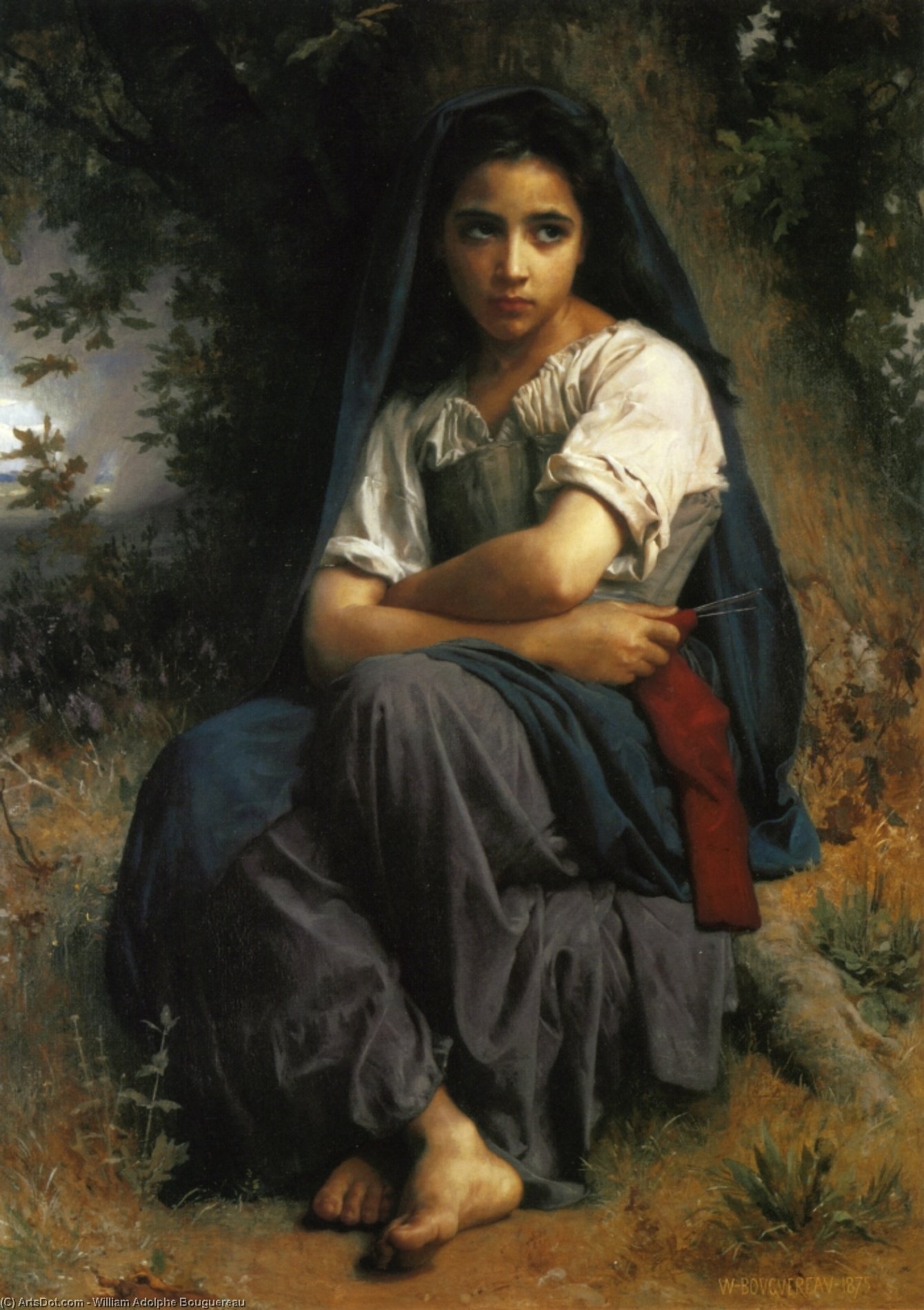
The Little Knitter

Captured in Academicism style by William-Adolphe Bouguereau during the Belle Époque, ‘The Little Knitter’ portrays a serene young girl lost in contemplation amidst dappled sunlight and scattered leaves—a timeless masterpiece inviting you to experience its exquisite beauty.

اكتشف ويليام-أدولف بوجويرو (1825-1905)، أستاذ الواقعية الأكاديمية! استمتع بتصويراته الجميلة للأساطير والمشاهد اليومية وشخصيات الإناث. استكشف إرثه الفني الخالد اليوم.

احصل على صورة رقمية عالية الدقة ومعزّنة، بجودة تفوق بكثير المعاينة عبر الإنترنت.

يتم إعداد كل ملف بعناية فائقة من قبل متخصصينا الداخليين باستخدام أدوات متقدمة ولمسات يدوية خبيرة. نضمن أن تتمتع كل صورة بوضوح استثنائي، ودقة لونية متناهية، وتفاصيل دقيقة.

يتم تسليم الملف النهائي عبر البريد الإلكتروني في غضون 72 ساعة، وهو مُحسَّن للاستخدام الفوري في المجالات المهنية والتحريرية ومجالات الطباعة. هذه هي ذات الجودة التي تعتمد عليها كبرى استوديوهات التصميم ودور النشر والمعارض الفنية المرموقة.

صورة رقمية

حمّل ملفاً عالي الدقة للعرض الشخصي، والطباعة، والمشاريع الإبداعية. ( التحويل إلى المطبوعات اشترِ لوحة مرسومة يدويًا)

إجمالي السعر

$ 24,90

مزايا مُضمّنة في كل طلب صورة رقمية

تسليم رقمي احترافي، مضمون

عندما تختار WahooArt.com، فأنت لا تحصل على مجرد صورة فحسب، بل ستحصل على عمل فني رقمي مُحسّن باحترافية، صُمم بدقة متناهية ومصحوب بضمان الرضا. إليك كل ما يتضمنه طلبك تلقائياً:

shipping_icon
تسليم سريع عبر البريد الإلكتروني

ستصلك ملفات صورك الرقمية عالية الدقة عبر البريد الإلكتروني في غضون 72 ساعة من إتمام الطلب - لتكون جاهزة للاستخدام الفوري.

canvas_icon
ملف رقمي مُحسّن بالذكاء الاصطناعي

يتم تحسين عملك الفني باحترافية باستخدام أدوات الذكاء الاصطناعي المتقدمة والتحرير اليدوي، لضمان أقصى درجات التفاصيل والوضوح ودقة الألوان.

insurance_icon
إعادة إرسال مجانية مدى الحياة

هل حذفت ملفك أو فقدته عن طريق الخطأ؟ لا تقلق - سنعيد إرساله إليك في أي وقت، ومجاناً.

tax_icon
بدون رسوم استيراد - على الإطلاق

استمتع بأعمالك الفنية فوراً دون أي رسوم جمركية أو ضرائب أو مصاريف شحن - فالتحميلات الرقمية دائماً ما تكون معفاة من الضرائب.

color_icon
ضمان دقة الألوان

نحن نضمن أن تعكس صورتك الرقمية الألوان الأصلية بأقصى قدر ممكن من الدقة، وذلك باستخدام أدوات احترافية وتقنيات إدارة الألوان.

return_icon
ضمان الرضا لمدة 100 يوم

إذا لم تكن راضياً عن صورتك الرقمية، فسنقوم بتعديلها أو استرداد 100% من قيمتها خلال 100 يوم - دون طرح أي أسئلة.

guarantee_icon
ضمان استعادة الأموال بنسبة % 100

لم تكن راضياً؟ استرد كامل المبلغ خلال 100 يوم من استلام ملفك الرقمي - دون طرح أي أسئلة.

discount_icon
خصومات الطلبات الكبيرة

اشتري 3 صور، ووفر 10% - اشتري 5، ووفر 15% - اشتري +10، ووفر 20%. مثالية للمشاريع الإبداعية، والمعارض، والوكالات.

معلومات سريعة

  • Artist: William-Adolphe Bouguereau
  • Title: The Little Knitter
  • Notable elements: Detailed depiction; Tranquil setting
  • Dimensions: 115 x 81 cm
  • Year: 1875
  • Medium: Oil on canvas

A Moment Frozen in Time: The Essence of Innocence

In the quietude of a sun-dappled afternoon, William-Adolphe Bouguereau’s 1875 masterpiece, "The Little Knitter," invites the viewer into a realm of profound serenity and timeless grace. This exquisite oil on canvas serves as more than just a portrait; it is a window into the soul of the Belle Époque, capturing a fleeting moment of childhood contemplation that feels both deeply personal and universally resonant. The painting depicts a young girl seated gently upon the earth, her focus entirely absorbed in the rhythmic, meditative task of knitting. There is an undeniable tenderness in her posture, a soft vulnerability that immediately establishes an emotional bond between the subject and the observer. As she gaz indeed off-camera, her gaze suggests a rich inner world, perhaps lost in a daydream or observing a distant movement in the natural landscape, leaving the viewer to wonder about the thoughts swirling behind her innocent eyes.

The setting, a lush backdrop of verdant trees and scattered leaves, provides a natural sanctuary for this domestic scene. The interplay of light and shadow within the foliage adds a layer of depth and organic beauty, grounding the subject in a realistic yet idealized pastoral environment. For collectors and interior designers alike, this piece offers a sense of tranquility that can transform any space, bringing an air of classical sophistication and peacefulness to a room. It is a work that does not demand attention through loud colors or jarring compositions, but rather earns it through a subtle, magnetic charm that lingers long after the first glance.

The Mastery of Academic Impressionism

Technically, "The Little Knitter" is a triumph of Academic Impressionism, a sophisticated style where Bouguereau masterfully reconciled the rigorous precision of classical tradition with the soft, luminous atmosphere of modern experimentation. His brushwork is nothing short of miraculous; he employs a smooth, polished technique that almost erases the presence of the artist’s hand, creating an ethereal, porcelain-like finish on the girl's skin. This meticulous attention to detail allows for a palpable sense of texture that engages the senses—one can almost feel the weight and softness of the wool scarf wrapped around her head and the delicate, fine weave of her blue dress.

Bouguereau’s palette is a masterclass in subtlety, utilizing muted blues, soft greens, and earthy tones to evoke a serene and harmonious atmosphere. This careful selection of color avoids the harshness of reality, instead leaning into an idealized beauty that was the hallmark of his celebrated career. By blending the structural integrity of the Old Masters—drawing inspiration from the likes of Raphael and Titian—with a more contemporary approach to light and color, Bouguereau created a visual language that feels both historically significant and eternally fresh. For those seeking a high-quality reproduction, this technical brilliance is what makes the painting such a captivating centerpiece for fine art collections.

Symbolism and the Legacy of Virtue

Beyond its aesthetic splendor, "The Little Knitter" is steeped in symbolic meaning, reflecting the moral and social values of late 19th-century France. The act of knitting serves as a powerful metaphor for domesticity, patience, and the quiet transmission of care and tradition from one generation to the next. It represents a nurturing instinct and the beauty found in simple, virtuous labors. In an era of rapid industrialization, Bouguereau’s focus on such a peaceful, domestic vignette offered a nostalgic retreat into a world defined by innocence and moral clarity.

The painting functions as a poignant reminder of the beauty inherent in stillness. In our modern, fast-paced existence, the image of a child lost in a moment of quiet industry offers a much-needed emotional respite. It is this profound psychological truth—the ability of art to capture the sanctity of a single, unhurried moment—that ensures Bouguereau’s enduring legacy. Whether displayed in a private study, a grand salon, or a contemporary living space, "The Little Knitter" continues to inspire awe, serving as a testament to the power of beauty to soothe the spirit and elevate the human experience.


السيرة الذاتية للفنان

William-Adolphe Bouguereau (1825-1905): The Sculptor of Ideal Beauty

Born in La Rochelle, France, on November 30th, 1825, William-Adolphe Bouguereau’s artistic journey began amidst the tranquil landscapes and artisanal traditions of his hometown. From a young age, he demonstrated an exceptional aptitude for drawing and painting, fueled by a profound fascination with classical art – specifically Raphael and Titian – whose mastery captivated him deeply. This early passion would shape his entire career, propelling him toward Paris and the École des Beaux-Arts, where he honed his skills under the tutelage of François-Edouard Picquenot, absorbing the foundational principles of academic realism.

The École des Beaux-Arts and Artistic Foundations

The École des Beaux-Arts proved to be instrumental in establishing Bouguereau’s distinctive artistic style. Under Picquenot's guidance, he meticulously studied anatomy, mastering the intricacies of human musculature and skeletal structure – a skill that would become central to his oeuvre. He diligently practiced drawing from plaster casts, painstakingly replicating forms with unwavering accuracy, mirroring the techniques championed by the Old Masters. This dedication to anatomical precision wasn’t merely about technical proficiency; it was rooted in a belief that truthful representation demanded an understanding of the underlying physical reality. Bouguereau's artistic vision embraced the tenets of classical art, prioritizing idealized beauty and harmonious composition—values that would define his oeuvre for decades to come.

A Symphony of Color and Light: Bouguereau’s Palette

Bouguereau’s approach extended beyond anatomical accuracy; he possessed an unparalleled sensitivity to color and light – elements he skillfully manipulated to convey emotion and atmosphere. He favored luminous palettes, employing subtle gradations of hue to create depth and illusionism on his canvases. Like Titian before him, Bouguereau meticulously observed the effects of natural illumination, capturing the interplay of shadows and highlights with breathtaking realism. This masterful technique elevated his paintings beyond mere visual representation, transforming them into immersive experiences that transported viewers to idealized landscapes or serene mythological scenes. Consider *The Birth of Venus*, where Bouguereau’s delicate use of color—particularly pearlescent shades—evokes a sense of ethereal beauty and otherworldly grace.

Mythological Visions: Bouguereau's Recurring Themes

Bouguereau consistently revisited mythological narratives, transforming ancient tales into emotionally resonant visual dramas. He approached these subjects with reverence for classical mythology, meticulously reconstructing scenes from Greek and Roman legend with painstaking detail. *Zenobia Found by Shepherds on the Banks of the Araxes*, exemplifies Bouguereau’s ability to convey vulnerability and pathos—themes he explored repeatedly throughout his career. His depictions of goddesses and heroes weren't simply decorative; they served as vehicles for exploring profound philosophical ideas about beauty, virtue, and human experience. Bouguereau’s artistic vision embraced the grandeur of mythology while simultaneously grounding it in psychological realism—a combination that ensured his paintings resonated with audiences across generations.

Legacy and Enduring Influence

Despite initial acclaim during his lifetime, Bouguereau's work faced criticism from avant-garde artists who championed abstraction and challenged traditional aesthetic conventions. However, in the latter half of the 20th century, a renewed appreciation for Bouguereau’s artistic integrity emerged—fueled by art historians recognizing his unparalleled technical skill and unwavering commitment to classical ideals. Today, Bouguereau is celebrated as a pivotal figure in French painting—a sculptor of ideal beauty whose influence continues to inspire contemporary artists. His paintings reside in prestigious museums worldwide—including the Musée d'Orsay in Paris and The J. Paul Getty Museum—guaranteeing that his legacy will endure for centuries to come. Song of the Angels (1881), with its serene composition and luminous color palette, remains a testament to Bouguereau’s mastery of artistic technique—a timeless masterpiece embodying the artist's profound belief in the enduring power of classical beauty.
ويليام أدلفه بوجرهو

ويليام أدلفه بوجرهو

1825 - 1905 , فرنسا

لمحة سريعة

  • Artistic Movement Or Style: الواقعية الأكاديمية
  • Artists Who Influenced This Artist:
    • رافائيل
    • تيتيان
  • Date Of Birth: ٣٠ نوفمبر ١٨٢٥
  • Date Of Death: ١٩ أغسطس ١٩٠٥
  • Full Name: ويليام أدلفه بوجرهو
  • Nationality: فرنسي
  • Notable Artworks:
    • النيمفايوم
    • بيرجيرة ١٨٨٦
    • طفل يغتسل
    • أغنية الملائكة
  • Place Of Birth: لاروشيل، فرنسا