معاينة الحجم الحقيقي معاينة بالواقع المعزز اشترِ لوحة مرسومة يدويًا الانتقال إلى الصورة الرقمية مشاركة
التفاصيل الدليل أضف إلى المفضلة تحميل الملف قطع مشابهة الأشعة السينية عرض شرائح الإحصائيات

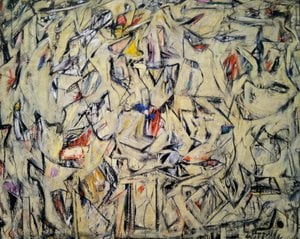
Door to the River

Explore Willem de Kooning’s ‘Door to the River’ – a dynamic Abstract Expressionist masterpiece blending pink, yellow & blue hues. Discover its significance within modern art and De Kooning's legacy.

اكتشف الفنان ويليم دي كونينغ (1904-1997)، رائد التعبيرية المجردة. استكشف سلسلته الشهيرة "المرأة" ولوحاته الديناميكية المعروفة بضربات الفرشاة الجريئة، والحدة العاطفية، وتأثيره على مدرسة نيويورك.

طباعة جيلي / مطبوعات فنية

طباعة جيكلي أو كانفاس بجودة المتاحف، مع سرعة في التنفيذ وخيارات متنوعة للتشطيب. ( اشترِ لوحة مرسومة يدويًا الانتقال إلى الصورة الرقمية)

P118B $10
P118H $10
P118W $10
P438Z $10
P508JH $12
P508YH $12
P805H $10
P805Z $10
P919BZ $10
P919G $10
P919XJ $10
P959ZH $10
P968JZ $12
W106C $8
W218G $10
W218JH $8
W218Y $10
W307PJ $10
W316G $10
W316PJ $8
W316Y $10
W398PJ $8
W4111J $10
W500HY $15
W500JH $15
W692G $12
W849H $8
W940BG $15
W953PJ $8

قياسي
حسب الطلب
CM
INCH

اختر من بين أحجامنا المُعدّة مسبقًا والتي تتطابق مع النسب الأصلية للعمل الفني.

العرض
الارتفاع

يمكنك إدخال أبعادك الخاصة لتناسب إطاراً أو مساحة معينة. وإذا لم يتطابق الحجم الذي اخترته مع نسب الصورة الأصلية، فسنقوم إما بقص العمل الفني أو تمديد الصورة باستخدام حافة معكوسة أو بلون مصمت. سيتم إرسال نموذج تجريبي رقمي لاعتمادك قبل بدء الإنتاج.
يرجى ملاحظة أن المعاينة على الشاشة لا تعكس عملية القص أو التمديد الفعلية؛ حيث سيوضح النموذج التجريبي فقط التكوين النهائي بدقة.
وعلى الرغم من توفر أحجام مخصصة، إلا أننا نوصي باختيار أبعاد من القائمة المحددة مسبقاً للحفاظ على النسب الأصلية.

توصيل عالمي إلى خلال أسبوعين بدلاً من المدة القياسية البالغة 4/5 أسابيع. 23 سبتمبر

why_choose_icon
شحن سريع ومجاني لجميع أنحاء العالم
why_choose_icon
قماش كتان عالي الجودة
why_choose_icon
تأمين شحن شامل
why_choose_icon
ضمان استرداد الرسوم الجمركية
why_choose_icon
ضمان مطابقة الألوان الحقيقية
why_choose_icon
سياسة الإرجاع خلال 100 يوم (في حالات العيوب فقط)
why_choose_icon
ضمان استرداد نقدي بنسبة 100%
why_choose_icon
خصم عند طلب عدة قطع

إجمالي السعر

$ 68

reproduction

Door to the River

طباعة جيلي / مطبوعات فنية

مقاس النسخة المطبوعة

-

السعر الإجمالي النهائي

$ 68

معلومات سريعة

  • Artist: Willem de Kooning
  • Artistic style: Dynamic composition
  • Location: Whitney Museum, NY
  • Dimensions: 80 x 70 inches
  • Title: Door to the River
  • Notable elements: Expressive brushwork
  • Subject or theme: River landscape

اختبار الفنون

يوجد إجابة صحيحة واحدة فقط لكل سؤال.

سؤال 1:
What is the dominant color scheme in Willem de Kooning’s ‘Door to the River’?
سؤال 2:
The painting ‘Door to the River’ is primarily associated with which art movement?
سؤال 3:
What does the ‘doorway’ in ‘Door to the River’ symbolize, according to the description?
سؤال 4:
Which of the following best describes Willem de Kooning’s brushwork style as seen in ‘Door to the River’?
سؤال 5:
The painting ‘Door to the River’ was created in which year?

A Doorway to Emotion: De Kooning’s “Door to the River”

Willem de Kooning, a titan of 20th-century art, possessed an ability to wrestle with form and emotion in ways that continue to resonate profoundly. His work isn't merely representation; it’s a visceral exploration of the human condition, rendered through dynamic brushstrokes and a vibrant, often unsettling palette. “Door to the River,” painted in 1960, stands as a pivotal example of this approach, offering a glimpse into the artist’s evolving vision during a period of intense creative experimentation. The painting isn't simply a depiction of a riverbank; it’s an invitation – a doorway leading to a realm of feeling and memory. Initially conceived as a study for a larger mural project, its scale—a substantial 80 x 70 inches—amplifies the sense of immersion and immediacy that defines de Kooning's style. The composition is deceptively simple: a broad, ochre-toned doorway dominates the center of the canvas, flanked by a swirling expanse of pink, yellow, white, and brown hues that suggest both water and sky. Yet, within this apparent tranquility lies a palpable energy—a sense of movement and disruption that speaks to the complexities of experience.

The Language of Brushstroke: Technique and Style

De Kooning’s technique is instantly recognizable – a furious, almost violent application of paint that belies the painting's underlying emotional depth. He employed house painter’s brushes, deliberately eschewing the smooth, controlled strokes favored by some of his contemporaries. Instead, he layered thick impasto, creating a surface rich with texture and visual interest. The brushwork isn’t precise; it’s raw, spontaneous, and imbued with an almost palpable sense of urgency. Notice how the lines aren't always clean or defined—they bleed into one another, suggesting a constant state of flux and transformation. This technique wasn’t simply about applying paint; it was about channeling emotion directly onto the canvas. The painting exemplifies his move away from the more rigid structures of earlier works, embracing a looser, more expressive approach that mirrored his own restless spirit. The color palette itself is crucial – the warm yellows and browns ground the composition, while the pinks and blues evoke both serenity and unease, mirroring the duality inherent in memory and experience.

Context within Modern Art Movements: Beyond Abstract Expressionism

“Door to the River” resides firmly within the realm of Abstract Expressionism, a movement that sought to liberate art from representational constraints and explore the depths of subjective experience. However, de Kooning’s work transcends simple categorization. He pushed the boundaries of abstraction, incorporating elements of figuration—the suggestion of a doorway, the implied presence of figures—that challenged viewers to engage with the painting on multiple levels. The painting's creation coincided with a period of significant artistic ferment, following the dominance of Abstract Expressionism and preceding the rise of Postmodern art. De Kooning’s work served as a bridge between these movements, embodying the modernist ideals of experimentation and personal expression while simultaneously anticipating the ironic and self-aware approach of postmodernism. His influence can be seen in artists like Richard Clifford Diebenkorn Jr., who similarly explored abstract expressionism with a focus on capturing the essence of place and memory.

Symbolic Layers: The River, the Doorway, and Beyond

The symbolism within “Door to the River” is layered and open to interpretation. The doorway itself can be seen as a metaphor for transition—a passage between states of being, memories and realities. The river below represents fluidity, change, and perhaps even the subconscious mind. The figures glimpsed in the background – often interpreted as fragments of memory or reflections of the artist’s own psyche – add to this sense of ambiguity and invite viewers to project their own experiences onto the canvas. Some art historians suggest that the painting reflects de Kooning's personal struggles with identity and his evolving relationship with New York City, a city he both loved and wrestled with throughout his life. The overall effect is not one of straightforward narrative but rather an evocative exploration of feeling—a reminder that art can be as much about inviting contemplation as it is about depicting the visible world.

For those seeking to experience the power and dynamism of Willem de Kooning’s “Door to the River” firsthand, high-quality reproductions are available through WahooArt.com and WahooArt.com. Further exploration of de Kooning’s oeuvre, including his seminal work “Interchange,” can be found on Wikipedia: Wikipedia.


السيرة الذاتية للفنان

نشأة فنان: رحلة ويليم دي كونينغ نحو التجريد

وُلد ويليم دي كونينغ في روتردام بهولندا عام 1904، وشكلت طفولته المبكرة تجربة صعبة بسبب انفصال والديه. ربما أضفى هذا الانفصال شعورًا بالبحث الدائم الذي سيشكل مسيرته الفنية. لم يحب دي كونينغ المدرسة، وتركها في سن الثانية عشرة ليتدرب في شركة فنون تجارية، مما أكسبه مهارات تقنية أساسية بينما أشعل فيه الرغبة في التحرر من القيود التقليدية. تلقى تدريبًا إضافيًا في الأكاديمية المحلية للفنون، لكن شغفه الحقيقي كان يكمن في استكشاف لغة فنية أكثر جرأة وتعبيرًا. في عام 1926، انطلق نحو أمريكا، في رحلة مغامرة تجسدت في تهريبه على متن سفينة، بحثًا عن آفاق جديدة. سرعان ما أصبح نيويورك المدينة التي تبناه، حيث امتص طاقته النابضة بالحياة وتأثيراته المتنوعة، مما أثر بعمق على تطور أسلوبه الفني. عمل دي كونينغ في وظائف مختلفة – كعامل بناء ورسام – بينما كان يكرس نفسه بلا هوادة لمتابعة رؤيته الفنية، مستمدًا إلهامه من نبض المدينة.

من المناظر الحضرية إلى الغضب التجريدي

في بداياته، عكس دي كونينغ محيطه المباشر في لوحاته: مناظر حضرية وصور شخصية التقطت الديناميكية المتدفقة لمدينة نيويورك. ومع ذلك، كانت هذه الأعمال بمثابة خطوات أولى نحو استكشاف أعمق للشكل والعاطفة. كان اللقاء مع أرشيل غوركي نقطة تحول حاسمة، حيث شجعه غوركي على التجريب بالتجريد، مما عزز لديه استعدادًا لتفكيك التمثيل التقليدي في سبيل تحقيق شيء أعمق. شهدت فترة الثلاثينيات انخراط دي كونينغ في الواقعية الاجتماعية ومشاريع الجداريات من خلال إدارة التقدم الوظيفي (WPA)، وهي فترة صقل مهاراته ولكنها سلطت الضوء أيضًا على قيود الفن التمثيلي البحت. وجد نفسه منجذبًا إلى أعمال ستيوارت ديفيس وجون غراهام، فنانين كانوا يدفعون الحدود بأنفسهم. أدى هذا التلاقي من التأثيرات تدريجيًا إلى تحويله بعيدًا عن التصوير الحرفي نحو مفردات تجريدية متزايدة. لم يكن هذا تحولاً مفاجئًا، بل كان تطوراً بطيئاً – تفكيكًا متعمدًا للمعايير الراسخة مدفوعًا بالفضول الفكري والسعي الدؤوب للحقيقة الفنية.

سلسلة "المرأة": إنجاز بارز

بعد الحرب العالمية الثانية، برز دي كونينغ كشخصية مركزية في حركة التعبيرية المجردة الناشئة. شكلت هذه الفترة نقطة تحول، بلغت ذروتها في سلسلته الشهيرة "المرأة" (1950-1953). هذه اللوحات – بما في ذلك *المرأة الأولى* المهيبة – ليست مجرد تصوير لشخصيات نسائية؛ إنها استكشافات حسية للأنوثة والشهوة الجنسية وتعقيدات المشاعر الإنسانية. تتميز سلسلة "المرأة" بضربات فرشاة عدوانية وأشكال مجزأة ومقارنة صارخة للألوان، وتحدت المفاهيم التقليدية للجمال والتمثيل. كانت مثيرة للجدل، بل وحتى صادمة بالنسبة للبعض، لكن قوتها تكمن تحديدًا في رفضها الامتثال. لم يكن دي كونينغ مهتمًا بإنشاء صور مثالية؛ لقد سعى إلى التقاط الجوهر الخام وغير المروض لموضوعاته. بالإضافة إلى سلسلة "المرأة"، أظهرت أعمال مثل *الجزار* و *حفرية* نهجه الديناميكي في الرسم، مع إظهار إتقان بارز للملمس واللون والتكوين. لم يتجنب الفوضى أو الغموض؛ بل احتضنها كعناصر متكاملة من لغته الفنية.

المناظر الطبيعية المتطورة والإرث الدائم

في الستينيات، خضع أسلوب دي كونينغ لتطور كبير آخر. بينما ظل التجريد جوهريًا في عمله، بدأت العناصر المتعلقة بالمناظر الطبيعية تلعب دورًا أكثر بروزًا، وغالبًا ما يتم تصويرها بلوحة أكثر إشراقًا وضربة فرشاة أكثر سلاسة. استمر في التجريب بلا هوادة طوال حياته، واستكشف تقنيات ومواد مختلفة، ولم يرض بقاع الثبات أبدًا. تُظهر أعماله اللاحقة قدرته المذهلة على إعادة اختراع نفسه مع البقاء مخلصًا لمبادئه الفنية الأساسية. لا يمكن إنكار الأهمية التاريخية لوليم دي كونينغ. فقد ساعد في إرساء مدينة نيويورك كمركز عالمي للفن، وتحدي الهيمنة التقاليد الأوروبية وفتح الطريق للأجيال القادمة من الفنانين. تظل أعماله تلهم الرهبة وتثير الجدل، مما يذكرنا بقوة التجريد في نقل الحقائق العاطفية العميقة. رحل دي كونينغ عن عالمنا عام 1997، تاركًا وراءه عملًا واسع النطاق ومؤثرًا يشهد على التزامه الثابت بالابتكار الفني وإرثه الدائم كواحد من أهم فناني القرن العشرين الأمريكيين. إن تأثيره لا يزال يتردد صداه.
ويليم دي كونينغ

ويليم دي كونينغ

1904 - 1997 , هولندا

حقائق سريعة

  • أعمال فنية بارزة:
    • امرأة الأولى
    • مارلين مونرو
    • رجل مستلقٍ (جي إف كيه)
    • حفرية
  • الاسم الكامل: ويلهم دي كونينغ
  • الجنسية: هولندي أمريكي
  • الحركات الفنية المتأثرة: ['مدرسة نيويورك']
  • الحركة الفنية: التعبيرية المجردة
  • الفنانون المؤثرون:
    • أرشيل غوركي
    • ستيوارت ديفيس
    • جون غراهام
  • تاريخ الميلاد: 24 أبريل 1904
  • مكان الميلاد: روتردام، هولندا
استكشف الأعمال الفنية المصنفة حسب الموضوعات والأنماط والخصائص.