استشارة فنية مجانية

x
شراء نسخة مطبوعة شراء نسخة مطبوعةشراء الصورة بدقة عالية شراء الصورة بدقة عالية مشاركةمشاركة
التفاصيلالتفاصيل أضف إلى المفضلة أضف إلى المفضلة تحميل الملفتحميل الملف قطع مشابهةقطع مشابهة الأشعة السينيةالأشعة السينية عرض شرائحعرض شرائح

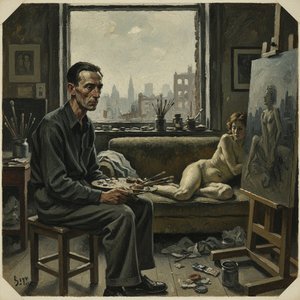
Swansea Blitz

Witness Swansea’s devastation in Will Evans’ ‘Swansea Blitz,’ a powerful oil painting capturing wartime resilience & destruction. Explore this evocative piece, showcasing realism & impasto technique.

Explore the captivating landscapes of Edwin Evans (1860-1946), an American painter renowned for his evocative Yorkshire scenes & Parisian watercolors. Discover his legacy!

نسخة زيتية مصنوعة يدوياً

لوحة زيتية مرسومة يدوياً على الكانفاس بالمقاس والإطار الذي تفضله، تُنفذ حسب الطلب على أيدي فنانينا.

Standard
custom
CM
INCH

اختر من بين أحجامنا المُعدّة مسبقًا والتي تتطابق مع النسب الأصلية للعمل الفني.

العرض
الارتفاع

يمكنك إدخال أبعادك الخاصة لتناسب إطارًا معينًا أو مساحة محددة. وإذا لم يتطابق الحجم الذي اخترته مع نسب الصورة الأصلية، فسنقوم إما بقص العمل الفني أو توسيع اللوحة بإضافة عناصر مرسومة يدويًا. سيتم إرسال نموذج رقمي إليك للموافقة عليه قبل بدء الإنتاج.
يرجى ملاحظة أن المعاينة على الشاشة لا تعكس عملية القص أو التوسيع الفعلية؛ حيث إن النموذج الرقمي وحده هو الذي سيوضح التكوين النهائي بدقة.
وعلى الرغم من توفر أحجام مخصصة، إلا أننا نوصي باختيار أبعاد من القائمة المحددة مسبقًا للحفاظ على النسب الأصلية للعمل الفني.

أمثلة على التعديلات الممكنة: استبدال الوجه بصورة العميل؛ إضافة حيوان أليف (مثل استبدال قطة بكلب)؛ تضمين رسالة مخفية في الخلفية؛ تغيير المناظر الطبيعية أو العناصر في الخلفية.
بعد إتمام الطلب، سيرسل فريق WahooArt.com بريداً إلكترونياً للعميل لطلب التعليمات وتزويده بمعاينة تجريبية (mockup).

توصيل عالمي إلى خلال 3 إلى 4 أسابيع بدلاً من المدة المعتادة البالغة 5 أسابيع. (5 يوليو). جودة لا تهاون فيها.

why_choose_icon
شحن سريع ومجاني لجميع أنحاء العالم
why_choose_icon
قماش كتان عالي الجودة
why_choose_icon
تأمين شحن شامل
why_choose_icon
ضمان استرداد الرسوم الجمركية
why_choose_icon
ضمان مطابقة الألوان الحقيقية
why_choose_icon
سياسة الإرجاع خلال 60 يومًا (في حالات العيوب فقط)
why_choose_icon
ضمان استرداد نقدي بنسبة 100%
why_choose_icon
خصم عند طلب عدة قطع

إجمالي السعر

-

reproduction

Swansea Blitz

خامة إعادة الإنتاج

مقاس النسخة المطبوعة

-

السعر الإجمالي النهائي

-


السيرة الذاتية للفنان

Edwin Evans (1860 – 1946): Painter of Yorkshire and Parisian Light

Edwin Evans, born in Salt Lake City, Utah, in 1860, emerged as a prominent American painter celebrated for his masterful depictions of the Yorkshire countryside and luminous watercolors capturing the essence of Paris. His artistic journey spanned decades, marked by unwavering dedication to observation and an ability to translate visual impressions into emotionally resonant compositions. Evans’s work stands apart due to its meticulous detail combined with a lyrical sensitivity that embodies the Romantic spirit of his time.

Early Life and Influences

Evans received his initial artistic training under LeConte Stewart, a renowned Utah painter who instilled in him a profound appreciation for landscape painting and tonal harmony. Stewart's teachings emphasized capturing atmospheric conditions—misty mornings, dramatic sunsets—and conveying mood through subtle shifts in color and texture. This formative influence profoundly shaped Evans’s stylistic approach, prioritizing realism tempered by expressive brushwork. Furthermore, Evans absorbed inspiration from Impressionist painters like Claude Monet and Camille Pissarro, whose techniques of plein air painting – working outdoors directly from nature – encouraged him to embrace spontaneity and capture fleeting moments of beauty.

Yorkshire Landscapes: A Return to Tradition

Evans’s artistic breakthrough arrived with his relocation to Yorkshire, England, in 1903. Drawn by the rugged beauty of the moors and valleys, he embarked on a prolific series of paintings documenting the region's dramatic landscapes. Unlike many Impressionists who favored dappled sunlight and pastel hues, Evans employed a darker palette—deep blues, browns, and ochres—to convey the brooding grandeur of Yorkshire’s weather conditions. His canvases are characterized by meticulous topographical accuracy combined with expressive brushstrokes that capture the palpable energy of wind and rain. Notable works include “The Moorland Landscape” (1908) and “Whitby Harbour,” which exemplify his ability to distill complex atmospheric phenomena into powerfully evocative images. Evans's Yorkshire landscapes represent a deliberate return to Romantic traditions, prioritizing tonal gradation and textural richness over mere optical representation.

Parisian Watercolor Studies

Despite his deep connection to Yorkshire, Evans maintained an enduring fascination with Paris, where he continued to paint watercolors throughout his later years. These Parisian studies focused on capturing the subtle nuances of urban life—the reflections in windows, the interplay of light and shadow on cobblestone streets—and conveying a sense of atmosphere that rivaled Impressionist masterpieces. Evans’s Parisian watercolors demonstrate an exceptional command of watercolor technique, utilizing layering and glazing to achieve luminous effects and create depth within confined spaces. His compositions often depict scenes from everyday life – cafes, boulevards, gardens – imbued with a quiet dignity and understated beauty.

Major Achievements and Legacy

Evans achieved considerable recognition during his lifetime, notably through his involvement in the decoration of the Salt Lake Temple murals commissioned for the Mormon Tabernacle Choir’s Centennial Celebration in 1934. He collaborated closely with architect Neel Phillips to create monumental canvases depicting biblical narratives—the Creation Story, Noah's Ark, Exodus—employing a bold palette and dramatic lighting to convey the grandeur of religious symbolism. This project cemented Evans’s reputation as a painter capable of tackling ambitious artistic undertakings while maintaining stylistic integrity. Beyond his murals, Evans produced numerous landscapes and watercolors that continue to inspire admiration for their technical skill and emotional depth. His work remains an enduring testament to the Romantic spirit—a celebration of nature's sublime power and an unwavering commitment to capturing its fleeting beauty. Edwin Evans died in 1946, leaving behind a substantial body of art that secures his place as one of America’s foremost landscape painters of the early twentieth century.
will evans

will evans

1888 - 1957

حقائق سريعة

  • Artistic Movement Or Style: Romantic Landscape Art
  • Artists Who Influenced This Artist:
    • George Caleb Bingham
    • Thomas Moran
  • Date Of Birth: 1860
  • Date Of Death: 1946
  • Full Name: Edwin Evans
  • Nationality: American
  • Notable Artworks:
    • LeConte Stewart Student
    • Yorkshire Landscapes
  • Place Of Birth: Salt Lake City, Utah