

طباعة جيكلي أو كانفاس بجودة المتاحف، مع سرعة في التنفيذ وخيارات متنوعة للتشطيب. ( شراء لوحة مرسومة يدويًا الانتقال إلى الصورة الرقمية)
اختر من بين أحجامنا المُعدّة مسبقاً والتي تتوافق مع النسب الأصلية للعمل الفني.

أدخل العرض والارتفاع المطلوبين ليتناسب المقاس مع إطارك أو جدارك. يرجى الملاحظة أن المطبوعة يمكن قصها فقط ولا يمكن تكبيرها لتتجاوز أبعاد الصورة الأصلية، لذا فإن اختيار مقاس بأبعاد مختلفة سيؤدي إلى فقدان جزء من الصورة. سنرسل لك نموذجاً رقمياً تجريبياً لاعتماده قبل البدء في عملية الطباعة. الصورة المعروضة في هذه الصفحة لا توضح شكل القص الفعلي — النموذج التجريبي فقط هو ما يظهر ذلك بدقة.
توصيل عالمي إلى خلال أسبوعين بدلاً من المدة القياسية البالغة 4/5 أسابيع. (9 نوفمبر)
Twilight
مقاس النسخة المطبوعة
Umberto Boccioni’s “Twilight,” completed in 1909, stands as a cornerstone of the Futurist movement—a radical artistic rebellion against academic traditions that championed speed, dynamism, and the transformative power of industrial progress. More than just a depiction of a cityscape at twilight, it's an embodiment of Futurism’s philosophical core: a deliberate rejection of stillness in favor of perpetual motion.
Painted in Divisionist style—a technique pioneered by Georges Seurat—Boccioni meticulously layered dots of color onto the canvas, creating an illusionistic depth that defies conventional representation. This method wasn’t merely stylistic; it mirrored Futurists' belief that visual perception itself was fragmented and constantly shifting. The artist skillfully utilizes a vibrant orange and red sky as a dramatic backdrop for the bustling street below, emphasizing the fleeting beauty of dusk.
Below this fiery expanse unfolds a scene teeming with life: pedestrians hurrying along sidewalks, two horses prominently positioned—one near the center, another on the right—and automobiles adding to the palpable sense of movement. Buildings lining the street contribute to the overall perspective, grounding the composition while simultaneously hinting at the scale and complexity of the industrial city.
The smoke rising from the buildings isn’t merely atmospheric detail; it symbolizes the relentless march of technological advancement—a key preoccupation of Futurists. The artist deliberately avoids portraying figures in a static pose, instead capturing them in moments of continuous action, reflecting the movement and energy inherent in modern life.
"Twilight" represents Boccioni’s masterful fusion of traditional painting techniques with modernist ideals. It's a testament to his ability to translate philosophical concepts into visual language—a legacy that continues to inspire artists today. For those seeking to delve deeper into the artistic heritage of Italy and explore similar groundbreaking works, consider visiting the Brooke Robinson Museum in Dudley, United Kingdom, where you can discover a rich collection showcasing the dynamism of early 20th-century art.
يمكن تحميل صورة "Twilight" للفنان أمبيرتو بوكيوني من صفحة التحميل الخاصة بالعمل الفني: تحميل الصورة الرقمية تحميل صورة رقمية عالية الدقة.
يعود تاريخ 1909 للوحة "Twilight"، مما يضعها ضمن مرحلة Early Modern من مسيرة تطور أمبيرتو بوكيوني.
تتوفر صفحة دليل تعليمي لعمل "Twilight" للفنان أمبيرتو بوكيوني: وهي عبارة عن ورقة حقائق قابلة للطباعة حول العمل الفني، مُصممة خصيصاً للطلاب وللاستخدام في الفصول الدراسية.


1882 - 1916 , إيطاليا

Explore the exhilarating world of Futurism with our expert guide. Discover how masters like Balla and Boccioni captured speed, power, and modern motion through dynamic avant-garde techniques—essential knowledge for any discerning art collector.
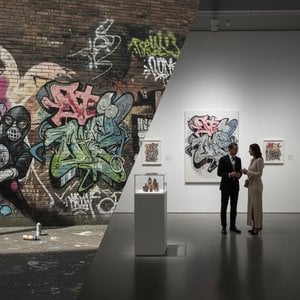
Explore the captivating journey of street art from urban walls to prestigious galleries. Discover how contemporary graffiti has evolved into a high-end collectible movement, redefining modern interior design and global art culture.

Explore the profound synergy of Cubo-Futurism, where geometric precision meets dynamic motion. Discover an expert analysis of this avant-garde movement, its historical impact on modern abstraction, and how to curate these powerful, kinetic masterpieces for your private collection.
 معاينة الحجم الواقعي
 مشاركة
 مشاركة
 التفاصيل
 دليل
دليل

 تحميل الملف
 قطع مشابهة
 الأشعة السينية
 عرض شرائح
 الأسئلة والأجوبة
 الإحصائيات

 عرض المزيد






































 خيار الزجاج متاح فقط للمقاسات التي تقل عن 110 سم


