معاينة الحجم الواقعي معاينة بالواقع المعزز اطلب نسخة مرسومة يدويًا التحويل إلى الصورة الرقمية إرسال
عرض التفاصيل دليل الأعمال الفنية للطلاب أضف إلى المفضلة تحميل قطع مشابهة الأشعة السينية عرض شرائح متتابع الإحصائيات

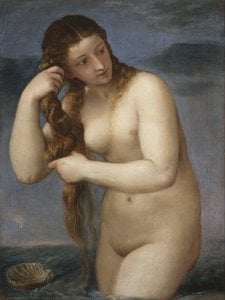
Venus Anadyomene

Experience Titian's 'Venus Anadyomene'! This iconic Renaissance masterpiece depicts the goddess rising from the sea, showcasing exquisite detail and beauty. Explore its rich history & symbolism.

تيتشينو فيسيلّيو (تيتيان): رسام فنّي من عصر النهضة الإيطالية، اشتهر بأعماله الزيتية المذهلة ولوحاته الشخصية الأيقونية مثل "فينوس أوربينو". أتقن استخدام اللون والإضاءة، وأثر بشكل كبير في الفن الغربي.

طباعة جيلي / مطبوعات فنية

طباعة جيكلي أو كانفاس بجودة المتاحف، مع سرعة في التنفيذ وخيارات متنوعة للتشطيب. ( اطلب نسخة مرسومة يدويًا التحويل إلى الصورة الرقمية)

Corner sample of the P118B picture frame: بوليسترين مُشكّل, 5 cm wide and 3 cm thick
P118B E£10
Corner sample of the P118H picture frame: بوليسترين مُشكّل, 5 cm wide and 3 cm thick
P118H E£10
Corner sample of the P118W picture frame: بوليسترين مُشكّل, 5 cm wide and 3 cm thick
P118W E£10
Corner sample of the P438Z picture frame: بوليسترين مُشكّل, 5.5 cm wide and 3.5 cm thick
P438Z E£10
Corner sample of the P508JH picture frame: بوليسترين مُشكّل, 7 cm wide and 3.5 cm thick
P508JH E£12
Corner sample of the P508YH picture frame: بوليسترين مُشكّل, 7 cm wide and 3.5 cm thick
P508YH E£12
Corner sample of the P805H picture frame: بوليسترين مُشكّل, 5 cm wide and 3.5 cm thick
P805H E£10
Corner sample of the P805Z picture frame: بوليسترين مُشكّل, 5 cm wide and 3.5 cm thick
P805Z E£10
Corner sample of the P919BZ picture frame: بوليسترين مُشكّل, 7 cm wide and 3.5 cm thick
P919BZ E£10
Corner sample of the P919G picture frame: بوليسترين مُشكّل, 7 cm wide and 3.5 cm thick
P919G E£10
Corner sample of the P919XJ picture frame: بوليسترين مُشكّل, 7 cm wide and 3.5 cm thick
P919XJ E£10
Corner sample of the P959ZH picture frame: بوليسترين مُشكّل, 5 cm wide and 3 cm thick
P959ZH E£10
Corner sample of the P968JZ picture frame: بوليسترين مُشكّل, 6 cm wide and 4 cm thick
P968JZ E£12
Corner sample of the W106C picture frame: خشب طبيعي صلب, 5 cm wide and 3 cm thick
W106C E£8
Corner sample of the W218G picture frame: خشب طبيعي صلب, 5 cm wide and 3 cm thick
W218G E£10
Corner sample of the W218JH picture frame: خشب طبيعي صلب, 5 cm wide and 3 cm thick
W218JH E£8
Corner sample of the W218Y picture frame: خشب طبيعي صلب, 5 cm wide and 3 cm thick
W218Y E£10
Corner sample of the W307PJ picture frame: خشب طبيعي صلب, 6 cm wide and 3 cm thick
W307PJ E£10
Corner sample of the W316G picture frame: خشب طبيعي صلب, 6 cm wide and 3 cm thick
W316G E£10
Corner sample of the W316PJ picture frame: خشب طبيعي صلب, 6 cm wide and 3 cm thick
W316PJ E£8
Corner sample of the W316Y picture frame: خشب طبيعي صلب, 6 cm wide and 3 cm thick
W316Y E£10
Corner sample of the W398PJ picture frame: خشب طبيعي صلب, 5 cm wide and 3 cm thick
W398PJ E£8
Corner sample of the W4111J picture frame: خشب طبيعي صلب, 6.5 cm wide and 3.5 cm thick
W4111J E£10
Corner sample of the W500HY picture frame: خشب طبيعي صلب, 7 cm wide and 5 cm thick
W500HY E£15
Corner sample of the W500JH picture frame: خشب طبيعي صلب, 7 cm wide and 5 cm thick
W500JH E£15
Corner sample of the W692G picture frame: خشب طبيعي صلب, 8 cm wide and 4 cm thick
W692G E£12
Corner sample of the W849H picture frame: خشب طبيعي صلب, 5 cm wide and 3 cm thick
W849H E£8
Corner sample of the W940BG picture frame: خشب طبيعي صلب, 7.5 cm wide and 4.5 cm thick
W940BG E£15
Corner sample of the W953PJ picture frame: خشب طبيعي صلب, 6 cm wide and 3.5 cm thick
W953PJ E£8

مقاس قياسي
مخصص
CM
INCH

اختر من بين أحجامنا المُعدّة مسبقاً والتي تتوافق مع النسب الأصلية للعمل الفني.

العرض
الارتفاع

أدخل العرض والارتفاع اللذين تحتاجهما، ليتناسب مع إطارك أو جدارك. يمكن قص المطبوعة فقط، ولا يمكن أبداً جعلها أكبر من الصورة الأصلية، لذا فإن أي مقاس بشكل مختلف سيؤدي إلى فقدان جزء من الصورة. سنرسل لك نموذجاً رقمياً تجريبياً لاعتماده قبل البدء في عملية الطباعة. الصورة المعروضة في هذه الصفحة لا توضح القص الفعلي — النموذج التجريبي فقط هو ما يظهر ذلك.

توصيل عالمي إلى خلال أسبوعين بدلاً من المدة القياسية البالغة 4/5 أسابيع. (28 أكتوبر)

شحن سريع ومجاني لجميع أنحاء العالم
قماش كتان فاخر
تأمين شامل على الشحن
ضمان استرداد الرسوم الجمركية
ضمان دقة مطابقة الألوان
سياسة الإرجاع خلال 100 يوم (في حالات العيوب فقط)
ضمان استرداد نقدي بنسبة 100%
عرض خصم الكميات

إجمالي السعر

E£ 3540

Venus Anadyomene

طباعة جيلي / مطبوعات فنية

مقاس النسخة المطبوعة

-

إجمالي السعر

E£ 3540

حقائق سريعة

  • Subject or theme: Venus rising from sea
  • Artistic style: Classical, Nude
  • Movement: Venetian Renaissance
  • Artist: Titian Vecellio
  • Notable elements: Wringing hair, shell
  • Location: Scottish National Gallery

اختبار المعلومات الفنية

لكل سؤال إجابة صحيحة واحدة فقط.

سؤال 1:
What is the primary mythological subject depicted in Titian’s ‘Venus Anadyomene’?
سؤال 2:
According to the description, what inspired Titian's depiction of Venus’ pose?
سؤال 3:
What is the approximate date of creation for ‘Venus Anadyomene’?
سؤال 4:
The image description mentions a small shell visible at the bottom left of the painting. What is its significance?
سؤال 5:
The text highlights that Titian’s painting aimed to emulate what artist's earlier work?

The Divine Emergence: Titian’s “Venus Anadyomene”

Titian’s “Venus Anadyomene,” painted around 1520, isn't merely a depiction of the goddess; it’s an embodiment of Renaissance ideals—a vibrant celebration of beauty, mythology, and the mastery of color. This oil on canvas masterpiece, now residing in the Scottish National Gallery, captures a pivotal moment: Venus rising from the sea, her hair cascading down as she sheds the remnants of her birth, a gesture simultaneously vulnerable and triumphant. The painting immediately draws the eye with its luminous palette—a symphony of blues, pinks, and golds that evoke both the depths of the ocean and the radiant glow of dawn. It’s a testament to Titian's unparalleled ability to render light and texture, creating an illusion of palpable wetness on Venus’ skin and the shimmering surface of the water.

A Myth Reimagined: The Story Behind the Scene

The title itself, “Anadyomene,” translates to "one who has risen from the sea," referencing a key episode in Greek mythology. According to Hesiod and other classical sources, Venus was born fully-grown from the sea foam—the result of Cronus’s discarded genitals thrown into the ocean. This birth wasn't gentle; it was an emergence, a forceful rising from the depths. Titian brilliantly captures this dynamic moment, portraying Venus not as a passive figure but as an active participant in her own creation. The inclusion of the small scallop shell—a symbol of femininity and fertility—reinforces this narrative, grounding the divine birth within the tangible world. Interestingly, the shell is smaller than in other depictions of Venus’s birth, suggesting that Titian isn't simply illustrating a mythological event but rather emphasizing the goddess’s inherent power and self-sufficiency.

Technique and Style: A Masterclass in Color and Form

Titian’s genius lies not just in his subject matter, but also in his revolutionary approach to painting. He employed a technique known as “alla prima,” meaning he worked directly on the canvas without underdrawing or preparatory sketches. This resulted in loose, vibrant brushstrokes that contribute significantly to the painting's dynamism and immediacy. Notice how Titian builds up layers of color—thin washes of pigment layered over each other to create depth and luminosity. The use of warm, saturated hues contrasts sharply with the cool blues of the sea, creating a captivating visual tension. Furthermore, his masterful handling of drapery – or rather, the *suggestion* of drapery – adds to the sense of movement and fluidity. Venus’s hair isn't rigidly defined; it flows organically around her form, mirroring the waves of the ocean.

Symbolism and Emotional Resonance: More Than Just a Pretty Picture

Beyond its aesthetic beauty, “Venus Anadyomene” is rich in symbolic meaning. Venus herself represents love, beauty, and fertility—powerful forces that have captivated artists and audiences for centuries. Her act of wringing her hair can be interpreted as a shedding of the past, a release from the primal chaos of her birth. It’s an assertion of her independence and her dominion over the natural world. The painting also subtly references classical sculpture, particularly the Crouching Venus and Cnidian Venus—statues that depicted Venus in a similar pose, emphasizing her graceful form and serene expression. Titian's deliberate inclusion of these echoes from antiquity demonstrates his ambition to not only capture a mythological scene but to engage with the artistic traditions of the past.

Ultimately, “Venus Anadyomene” is more than just a beautiful painting; it’s a profound meditation on birth, beauty, and the enduring power of myth. It invites us to contemplate the goddess's emergence from the depths—a potent symbol of renewal, transformation, and the eternal allure of the feminine ideal.

الأسئلة والأجوبة

من الذي أبدع "Venus Anadyomene" وبأي أسلوب نُفذت؟

أبدع تيتشينو لوحة "Venus Anadyomene" بأسلوب Italian Renaissance. ويحدد الفنان والمدرسة الفنية التراث الذي ينتمي إليه هذا العمل.

كيف يمكنني عرض "Venus Anadyomene" للفنان تيتشينو كعرض شرائح؟

يتوفر عرض متتابع للصور في صفحة عرض متتابع الخاصة بـ "Venus Anadyomene" للفنان تيتشينو.

كيف يمكنني تحميل صورة "Venus Anadyomene" للفنان تيتشينو؟

يمكن تحميل "Venus Anadyomene" للفنان تيتشينو من صفحة تحميل الخاصة بالعمل الفني، بصفتها تحميل صورة رقمية عالية الدقة.


نبذة عن الفنان

تيتشانو فيتشيلّيو: رائد الألوان والضوء في عصر النهضة الفينيسية

يُعد تيتشانو فيتشيلّيو، المعروف عالميًا باسم تيتيان، أحد أعظم الشخصيات في عصر النهضة الإيطالية – ربما يكون أبرع مصور للألوان وأستاذ أرسى معايير جديدة لإمكانيات الرسم بالزيت. ولد حوالي عام 1490 في بيڤي دي كادوري، الواقعة وسط المناظر الطبيعية الدرامية لجبال الألب الفينيسية، فإن رحلته من بدايات متواضعة إلى الاعتراف الدولي هي شهادة على الموهبة الهائلة والتفاني الذي لا يتزعزع في الابتكار الفني. تفاصيل الحياة المبكرة لتيتيان لا تزال غامضة بعض الشيء، لكننا نعرف أنه كان أحد أطفال جريجوريو فيتشيلّيو، وهو رجل عسكري، وزوجته لوتشيا. إدراكًا منهم لإمكانات أبنائهم، رتبت العائلة لإرسال الشاب تيتيان وشقيقه فرانسيسكو للتدريب لدى فنان في البندقية – قرار غير مسار تاريخ الفن إلى الأبد.

كانت البندقية في مطلع القرن السادس عشر مركزًا نابضًا بالحياة للتجارة والثقافة والنشاط الفني. بدأ تدريب تيتيان الأولي في ورشة سيباستيانو زوكّاتو، وهو صانع فسيفساء، يليه فترات وجيزة تحت إشراف جيليتي بيليني، والأهم من ذلك، شقيقه جيوفاني. ومع ذلك، فإن ارتباطه بجورجوني – وهو رسام فنلندي آخر يتميز بعمله بجودة شعرية أثيرية – هو الذي أثبت أنه الأكثر تشكيلاً. تعاون الفنانان في عدة مشاريع، بما في ذلك الفسيفساء الخارجية لـ "فونداكو دي تيديشي"، وهي مركز تجاري نابض بالحياة للتجار الألمان. حتى في هذه الأعمال المبكرة، كان مظهر مهارة تيتيان الاستثنائية واضحًا، مما أكسبه اعترافًا بين معاصريه وأبشر بالإبداع الذي سيأتي.

تطور أسلوب الفنان الماهر

يمكن وصف التطور الفني لتيتيان بأنه تنوع ملحوظ واستكشاف مستمر لتقنيات الرسم. تعرض أعماله المبكرة، المتأثرة بشكل كبير بجورجوني، سحرًا رقيقًا واستخدامًا بارعًا للألوان لخلق تأثيرات جوية. تُظهر اللوحات مثل "رجل بأكمام منقوشة" (حوالي عام 1509) موهبته الناشئة في تصوير البالغين، فإنه يلتقط ليس فقط الشبه الجسدي لموضوعاته ولكن أيضًا شخصياتهم الداخلية. مع نضوج الفنان، بدأ تيتيان في الابتعاد عن النغمات الدقيقة لجورجوني واحتضان نهج أكثر جرأة ودرامية للألوان. يوضح "الزيارة المريمية" (الموجودة الآن في أكاديمية البندقية) هذا التحول، مع إظهار ثقته المتزايدة في التعامل مع التكوينات المعقدة والألوان النابضة بالحياة.

على مر حياته المهنية الطويلة، دفع تيتيان باستمرار حدود التعبير الفني. جرب ضربات فرشاة مختلفة – من الأسطح الممزوجة بسلاسة إلى علامات تعبيرية فضفاضة – وطور تقنية فريدة لترتيب الألوان لخلق تأثيرات مضيئة. أصبحت صورته مشهورة بعمقها النفسي وتصوير واقعي للأنسجة والأقمشة. في الوقت نفسه، تفوق في الموضوعات الأسطورية والدينية، ونفخ فيها حسًا دراميًا وكثافة عاطفية أسرت الجماهير. مثال رئيسي هو "فينوس من أوربينو"، وهي تحفة فنية أعادت تعريف تصوير العراة الأنثوية وأرست تيتيان كشخصية رائدة في الرسم الفينيسي.

الرعاية والتقدير والتأثير الدائم

جذبت موهبة تيتيان انتباه رعاة أقوياء من جميع أنحاء أوروبا. عمل كرسام رسمي للإمبراطور شارل الخامس، الملك فيليب الثاني ملك إسبانيا، وبابا بولس الثالث، من بين آخرين. لم يوفر له هذا الرعاية الأمن المالي فحسب، بل سمح له أيضًا بإنشاء أعمال ضخمة عرضت براعته الفنية على نطاق واسع. قدرته على تكييف أسلوبه مع أذواق المحاكم المختلفة مع الحفاظ على صوته المميز هي شهادة على مهاراته الاستثنائية ودبلوماسيته.

امتد تأثير أعمال تيتيان إلى ما بعد حياته، حيث ألهم الأجيال القادمة من الفنانين. لقد أثر استخدامه المبتكر للألوان وعمله الفضفاض وتركيزه على التقاط الجوهر العاطفي لموضوعاته بعمق على فنانين لا يحصى. من بيتر بول روبنز ورينبرانت إلى يوجين ديلاكروا وإدوارد ماني، استلهم العديد من الرسامين من أعماله الرئيسية. يُعتبر شخصية محورية في الانتقال من عصر النهضة العليا إلى الفترة الباروكية، ومهد الطريق لأنماط ومنهجيات فنية جديدة.

إرث دائم عبر القرون

توفي تيتيان في البندقية عام 1576، تاركًا وراءه عملًا استثنائيًا لا يزال يلهم الرهبة والإعجاب. يمكن العثور على لوحاته في المتاحف حول العالم، بما في ذلك معرض بالاتينا في فلورنسا ومعرض برادو في مدريد والمعرض الوطني في لندن. إن تجربة تيتيان هي مواجهة حرفي بارع في أوج قوته – رسام يمتلك قدرة لا مثيل لها على التقاط جمال ودراما وتعقيد الحالة الإنسانية.

استكشاف المزيد

  • المتاحف والمجموعات: اكتشف أعمال تيتيان في "سكولا ديل سانتو" في بادوا وفي سان سلفادور في البندقية، وكلاهما يعرضان رسوماته الجدارية المذهلة.
  • الفنانون ذوو الصلة: استكشف تأثير جورجوني على أسلوب تيتيان المبكر وتأثير تيتيان اللاحق على فنانين مثل روبنز وديلاكروا.
  • السياق التاريخي: انغمس في عالم عصر النهضة الإيطالية والرسم الفينيسي لفهم إنجازات تيتيان الفنية بشكل كامل.
تيتشينو

تيتشينو

1490 - 1576 , إيطاليا

لمحة سريعة

  • أعمال فنية بارزة:
    • رجل بياقة مبطنة
    • زيارة مريم وإليزابيث
    • فينوس من أوربينو
  • الاسم الكامل: تيتشانو فيسيليو (تيتيان)
  • الجنسية: إيطالي
  • الحركة الفنية: الرنسانس الفينيسي
  • تاريخ الميلاد: حوالي 1488/1490
  • حركات أو فنانون تأثروا به:
    • الفنانون الغربيون
    • الرنسانس الإيطالي المتأخر
  • فنانون مؤثرون:
    • جيوفاني بليني
    • جورجوني
  • مكان الميلاد: بييڤي دي كادوري، إيطاليا
استكشف الأعمال الفنية المصنفة حسب الموضوعات والأنماط والخصائص.