معاينة الحجم الواقعي معاينة بالواقع المعزز التبديل إلى المطبوعات التحويل إلى الصورة الرقمية إرسال
عرض التفاصيل دليل الأعمال الفنية للطلاب أضف إلى المفضلة تحميل قطع مشابهة الأشعة السينية عرض شرائح متتابع الإحصائيات

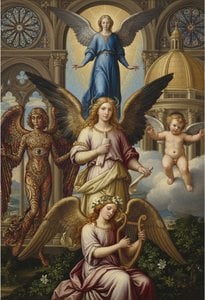
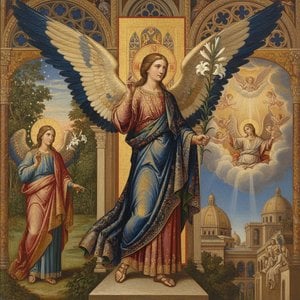
The Annunciation

Discover Titian’s "The Annunciation" (1557), a Baroque masterpiece! Explore its dramatic lighting, dynamic composition & rich colors of this Venetian painting.

اكتشف الفنان الأمريكي تيتيان رامزي بيل الثاني (1799-1885)، الذي مزج بين الفن النهضاري والاهتمام العلمي. استكشف لوحاته المذهلة للحياة البرية والأعمال الدينية المستوحاة من أسلوب فناني البندقية الكلاسيكي، وشاهد كيف جسد رؤية فريدة تجمع بين التقاليد الأوروبية والهوية الأمريكية.

نسخة زيتية مصنوعة يدوياً

لوحة زيتية مرسومة يدوياً على الكانفاس بالمقاس والإطار الذي تفضله، تُنفذ حسب الطلب على أيدي فنانينا. ( التبديل إلى المطبوعات التحويل إلى الصورة الرقمية)

Corner sample of the P118B picture frame: بوليسترين مُشكّل, 5 cm wide and 3 cm thick
P118B E£10
Corner sample of the P118H picture frame: بوليسترين مُشكّل, 5 cm wide and 3 cm thick
P118H E£10
Corner sample of the P118W picture frame: بوليسترين مُشكّل, 5 cm wide and 3 cm thick
P118W E£10
Corner sample of the P438Z picture frame: بوليسترين مُشكّل, 5.5 cm wide and 3.5 cm thick
P438Z E£10
Corner sample of the P508JH picture frame: بوليسترين مُشكّل, 7 cm wide and 3.5 cm thick
P508JH E£12
Corner sample of the P508YH picture frame: بوليسترين مُشكّل, 7 cm wide and 3.5 cm thick
P508YH E£12
Corner sample of the P805H picture frame: بوليسترين مُشكّل, 5 cm wide and 3.5 cm thick
P805H E£10
Corner sample of the P805Z picture frame: بوليسترين مُشكّل, 5 cm wide and 3.5 cm thick
P805Z E£10
Corner sample of the P919BZ picture frame: بوليسترين مُشكّل, 7 cm wide and 3.5 cm thick
P919BZ E£10
Corner sample of the P919G picture frame: بوليسترين مُشكّل, 7 cm wide and 3.5 cm thick
P919G E£10
Corner sample of the P919XJ picture frame: بوليسترين مُشكّل, 7 cm wide and 3.5 cm thick
P919XJ E£10
Corner sample of the P959ZH picture frame: بوليسترين مُشكّل, 5 cm wide and 3 cm thick
P959ZH E£10
Corner sample of the P968JZ picture frame: بوليسترين مُشكّل, 6 cm wide and 4 cm thick
P968JZ E£12
Corner sample of the W106C picture frame: خشب طبيعي صلب, 5 cm wide and 3 cm thick
W106C E£8
Corner sample of the W218G picture frame: خشب طبيعي صلب, 5 cm wide and 3 cm thick
W218G E£10
Corner sample of the W218JH picture frame: خشب طبيعي صلب, 5 cm wide and 3 cm thick
W218JH E£8
Corner sample of the W218Y picture frame: خشب طبيعي صلب, 5 cm wide and 3 cm thick
W218Y E£10
Corner sample of the W307PJ picture frame: خشب طبيعي صلب, 6 cm wide and 3 cm thick
W307PJ E£10
Corner sample of the W316G picture frame: خشب طبيعي صلب, 6 cm wide and 3 cm thick
W316G E£10
Corner sample of the W316PJ picture frame: خشب طبيعي صلب, 6 cm wide and 3 cm thick
W316PJ E£8
Corner sample of the W316Y picture frame: خشب طبيعي صلب, 6 cm wide and 3 cm thick
W316Y E£10
Corner sample of the W398PJ picture frame: خشب طبيعي صلب, 5 cm wide and 3 cm thick
W398PJ E£8
Corner sample of the W4111J picture frame: خشب طبيعي صلب, 6.5 cm wide and 3.5 cm thick
W4111J E£10
Corner sample of the W500HY picture frame: خشب طبيعي صلب, 7 cm wide and 5 cm thick
W500HY E£15
Corner sample of the W500JH picture frame: خشب طبيعي صلب, 7 cm wide and 5 cm thick
W500JH E£15
Corner sample of the W692G picture frame: خشب طبيعي صلب, 8 cm wide and 4 cm thick
W692G E£12
Corner sample of the W849H picture frame: خشب طبيعي صلب, 5 cm wide and 3 cm thick
W849H E£8
Corner sample of the W940BG picture frame: خشب طبيعي صلب, 7.5 cm wide and 4.5 cm thick
W940BG E£15
Corner sample of the W953PJ picture frame: خشب طبيعي صلب, 6 cm wide and 3.5 cm thick
W953PJ E£8

مقاس قياسي
مخصص
CM
INCH

اختر من بين أحجامنا المُعدّة مسبقاً والتي تتوافق مع النسب الأصلية للعمل الفني.

العرض
الارتفاع

أدخل العرض والارتفاع اللذين تحتاجهما، ليتناسب العمل مع إطارك أو جدارك. وبما أن هذه اللوحة مرسومة يدوياً، ففي حال اختيار مقاس بشكل مختلف، يمكن للفنان رسم مساحة إضافية حول الصورة أو تقليصها قليلاً — الخيار لك. سنرسل لك نموذجاً رقمياً تجريبياً لاعتماده قبل البدء في الرسم. علماً بأن الصورة المعروضة في هذه الصفحة لا تعكس النتيجة النهائية الحقيقية — فالنموذج التجريبي هو الوحيد الذي يوضح ذلك بدقة.

أمثلة على التعديلات الممكنة: استبدال الوجه بصورة العميل؛ إضافة حيوان أليف (مثل استبدال قطة بكلب)؛ تضمين رسالة مخفية في الخلفية؛ تغيير المناظر الطبيعية أو العناصر في الخلفية.
بعد إتمام الطلب، سيرسل فريق WahooArt.com بريداً إلكترونياً للعميل لطلب التعليمات وتزويده بمعاينة تجريبية (mockup).

توصيل عالمي إلى خلال 3 إلى 4 أسابيع بدلاً من المدة المعتادة البالغة 5 أسابيع. (24 أكتوبر). جودة لا تهاون فيها.

شحن سريع ومجاني لجميع أنحاء العالم
قماش كتان فاخر
تأمين شامل على الشحن
ضمان استرداد الرسوم الجمركية
ضمان دقة مطابقة الألوان
سياسة الإرجاع خلال 100 يوم (في حالات العيوب فقط)
ضمان استرداد نقدي بنسبة 100%
عرض خصم الكميات

إجمالي السعر

E£ 15348

The Annunciation

وسيط إعادة الإنتاج

مقاس النسخة المطبوعة

-

إجمالي السعر

E£ 15348

حقائق سريعة

  • Dimensions: 280 x 21 cm
  • Notable elements: Pyramidal comp.
  • Medium: Oil on Canvas
  • Location: Palace of Capodimonte
  • Influences: Renaissance
  • Year: 1557

اختبار المعلومات الفنية

لكل سؤال إجابة صحيحة واحدة فقط.

سؤال 1:
What artistic movement is most closely associated with ‘The Annunciation’?
سؤال 2:
The composition of 'The Annunciation' primarily utilizes which structural element?
سؤال 3:
What is the dominant color palette used in ‘The Annunciation’?
سؤال 4:
Which of the following best describes the lighting technique employed in ‘The Annunciation’?
سؤال 5:
Considering Titian Ramsay Peale II’s background and artistic influences, what is a key characteristic of his work evident in ‘The Annunciation’?

The Annunciation: A Baroque Dialogue of Grace and Revelation

Titian Ramsay Peale II’s “The Annunciation,” painted in 1557, is more than just a depiction of a pivotal biblical moment; it's a carefully constructed tableau brimming with the emotional intensity and dramatic lighting characteristic of late Renaissance – specifically, Baroque – art. This masterful work transports us to a space both sacred and subtly unsettling, inviting contemplation on themes of divine grace, human humility, and the profound mystery at the heart of faith. Peale’s interpretation diverges from purely literal representation, opting instead for a heightened emotionalism that resonates powerfully with viewers centuries later.

The scene unfolds within an undefined, almost dreamlike space – a dark void punctuated by subtle architectural elements suggesting a modest dwelling. The focus immediately draws the eye to the kneeling woman, Mary, rendered in exquisite detail. Her posture conveys both vulnerability and profound absorption; her hands clasped together, her gaze fixed upward with an expression of awe and gentle surprise. This isn’t merely a passive recipient of divine news but a figure actively engaged in a momentous encounter. The artist skillfully uses light to sculpt her form, highlighting the delicate contours of her face and emphasizing the weight of this revelation.

A Symphony of Color and Movement

Peale's palette is dominated by rich browns, deep golds, and muted reds – colors that evoke a sense of solemnity and reverence. These warm tones are juxtaposed with cooler blues and purples in the swirling clouds above, creating a dynamic interplay between earthly humility and celestial splendor. The drapery, particularly the voluminous robes of the angel, is rendered with meticulous attention to detail, utilizing layered impasto – thick applications of paint that create a tactile, almost sculptural effect. This technique not only adds depth and texture but also contributes to the overall sense of drama and movement within the composition.

The use of curved lines—particularly in the flowing drapery and the wings of the angel—is paramount to the painting’s dynamic feel. These lines guide the viewer's eye through the scene, creating a sense of continuous motion and upward aspiration. The positioning of the ascending cherubs further reinforces this feeling of ascension, symbolizing the divine presence reaching down to earth. The pyramidal composition, anchored by Mary’s kneeling form and culminating in the angel and celestial elements, provides stability while simultaneously directing the eye upwards towards the heavens.

Symbolism and Artistic Echoes

“The Annunciation” is rich in symbolic meaning. The angel, rendered with powerful wings and a commanding presence, represents divine grace and the messenger of God’s will. Mary's posture embodies humility and receptivity – she is not demanding answers but humbly accepting the extraordinary news. The architectural details, though subtly suggested, hint at the familiar setting of Nazareth, grounding the miraculous event in a tangible reality. The painting draws heavily on the artistic traditions of the High Renaissance, particularly the works of Raphael and Leonardo da Vinci, yet Peale imbues it with a distinctly Baroque sensibility – a heightened emotionalism, dramatic lighting, and an emphasis on movement and dynamism.

Furthermore, it’s important to consider Peale's lineage. As the son of Charles Willson Peale, a pivotal figure in early American art and founder of the first museum, Titian Ramsay Peale II inherited a legacy of scientific observation and artistic exploration. This influence is evident in his meticulous detail and his commitment to capturing both the beauty and the complexity of the natural world – as seen in his extensive wildlife paintings. “The Annunciation” thus represents a fascinating synthesis of High Renaissance ideals with New World sensibilities, creating an artwork that is both timelessly beautiful and deeply rooted in its historical context. It’s a powerful testament to the enduring appeal of religious iconography and the artist's ability to translate profound spiritual themes into visually arresting form.

الأسئلة والأجوبة

كيف يلتقي الأسلوب الفني مع العصر في "The Annunciation" للفنان تيتيان رامزي بيل الثاني؟

تنتمي لوحة "The Annunciation" إلى حركة Baroque، وقد أبدعها فنان عاش في عصر القرن التاسع عشر.

هل ألوان "The Annunciation" للفنان تيتيان رامزي بيل الثاني زاهية أم خافتة؟

تتميز لوحة "The Annunciation" للفنان تيتيان رامزي بيل الثاني بدرجة تشبع تبلغ Subtle Color وكثافة لونية تصل إلى Monochromatic.

هل تُعد "The Annunciation" نموذجاً لما اعتاد تيتيان رامزي بيل الثاني على إبداعه عادةً؟

من بين الثيمات المسجلة لـ تيتيان رامزي بيل الثاني - وهي titian's venetian mastery, divine grace and humility, counter-reformation piety, symbolic celestial vision, iconic annunciation depiction, key work in artist's output, emphasis on color & emotion - يركز عمل "The Annunciation" بشكل خاص على annunciation, angel, virgin mary, divine revelation, religious art, baroque painting, spiritual encounter, celestial.


نبذة عن الفنان

صدى عصر النهضة في العالم الجديد: تيتاين رامزي بيل الثاني

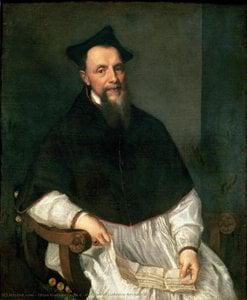
تيتاين رامزي بيل الثاني يشغل مكانة آسرة، غالبًا ما يتم تجاهلها، ضمن مشهد الفن الأمريكي في القرن التاسع عشر. ولد في فيلادلفيا عام 1799، كان غارقًا في النسب الفنية كأصغر أبناء تشارلز ويلسون بيل، وهو شخصية محورية في رسم البورتريهات الأمريكية المبكرة ومؤسس أول متحف في البلاد. بينما كانت إرث والده يلوح في الأفق، شق تيتاين طريقه الخاص، متجذرًا بعمق في مثالية الفن العالي من عصر النهضة، وخاصة تلك التي تنبعث من البندقية. لم يكن مجرد تكرار للأنماط؛ بل كان ينقل حساسية فنية عميقة، حيث أضفى على لوحاته تفاصيل دقيقة ولوحة ألوان نابضة بالحياة ميزته عن العديد من معاصريه. تطورت حياته في مواجهة خلفية الهوية الأمريكية الناشئة، لكن قلبه الفني ظل مرتبطًا بالأساتذة الكلاسيكيين، مما خلق توترًا مقنعًا بين التقدير للعالم القديم والتعبير عن العالم الجديد.

من دفتر ملاحظات الطبيعي إلى لوحة الرسم

تميزت سنوات بيل الأولى بشغف مزدوج بالفن وعلم الطبيعة - وهو مزيج عززه مساعي والده المتعددة الأوجه. رافق بعثة، ولا سيما رحلة ستيفن هاريمان لونج إلى جبال روكي عام 1819-20، حيث وثق النباتات والحيوانات بعين فنية متزايدة الدقة. لم تكن هذه الفترة مجرد تسجيل للملاحظات؛ بل كانت تتعلق بفهم الشكل والضوء والملمس - مهارات ستثبت قيمتها عندما كرس انتباهه الكامل للرسم. أثر عمله كعالم طبيعي على فنه، مما يضفي دقة علمية على تصويراته للعالم الطبيعي، ولكنه أيضًا يغمرها برنين عاطفي يتجاوز مجرد التوثيق. لم يكن يعرض علينا كيف تبدو الأشياء فحسب؛ بل كان يكشف عن جمالها المتأصل وأهميتها الروحية. هذا التفاني في كلتا التخصصين واضح في أعمال مثل "التضحية بالمال"، وهو تصوير درامي يوضح تفصيلاً رائعًا للضوء والظل، و"الجميلة"، التي تعرض قدرته على التقاط الشكل البشري والشخصية بأناقة ورقي.

تأثيرات البندقية والرؤى المقدسة

التأثير الذي أحدثه لونية البندقية - التأكيد على الألوان الغنية والمشرقة والتأثيرات الجوية التي احتفل بها فنانون مثل تيتيان (الذي أخذ اسمه منه) - لا يمكن إنكاره في أعمال بيل. لم يكن يقلد هؤلاء الأساتذة ببساطة؛ بل كان يستوعب مبادئهم ويطبقها على رؤيته الفنية الخاصة. يتضح هذا بشكل خاص في أعماله الدينية، مثل "المذبح مع أربعة قديسين" و"العبادة للحاضنات". هذه اللوحات ليست مجرد تصوير لمشاهد كتابية؛ إنها تجارب غامرة، تجذب المشاهد إلى عالم من التأمل الروحي من خلال تركيبات منظمة بعناية واستخدام رئيسي للألوان لإثارة العواطف. يتحدث الاهتمام بالتفاصيل في هذه الأعمال ليس فقط عن مهارته التقنية ولكن أيضًا عن تقديسه لموضوعه.

إعادة اكتشاف وأهمية دائمة

على مدى معظم القرن العشرين، ظل تيتاين رامزي بيل الثاني إلى حد كبير غير مكشوف عليه من السرديات التاريخية للفن. لم تتناسب أعماله بشكل أنيق مع الاتجاهات السائدة، وشعر تفانيه في أسلوب كلاسيكي بأنه متناقض في مشهد فني يتغير بسرعة. ومع ذلك، شهدت السنوات الأخيرة إعادة تقييم متزايد لمساهماته. يعترف العلماء والجامعون بدمج فريد للحساسيات الأمريكية والتقاليد الأوروبية التي تميز لوحاته. إن إعادة اكتشاف عمله لا يتعلق ببساطة بسد الثغرات في تاريخ الفن؛ بل يتعلق بفهم أعمق للقوى الثقافية المعقدة التي شكلت أمريكا في القرن التاسع عشر. يمثل بيل جسرًا بين العوالم، وهو شهادة على قوة المثل العليا الكلاسيكية، وتذكير بأن الابتكار الفني غالبًا ما ينشأ من مجموعات غير متوقعة من التأثيرات. أعماله، الموجودة الآن في مجموعات مثل WahooArt ومعرض أوفيزي وقصر بيتي، تقدم لمحة مقنعة عن زاوية مهملة في تاريخ الفن الأمريكي - زاوية مضاءة بوهج عصر النهضة المتلألئ.
تيتيان رامزي بيل الثاني

تيتيان رامزي بيل الثاني

1799 - 1885 , الولايات المتحدة الأمريكية

لمحة سريعة

  • أعمال فنية بارزة:
    • مذبح مع أربعة قديسين
    • تجلّي الرعاة
    • الجمال
    • دينار الزكاة
    • العائلة المقدسة مع راعي
    • حورية ورعاة
  • الاسم الكامل: تيتيان رامزي بيل الثاني
  • الجنسية: أمريكي
  • الحركة الفنية أو النمط: عصر النهضة العليا
  • الفنانون الذين أثروا فيه:
    • تيتيان
    • الأساتذة البندقيين
  • تاريخ الميلاد: 2 نوفمبر 1799
استكشف الأعمال الفنية المصنفة حسب الموضوعات والأنماط والخصائص.