طباعة جيكلي أو كانفاس بجودة المتاحف، مع سرعة في التنفيذ وخيارات متنوعة للتشطيب. ( شراء لوحة مرسومة يدويًا الانتقال إلى الصورة الرقمية)





























اختر من بين أحجامنا المُعدّة مسبقاً والتي تتوافق مع النسب الأصلية للعمل الفني.

أدخل العرض والارتفاع المطلوبين ليتناسب المقاس مع إطارك أو جدارك. يرجى الملاحظة أن المطبوعة يمكن قصها فقط ولا يمكن تكبيرها لتتجاوز أبعاد الصورة الأصلية، لذا فإن اختيار مقاس بأبعاد مختلفة سيؤدي إلى فقدان جزء من الصورة. سنرسل لك نموذجاً رقمياً تجريبياً لاعتماده قبل البدء في عملية الطباعة. الصورة المعروضة في هذه الصفحة لا توضح شكل القص الفعلي — النموذج التجريبي فقط هو ما يظهر ذلك بدقة.
توصيل عالمي إلى خلال أسبوعين بدلاً من المدة القياسية البالغة 4/5 أسابيع. (11 نوفمبر)
St Mark
مقاس النسخة المطبوعة
Titian Ramsay Peale II’s “St Mark” is not merely a portrait; it's a quiet invocation of the High Renaissance spirit transplanted onto American soil. The painting depicts Saint Mark, one of the Four Evangelists, rendered with a dignified composure that speaks to both his sacred role and the artist’s meticulous skill. He gazes outward, engaging the viewer with an intelligent and serene expression while holding a book – a symbol of his authorship of the Gospel. Peale's choice to portray St Mark in this manner—immersed in contemplation yet directly addressing us—creates a compelling intimacy, inviting reflection on faith, knowledge, and the enduring power of scripture.
Born into a distinguished artistic lineage as the son of Charles Willson Peale, Titian Ramsay Peale II inherited not only a name steeped in American art history but also a foundational understanding of portraiture. However, unlike his father’s focus on capturing the likenesses of prominent Americans, Peale II gravitated towards a more idealized aesthetic, deeply influenced by the Italian Renaissance masters. This is strikingly evident in “St Mark,” where the composition, use of light and shadow, and overall sense of harmony recall the works of Raphael or Titian himself – an intentional nod perhaps to his given name. Peale’s technique demonstrates a mastery of oil on panel, building form through subtle gradations of tone and employing a refined color palette that lends the painting a timeless quality. The inclusion of the two lions flanking St Mark is a direct reference to the saint's traditional iconography; these majestic creatures symbolize courage, royalty, and resurrection – attributes central to St Mark’s story and his enduring significance within Christian tradition.
While Peale II engaged with both portraiture and natural history illustration throughout his career—a testament to the breadth of his talents—his sacred works, like “St Mark,” represent a particularly compelling facet of his artistic output. These paintings offer a glimpse into a lesser-known aspect of 19th-century American art, where artists sought to emulate the grandeur and spiritual depth of European Renaissance masterpieces. For many years, Peale II’s work remained somewhat overshadowed by that of his father and other contemporaries. However, recent scholarship has begun to illuminate his unique contributions, recognizing him as a skilled and thoughtful artist who successfully blended Old World traditions with an emerging American sensibility. The rediscovery of paintings like “St Mark” allows us to appreciate the depth and complexity of Peale’s artistic vision, offering a fresh perspective on the development of art in the United States.
“St Mark” is more than just a beautiful object; it's an invitation to contemplation. The painting’s quiet dignity and spiritual resonance make it a captivating focal point for any space, lending an air of sophistication and timeless elegance. Whether displayed in a home library, a study, or a gallery setting, this work encourages viewers to pause, reflect, and connect with the enduring themes of faith, knowledge, and artistic beauty. A reproduction of “St Mark” offers not only a stunning visual experience but also a tangible link to a fascinating chapter in American art history—a testament to the power of artistic tradition and the enduring legacy of the Renaissance.
تستخدم صفحة معاينة بتقنية الواقع المعزز لعمل "St Mark" للفنان تيتيان رامزي بيل الثاني تقنية الواقع المعزز لعرض العمل الفني في مساحتك الخاصة عبر جهاز متوافق.
يُنسب العمل "St Mark" إلى تيتيان رامزي بيل الثاني.
تتشارك لوحة "St Mark" مع أعمال تيتيان رامزي بيل الثاني الأخرى أسلوبها الذي ينتمي إلى Renaissance Echo وموضوعاتها المتكررة: italian renaissance revival, faithful classical tradition, symbolic imagery & narrative, artist’s scientific pursuit, family legacy & artistic vision.

شغل تيتيان رامزي بيل الثاني مكانة فريدة وعملية في المشهد الأمريكي، حيث عمل عند نقطة التقاء مثيرة بين التوثيق العلمي والفن التشكيلي الرفيع. ولد في السابع عشر من نوفمبر عام 1799 في "فيلوسوفيكال هول" بمدينة فيلادلفيا، ولاية بنسلفانيا، وكان الابن الأصغر لكل من تشارلز ويلسون بيل وإليزابيث ديبيسر. لقد اتسمت حياته برفض قاطع للانحصار في تخصص واحد؛ فكان فناناً، وعالماً للطبيعة، ومستكشفاً، ورساماً توضيحياً علمياً، متنقلاً ببراعة بين المتطلبات الدقيقة للبحث الميداني والاحتياجات المنظمة للرسم داخل المرسم.
لم تكن مسيرته المهنية مجرد سعي وراء الجماليات المجردة، بل كانت تطبيقاً عملياً لفن الملاحظة؛ فقد قضى معظم حياته في توثيق العالم المادي، وهي مهمة تطلبت منه أن يكون تقنياً بارعاً بقدر ما هو فنان مبدع. هذه الهوية المزدوجة سمحت له بالتنقل عبر بيئات متنوعة، من الأجواء المنضبطة داخل المتاحف إلى التضاريس غير المتوقعة في البعثات الاستكشافية. وفي الثالث عشر من مارس عام 1885، رحل عن عالمنا في فيلادلفيا، تاركاً وراءه إرثاً فنياً منح الأولوية للواقع البنيوي لموضوعاته على حساب التجريد الأسلوبي.
لفهم جوهر تجربة تيتيان رامزي بيل الثاني، لا بد من إدراك الثقل التاريخي الذي يحمله اسم "بيل"؛ فقد وُلد هذا الفنان ضمن سلالة فنية وعلمية كانت بمثابة المحرك الأساسي للحياة الفنية والعلمية في أمريكا. وبصفته ابن تشارلز ويلسون بيل، الشخصية المحورية في فن رسم البورتريه الأمريكي المبكر، فقد تشكلت ملامح نشأته عند نقطة التقاء فريدة بين الفنون الجميلة وعلم الطبيعة. لم تكن طفولته هادئة بأي حال من الأحوال، بل كبر وسط عائلة مترابطة من الفنانين والمثقفين، من بينهم إخوته رافاييل، ورامبرت، وروبنز، وفرانكلين بيل. لقد كانت أصوله العائلية معقدة وغنية، حيث ضمت إخوة غير أشقاء مثل سوفونيسبا أنغوسسيولا بيل وتيتيان رامزي بيل الأول، الذي استمد الفنان اسمه منه.
أما عن مسار تدريبه، فقد كان عملياً وصارماً إلى أبعد الحدود؛ إذ لم يكن مجرد طالب يدرس الجماليات، بل كان مشاركاً فاعلاً في مشروع عائلي قائم على دقة الملاحظة. وقد انخرط أشقاؤه، بما في ذلك جيمس، وآنا كلايبول، ومارغريتا بيل، في هذه البيئة الإنتاجية المكثفة. هذا الهيكل العائلي جعل من تعليمه جزءاً لا يتجزأ من أعمال والده وإخوته، مما صقل قدرته على الرؤية من منظور مزدوج يجمع بين عين رسام البورتريه ودقة عالم الطبيعة. هذا التعليم المزدوج هو ما وضع الحجر الأساس لمسيرة مهنية استطاعت في نهاية المطاف أن تجسر الفجوة بين التوثيق العلمي الدقيق وبين سحر اللوحة الكلاسيكية.
لقد اتسمت مسيرة تيتيان رامزي بيل الثاني المهنية بالتزام راسخ بالرصد التجريبي، وهو شغف افتقر إليه الكثير من معاصريه. فلم يكتفِ بمراقبة الطبيعة من بعيد، بل انخرط بفاعلية في الاستكشافات العلمية الكبرى التي شهدها أوائل القرن التاسع عشر. بدأت رحلاته الميدانية في وقت مبكر، بما في ذلك البعثة التي انطلقت بين عامي 1817 و1818 إلى فلوريدا وجورجيا رفقة جورج أورد، وويليام ماكلور، وتوماس ساي؛ حيث أرسى هذا الانغماس المبكر في أحضان الطبيعة نهجاً قائماً على التوثيق الدقيق. وفي الفترة ما بين عامي 1819 و1820، رافق بعثة ستيفن هاريمان لونج إلى جبال الروكي والسهول الكبرى، وهي سنوات قضىها في الميدان منحت أعماله الفنية اللاحقة دقة تشريحية ونباتية مذهلة، لتكون بمثابة الركيزة التي استندت إليها محاولاته الفنية الأكثر رسمية.
وقد تعززت مكانته المهنية في الأوساط العلمية بانتخابه عضواً في الجمعية الفلسفية الأمريكية عام 1833، وهو اعتراف تزامن مع أهم مساهماته المؤسسية: دوره في بعثة الاستكشاف الأمريكية بين عامي 1838 و1842. ومن خلال عمله ككبير علماء الطبيعة في هذه البعثة، تجاوز تيتيان رامزي بيل الثاني حدود الرسم التوضيحي البسيط ليدخل عالم القيادة العلمية الفاعلة. إن قدرته الفائقة على الجسر بين المتطلبات الدقيقة لعالم الطبيعة والمهارة التقنية للرسام جعلت منه ركيزة أساسية في تلك المسوحات البحرية والبرية واسعة النطاق.
وحتى عندما تحول تركيزه نحو واجبات مهنية أخرى، ظل ارتباطه بالتسجيل المنهجي للمعلومات ثابتاً لا يتزعزع؛ فقد حافظ على حضور مستمر داخل البيروقراطية الفيدرالية، حيث عمل في مكتب براءات الاختراع بالولايات المتحدة حتى عام 1873. ويعكس هذا المشوار الطويل مسيرة مهنية بُنيت على التطبيق المنضبط للملاحظة، سواء كانت موجهة لفحص عينة في قلب الطبيعة أو لدراسة تفصيل تقني في مكتب حكومي.
تتحرك أعمال تيتيان رامزي بيل الثاني ضمن حالة من التوتر الفني الفريد، حيث تتلاقى العين الفاحصة لعالم طبيعي مع الطموحات الأسلوبية لمدرسة التلوين البندقية. لم يكتفِ بيل بالتوثيق المسطح والوظيفي الذي كان شائعاً في الرسوم التوضيحية العلمية خلال القرن التاسع عشر، بل سعى بدلاً من ذلك إلى تحقيق جودة ضوئية تحاكي تقاليد العالم القديم. وقد تجلى ذلك من خلال استخدامه المدروس للزيت، حيث كان يطبق طبقات اللون بعناية فائقة لبناء عمق مادي وبصري مذهل، معتمداً بشكل متكرر على تقنية الـ sfumato لتنعيم الحواف، وهي التقنية التي سمحت له بجسر الهوة بين الدقة التشريحية الصارمة والنعومة الجمالية التي تضفي هالة من السحر على أعماله.
كانت قدراته التقنية واسعة النطاق بشكل لافت، مما عكس مرونة فنية مكنته من التنقل بسلاسة بين عالم التفاصيل المجهرية وعالم التكوينات الصرحية الضخمة. فقد أتقن التعامل مع وسائط متعددة؛ فاستخدم الألوان المائية والغرافيت لتوثيق ملاحظاته العلمية، والزيت على القماش لتجسيد الموضوعات الدينية والميثولوجية، والطباعة الحجرية والحبر لرسومه التوضيحية. وحتى في سنواته الأخيرة، لم ينفصل عن روح العصر، حيث انخرط في تجارب فنية مع الوسيط الناشئ آنذاك وهو التصوير الفوتوغرافي كهاوٍ. هذا الاتساع التقني ضمن لموضوعاته — سواء كانت عينة نباتية دقيقة أو شخصية كلاسيكية مهيبة — أن تحتفظ بإحساس بالواقعية الهيكلية العميقة تحت غطاء من الإتقان الجمالي الفائق.
يكشف نتاج تيتيان رامزي بيل الثاني عن توتر فني ساحر يجمع بين العالم البيولوجي الملموس والبعد الإلهي المتسامي. وتتجلى موضوعاته الدينية، مثل القديس أوغسطينوس، والقديس غريغوريوس الأكبر، والعائلة المقدسة مع راعٍ، والتي أبدعها جميعاً في حوالي عام 1510، عن التزام عميق بالنماذج الكلاسيكية الرصينة؛ حيث تعتمد هذه الأعمال على الوضوح البنيوي والتماسك الشكلي بدلاً من الاعتماد على العاطفة المجردة. ولم يقلل الفنان من دقة ملاحظته عند الانتقال إلى الموضوعات الميثولوجية، كما نرى في لوحة فينوس أنادايومين التي أنتجها حوالي عام 1520، حيث تبرز دقة ملاحظته في كيفية معالجته لثنيات الأقمشة والحضور التشريحي لهذه الشخصيات. كما قدم أعمالاً غير مؤرخة لكل من القديس مرقس والقديس متى، محافظاً على هذا التركيز المستمر على الأيقونات الدينية طوال مسيرته الفنية.
إن الجانب الطبيعي في روح تيتيان رامزي بيل الثاني لم يكن مجرد اهتمام ثانوي، بل كان عدسة أساسية يرى من خلالها الوجود؛ وتظهر قدرته الفائقة على الانتقال من الفضاء اللاهوتي إلى عالم علم الطيور في لوحة خمسة من طيور البوبوايت عند فجوة ديلاوير ووتر، التي رسمها حوالي عام 1868. يتطلب هذا العمل نفس الصرامة التقنية التي ميزت لوحاته الضخمة، لكنه يسخرها هنا لتجسيد الملامس الدقيقة للحياة البرية. وحتى في مشاهده الاجتماعية أو التأملية، مثل لوحة استضافة المفضلين التي تعود لعام 1830 تقريباً، نجد انعكاساً لتطبيق مدروس للألوان يتجنب السطحية، فهو لم يكن يرسم من أجل الزينة فحسب، بل كان يرسم ليوثق ثقل وعمق موضوعاته الفنية.
إن حضور تيتيان رامزي بيل الثاني في المجموعات الفنية العالمية الكبرى يؤكد أن إرثه الفني قد تجاوز حدود القارة الأمريكية بكثير، حيث انتشرت موضوعاته الدينية والأسطورية عبر أعرق المؤسسات الفنية في أوروبا. ففي لندن، تحتضن المعرض الوطني نتاجه الفني، بينما تمتلك متحف البرادو في مدريد ومتحف كابوديمونتي في نابولي مجموعات هامة من أعماله. وتعد هذه المجموعات دليلاً قاطعاً على أن نهجه التقني في التعامل مع الضوء والشكل قد لامس المعايير الفنية الرفيعة التي كانت سائدة في أوروبا آنذاك.
ويمتد نطاق أعماله ليشمل وسط وجنوب أوروبا، حيث تجد لوحاته في متحف تاريخ الفن في فيينا وكنيسة سانتا ماريا ديلا سالوتي في البندقية. أما في هولندا، فيقوم متحف موريتشويس في لاهاي بالحفاظ على أعماله، جنباً إلى جنب مع المعرض الوطني الإسكتلندي للفن الحديث في إدنبرة، والذي يضم لوحته الشهيرة "فينوس أنادايومين". وتوفر هذه المواقع السياق التاريخي والفني اللازم لفهم كيفية تطبيقه لأسلوب التلوين البندقي الساحر على الموضوعات الكلاسيكية الخالدة.

1799 - 1885 , الولايات المتحدة
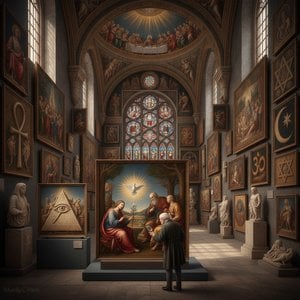
Explore the profound power of religious symbolism in art history. From Renaissance masterpieces to sacred iconography, uncover the hidden meanings behind divine details in a deep dive into classical art excellence.

Explore the luminous mastery of Titian. Discover how the Venetian master revolutionized color and light through breathtaking Renaissance techniques, from Venus Anadyomene to profound allegories, and learn to bring this timeless brilliance into your private collection.
 معاينة الحجم الواقعي
 مشاركة
 مشاركة
 التفاصيل
 دليل
دليل

 تحميل الملف
 قطع مشابهة
 الأشعة السينية
 عرض شرائح
 الأسئلة والأجوبة
 الإحصائيات


 عرض المزيد









 خيار الزجاج متاح فقط للمقاسات التي تقل عن 110 سم