


x
 شراء نسخة مطبوعة شراء الصورة بدقة عالية
 مشاركة
 التفاصيل
 أضف إلى المفضلة
 تحميل الملف
 قطع مشابهة
 الأشعة السينية
 عرض شرائح
لوحة زيتية مرسومة يدوياً على الكانفاس بالمقاس والإطار الذي تفضله، تُنفذ حسب الطلب على أيدي فنانينا.





























اختر من بين أحجامنا المُعدّة مسبقًا والتي تتطابق مع النسب الأصلية للعمل الفني.

يمكنك إدخال أبعادك الخاصة لتناسب إطارًا معينًا أو مساحة محددة. وإذا لم يتطابق الحجم الذي اخترته مع نسب الصورة الأصلية، فسنقوم إما بقص العمل الفني أو توسيع اللوحة بإضافة عناصر مرسومة يدويًا. سيتم إرسال نموذج رقمي إليك للموافقة عليه قبل بدء الإنتاج.
يرجى ملاحظة أن المعاينة على الشاشة لا تعكس عملية القص أو التوسيع الفعلية؛ حيث إن النموذج الرقمي وحده هو الذي سيوضح التكوين النهائي بدقة.
وعلى الرغم من توفر أحجام مخصصة، إلا أننا نوصي باختيار أبعاد من القائمة المحددة مسبقًا للحفاظ على النسب الأصلية للعمل الفني.
توصيل عالمي إلى خلال 3 إلى 4 أسابيع بدلاً من المدة المعتادة البالغة 5 أسابيع. (3 يوليو). جودة لا تهاون فيها.


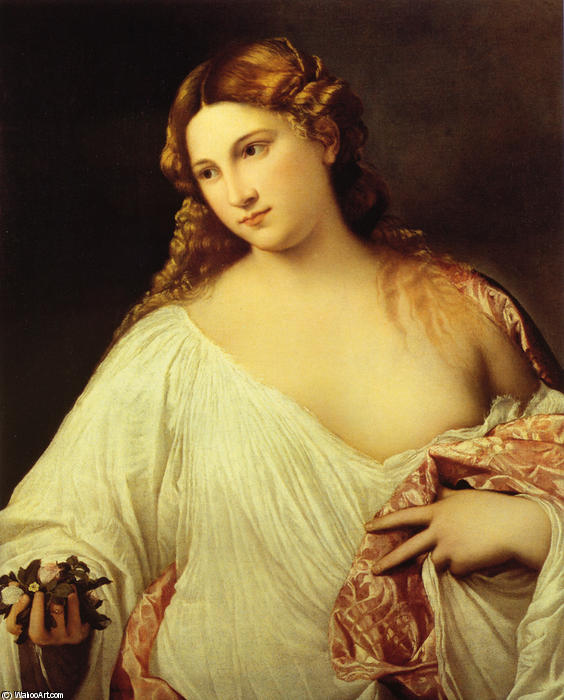
Flora
مقاس النسخة المطبوعة
Titian’s "Flora," painted in 1515, isn't merely a portrait; it’s an immersion into the heart of Renaissance Venice and a profound meditation on beauty, fertility, and the very essence of springtime. Housed within the hallowed halls of the Galleria degli Uffizi, this oil-on-canvas masterpiece continues to captivate viewers with its luminous colors, masterful composition, and the palpable sense of life emanating from the painted surface. Titian, already a rising star in Venetian art circles, used this work to establish his signature style – a bold departure from the cooler palettes favored by his predecessors, embracing instead a vibrant, almost intoxicating use of color that would define his legacy.
The subject herself is an embodiment of youthful allure. The woman, identified as Flora, the Roman goddess of flowers and spring, is depicted in a pose of serene contemplation. Her long, flowing hair cascades around her shoulders, framing a face of exquisite delicacy – high cheekbones, full lips, and eyes that seem to hold both wisdom and innocence. She wears a simple yet elegant white gown, its folds suggesting movement and grace, while holding a bouquet of flowers—a direct reference to her mythological namesake. The subtle blush on her skin hints at the burgeoning life of spring, mirroring the abundance represented by the blossoms in her hand.
Titian's genius lay not just in his subject matter but also in his revolutionary approach to oil painting. “Flora” exemplifies this perfectly. He employed a technique known as *sfumato*, blurring the lines between form and shadow, creating an ethereal quality that softens the edges of the figure and lends her face a dreamlike appearance. Notice how he builds up layers of color—thin glazes over thicker underpaintings—to achieve incredible depth and luminosity. The pink cloth in the background isn’t just a decorative element; it's strategically placed to reflect light and further enhance the painting’s overall radiance, drawing the eye towards the central figure.
The color palette itself is remarkably rich and complex. Titian masterfully blends warm reds and oranges with cool blues and greens, creating a harmonious yet dynamic visual experience. He doesn't shy away from bold contrasts, using vibrant hues to emphasize key features of the portrait – the luminosity of her skin, the delicate petals of the flowers, and the subtle shimmer in her eyes. This masterful manipulation of color is what truly elevates “Flora” beyond a simple likeness; it transforms it into an evocative representation of beauty itself.
Painted during a period of immense artistic innovation in Venice, "Flora" reflects the city’s flourishing trade and its embrace of classical ideals. The Renaissance was rediscovering the art and mythology of ancient Rome, and Titian skillfully incorporates these elements into his work. Flora, as the goddess of spring, symbolizes rebirth, fertility, and renewal – themes that resonated deeply with Venetian society at the time. The painting can be viewed as a celebration of the cyclical nature of life, mirroring the blossoming of springtime in both the natural world and the artistic realm.
Furthermore, Titian’s choice to depict Flora within a relatively intimate setting—a simple interior space—contrasts with the grand historical portraits that were popular at the time. This shift towards portraiture as a means of capturing individual character and beauty was a defining characteristic of the Venetian Renaissance, and “Flora” stands as a prime example of this trend. It’s a testament to Titian's ability to capture not just outward appearance but also an inner sense of grace and serenity.
The enduring appeal of "Flora" lies in its timeless beauty and the sheer artistry of its execution. WahooArt offers meticulously crafted, hand-painted reproductions that faithfully capture the essence of this iconic painting, allowing you to bring Titian’s vision into your own space. Our reproductions utilize traditional techniques and archival-quality materials, ensuring a lasting piece of art that will be treasured for generations to come. Explore our selection at here to discover the perfect way to experience the magic of “Flora” firsthand.


يُعد تيتشانو فيتشيلّيو، المعروف عالميًا باسم تيتيان، أحد أعظم الشخصيات في عصر النهضة الإيطالية – ربما يكون أبرع مصور للألوان وأستاذ أرسى معايير جديدة لإمكانيات الرسم بالزيت. ولد حوالي عام 1490 في بيڤي دي كادوري، الواقعة وسط المناظر الطبيعية الدرامية لجبال الألب الفينيسية، فإن رحلته من بدايات متواضعة إلى الاعتراف الدولي هي شهادة على الموهبة الهائلة والتفاني الذي لا يتزعزع في الابتكار الفني. تفاصيل الحياة المبكرة لتيتيان لا تزال غامضة بعض الشيء، لكننا نعرف أنه كان أحد أطفال جريجوريو فيتشيلّيو، وهو رجل عسكري، وزوجته لوتشيا. إدراكًا منهم لإمكانات أبنائهم، رتبت العائلة لإرسال الشاب تيتيان وشقيقه فرانسيسكو للتدريب لدى فنان في البندقية – قرار غير مسار تاريخ الفن إلى الأبد.
كانت البندقية في مطلع القرن السادس عشر مركزًا نابضًا بالحياة للتجارة والثقافة والنشاط الفني. بدأ تدريب تيتيان الأولي في ورشة سيباستيانو زوكّاتو، وهو صانع فسيفساء، يليه فترات وجيزة تحت إشراف جيليتي بيليني، والأهم من ذلك، شقيقه جيوفاني. ومع ذلك، فإن ارتباطه بجورجوني – وهو رسام فنلندي آخر يتميز بعمله بجودة شعرية أثيرية – هو الذي أثبت أنه الأكثر تشكيلاً. تعاون الفنانان في عدة مشاريع، بما في ذلك الفسيفساء الخارجية لـ "فونداكو دي تيديشي"، وهي مركز تجاري نابض بالحياة للتجار الألمان. حتى في هذه الأعمال المبكرة، كان مظهر مهارة تيتيان الاستثنائية واضحًا، مما أكسبه اعترافًا بين معاصريه وأبشر بالإبداع الذي سيأتي.
يمكن وصف التطور الفني لتيتيان بأنه تنوع ملحوظ واستكشاف مستمر لتقنيات الرسم. تعرض أعماله المبكرة، المتأثرة بشكل كبير بجورجوني، سحرًا رقيقًا واستخدامًا بارعًا للألوان لخلق تأثيرات جوية. تُظهر اللوحات مثل "رجل بأكمام منقوشة" (حوالي عام 1509) موهبته الناشئة في تصوير البالغين، فإنه يلتقط ليس فقط الشبه الجسدي لموضوعاته ولكن أيضًا شخصياتهم الداخلية. مع نضوج الفنان، بدأ تيتيان في الابتعاد عن النغمات الدقيقة لجورجوني واحتضان نهج أكثر جرأة ودرامية للألوان. يوضح "الزيارة المريمية" (الموجودة الآن في أكاديمية البندقية) هذا التحول، مع إظهار ثقته المتزايدة في التعامل مع التكوينات المعقدة والألوان النابضة بالحياة.
على مر حياته المهنية الطويلة، دفع تيتيان باستمرار حدود التعبير الفني. جرب ضربات فرشاة مختلفة – من الأسطح الممزوجة بسلاسة إلى علامات تعبيرية فضفاضة – وطور تقنية فريدة لترتيب الألوان لخلق تأثيرات مضيئة. أصبحت صورته مشهورة بعمقها النفسي وتصوير واقعي للأنسجة والأقمشة. في الوقت نفسه، تفوق في الموضوعات الأسطورية والدينية، ونفخ فيها حسًا دراميًا وكثافة عاطفية أسرت الجماهير. مثال رئيسي هو "فينوس من أوربينو"، وهي تحفة فنية أعادت تعريف تصوير العراة الأنثوية وأرست تيتيان كشخصية رائدة في الرسم الفينيسي.
جذبت موهبة تيتيان انتباه رعاة أقوياء من جميع أنحاء أوروبا. عمل كرسام رسمي للإمبراطور شارل الخامس، الملك فيليب الثاني ملك إسبانيا، وبابا بولس الثالث، من بين آخرين. لم يوفر له هذا الرعاية الأمن المالي فحسب، بل سمح له أيضًا بإنشاء أعمال ضخمة عرضت براعته الفنية على نطاق واسع. قدرته على تكييف أسلوبه مع أذواق المحاكم المختلفة مع الحفاظ على صوته المميز هي شهادة على مهاراته الاستثنائية ودبلوماسيته.
امتد تأثير أعمال تيتيان إلى ما بعد حياته، حيث ألهم الأجيال القادمة من الفنانين. لقد أثر استخدامه المبتكر للألوان وعمله الفضفاض وتركيزه على التقاط الجوهر العاطفي لموضوعاته بعمق على فنانين لا يحصى. من بيتر بول روبنز ورينبرانت إلى يوجين ديلاكروا وإدوارد ماني، استلهم العديد من الرسامين من أعماله الرئيسية. يُعتبر شخصية محورية في الانتقال من عصر النهضة العليا إلى الفترة الباروكية، ومهد الطريق لأنماط ومنهجيات فنية جديدة.
توفي تيتيان في البندقية عام 1576، تاركًا وراءه عملًا استثنائيًا لا يزال يلهم الرهبة والإعجاب. يمكن العثور على لوحاته في المتاحف حول العالم، بما في ذلك معرض بالاتينا في فلورنسا ومعرض برادو في مدريد والمعرض الوطني في لندن. إن تجربة تيتيان هي مواجهة حرفي بارع في أوج قوته – رسام يمتلك قدرة لا مثيل لها على التقاط جمال ودراما وتعقيد الحالة الإنسانية.

1490 - 1576 , إيطاليا

Explore the enigmatic world of Giorgione, a pivotal figure in the Venetian Renaissance. Discover his innovative techniques, iconic paintings like 'The Tempest', and lasting influence on art history. Learn more at WahooArt.

Explore the revolutionary techniques & enduring legacy of Titian, the master of Venetian Renaissance portraiture. Discover insights for collectors & appreciate his impact on art history.

Discover the captivating world of customized classical paintings! Explore how memes sparked a renaissance & learn to commission your own personalized portrait. Expert art consultation & museum-quality reproductions at WahooArt.

Explore the captivating world of Lorenzo Lotto, a Venetian Renaissance master renowned for his psychologically insightful portraits & enigmatic symbolism. Discover his life, style, and rediscovered legacy with WahooArt.

Transform your cherished photos into timeless oil paintings with WahooArt's expert artists. Museum-quality reproductions & custom portraits, crafted to last a lifetime. Discover the art of personal legacy.


ابقَ على اطلاع بأحدث أخبار الفن، والعروض الحصرية، وأفكار الديكور.
أخبرنا عن مشروعك، وسيقدم لك خبراؤنا الفنيون 3 اقتراحات فنية مخصصة لك.
دعنا نختار لك ٣ خيارات مخصصة تماماً - مجاناً!

 مشاركة


 عرض المزيد







 خيار الزجاج متاح فقط للمقاسات التي تقل عن 110 سم


