


طباعة جيكلي أو كانفاس بجودة المتاحف، مع سرعة في التنفيذ وخيارات متنوعة للتشطيب. ( شراء لوحة مرسومة يدويًا الانتقال إلى الصورة الرقمية)





























اختر من بين أحجامنا المُعدّة مسبقاً والتي تتوافق مع النسب الأصلية للعمل الفني.

أدخل العرض والارتفاع المطلوبين ليتناسب المقاس مع إطارك أو جدارك. يرجى الملاحظة أن المطبوعة يمكن قصها فقط ولا يمكن تكبيرها لتتجاوز أبعاد الصورة الأصلية، لذا فإن اختيار مقاس بأبعاد مختلفة سيؤدي إلى فقدان جزء من الصورة. سنرسل لك نموذجاً رقمياً تجريبياً لاعتماده قبل البدء في عملية الطباعة. الصورة المعروضة في هذه الصفحة لا توضح شكل القص الفعلي — النموذج التجريبي فقط هو ما يظهر ذلك بدقة.
توصيل عالمي إلى خلال أسبوعين بدلاً من المدة القياسية البالغة 4/5 أسابيع. (11 نوفمبر)
A Lady
مقاس النسخة المطبوعة
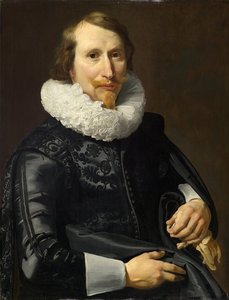
The year is 1632. Amsterdam thrives as the epicenter of the Dutch Golden Age, a period brimming with artistic innovation and opulent patronage. Within this vibrant scene emerges Thomas de Keyser, a painter whose skill lay not merely in capturing likeness but in distilling the very essence of his subjects – a talent brilliantly showcased in his captivating portrait, “A Lady.” This oil-on-oak panel painting, currently residing within the esteemed Staatliche Museen in Berlin, is more than just a depiction; it’s an invitation into a world of refined elegance and subtle psychological depth.
De Keyser's style, heavily influenced by both the meticulous detail of Flemish masters like Anthony van Dyck and the dramatic lighting favored by Rembrandt, results in a remarkably lifelike portrayal. The lady before us is presented with a poise that speaks volumes – her posture relaxed yet undeniably regal, her gaze direct and engaging. Notice how De Keyser masterfully employs chiaroscuro, the masterful use of light and shadow, to sculpt the figure, drawing attention to her face and hands while subtly enveloping the background in a veil of mystery. The dark interior, punctuated by the warm glow emanating from an unseen window, creates a sense of intimacy and draws the viewer into the scene.
A closer examination reveals a wealth of detail that speaks volumes about the era. The lady’s attire is a testament to the fashion of 17th-century Holland – a black bodice adorned with intricate gold trim and delicate lace, suggesting both wealth and status. The elaborate headwear, a white ruff collar framing a dark hat embellished with what appear to be feathers or decorative elements, further emphasizes her position within society. These aren’t merely decorative choices; they are carefully selected symbols of power, refinement, and social standing.
The background, far from being mere decoration, plays an integral role in the painting's narrative. The dark room, with its wooden floor featuring a subtle checkered pattern, evokes a sense of luxury and opulence – a space designed for contemplation and quiet enjoyment. The glimpse of a red velvet drape hints at hidden treasures and adds a touch of dramatic flair. De Keyser’s brushwork is remarkably precise, particularly evident in the rendering of the lace and the folds of the fabric. He utilizes layering techniques to create texture and depth, ensuring that every element contributes to the overall sense of realism.
Understanding “A Lady” requires a glimpse into the context of its creation. Thomas de Keyser was a prominent figure in the Dutch art world during this period, renowned for his portraits and genre scenes commissioned by wealthy merchants and nobility. His work reflects the prosperity and cultural flourishing of the Netherlands – a nation at the forefront of artistic innovation and trade. The painting offers a fascinating window into the lives of the elite, revealing their values, aspirations, and aesthetic sensibilities.
Furthermore, De Keyser’s connection to Hendrick de Keyser, his father—a celebrated architect and sculptor who shaped Amsterdam's skyline—provides an intriguing layer of familial legacy. This lineage undoubtedly influenced Thomas’s artistic development, imbuing his work with a sense of technical mastery and architectural awareness. The painting stands as a testament not only to De Keyser’s individual talent but also to the enduring influence of his family’s artistic heritage.
Today, “A Lady” continues to captivate viewers with its timeless beauty and psychological depth. WahooArt offers meticulously crafted hand-painted reproductions that faithfully capture the essence of De Keyser's masterpiece. These reproductions are not mere copies; they are artistic interpretations imbued with the same attention to detail, technique, and emotional resonance as the original. Whether adorning a grand salon or a more intimate space, a reproduction of “A Lady” brings a touch of Dutch Golden Age elegance and sophistication to any setting.
For those seeking further information on Thomas de Keyser and his remarkable oeuvre, we encourage you to explore resources such as WahooArt.com and the Staatliche Museen in Berlin’s website. And for a deeper dive into the life and works of this pivotal artist, Wikipedia offers a comprehensive overview of his biography and artistic contributions.
تتوفر النسخ المرسومة يدوياً من "A Lady" للفنان توماس دي كايزر للبيع عبر هذا الموقع: نسخة زيتية مرسومة يدوياً على قماش الكتان، ويمكن طلبها من خلال صفحة نسخة زيتية مرسومة يدوياً.
تندرج لوحة "A Lady" ضمن النتاج الفني لـ توماس دي كايزر، حيث تجسد أسلوب Dutch Golden Age وتستعرض موضوعات rembrandt influence, dutch realism, courtly life, social status, wealthy elite, patronage system, portraiture tradition, idealized beauty.
تجسد لوحة "A Lady" نبرة عاطفية Reflective تنتمي إلى حركة Dutch Golden Age.

في القلب النابض والمزدحم لمدينة أمستردام في القرن السابع عشر، تلك الحقبة التي اتسمت بازدهار غير مسبوق وازدهار ثقافي فريد، برز توماس دي كايزر كقوة لا يستهان بها في عالم فن البورتريه. ولد دي كايزر عام 1596 في بيئة غارقة في العظمة المعمارية، فهو ابن المعماري الأسطوري هيندريك دي كايزر، الذي رسمت يداه ملامح أفق أمستردام. لم يكن هذا النسب الحرفي مجرد اسم عريق فحسب، بل منح الفتى فهماً تأسيسياً للبنية والفضاء والحضور المادي للأشياء، وهو ما حدد لاحقاً نهجه في تجسيد الهيئة البشرية. ومن خلال نشأته بين ساحات الأحجار على ضفاف نهر أمستل، انغمس دي كايزر في عالم ارتبط فيه الفن بالعمارة ارتباطاً وثيقاً، مما صقل لديه دقة تقنية أصبحت بصمته المميزة.
وقد تبلورت رحلته الفنية بشكل أكبر من خلال التدريب الرسمي على يد كورنيليس فان دير فورت، وهو تعليم عرفه بالمبادئ الإنسانية وتقنيات التكوين المتطورة في عصره. ومع نضجه، بدأ أسلوب دي كايزر يندمج ليصبح شيئاً متميزاً حقاً؛ جسراً يربط بين التفاصيل الدقيقة لعصر النهضة المتأخر والحدة النفسية والدرامية لحركة الباروك الناشئة. وبينما أظهرت أعماله المبكرة اهتماماً شديداً بالأناقة الرسمية لأسلافه، سرعان ما طور قدرة فائقة على التقاط الواقع المعاش لموضوعاته، متجاوزاً مجرد التشابه الشكلي ليلامس الجوهر الحقيقي لشخصياتهم.
لفهم عبقرية دي كايزر، يجب على المرء أن يتأمل العلاقة المعقدة بين أعماله وأعمال ريمبرانت فان راين. فغالباً ما يُوصف دي كايزر بأنه معاصر شارك الروح الثورية لذلك العصر، حيث عكست طريقته في التعامل مع الضوء والظل — وهو أسلوب الـ chiaroscuro الشهير — الابتكارات الدرامية التي تبناها ريمبرانت. ومع ذلك، امتلك دي كايزر وضوحاً فريداً؛ فبينما قد يذيب ريمبرانت الشكل في ظلال عميقة وغامضة، كان دي كايزر يحافظ غالباً على حدة الخطوط وجودة مضيئة في ملامس أسطحه. لقد كان سيد الملمس، حيث جسد اللمعان الثقيل للحرير، والأنماط المعقدة للدانتيل، والجلد المتجعد بدقة متناهية لتاجر مسن، بدقة تكاد تكون علمية.
هذا الالتزام بالواقعية جعله الرسام المفضل للطبقة التجارية الصاعدة في الجمهورية الهولندية. إن قدرته على موازنة هيبة جلوس الشخصيات أمامه مع إحساس عميق بالحقيقة النفسية سمحت له بابتكار أعمال كانت بمثابة رموز للمكانة الاجتماعية ودراسات شخصية حميمة في آن واحد. وفي لوحاته الجماعية، أظهر قدرة استثنائورية على تنظيم التكوينات المعقدة للشخصيات، مما يضمن احتفاظ كل فرد بهويته المتميزة مع المساهمة في سردية متماسكة من الفخر المدني الجماعي. ولم تكن ضربات فرشاته، رغم دقتها، جامدة أبداً؛ بل ثمة حيوية إيقاعية في تكويناته تبث الحياة في اللحظات المتجمدة من القرن السابع عشر.
تتجاوز إنجازات توماس دي كايزر حدود اللوحة، لتمثل فصلاً حيوياً في تاريخ فن شمال أوروبا. فقد تزامنت مسيرته مع ذروة العصر الذهبي الهولندي، وهي الفترة التي كانت فيها هولندا تؤكد هويتها من خلال التجارة والعلوم والفنون. ومن خلال توثيق وجوه هذا العصر — من الأعيان الأثرياء إلى القادة المدنيين المؤثرين — قدم سجلاً بصرياً لمجتمع يمر بمرحلة انتقالية. وتعمل أعماله كنافذة على التسلسل الهرمي الاجتماعي، والأزياء، والقيم في عصر تميز بالقوة البحرية والاجتهاد البروتستانتي.
وخلال حياته وإرثه، تبرز عدة عناصر أساسية تحدد مساهمته في عالم الفن:
وعلى الرغم من أن التاريخ يضعه أحياناً في ظل ريمبرانت، إلا أن أهمية دي كايزر تظل ثابتة لا تنقص. لم يكن مجرد مقلد للعظمة، بل كان رائداً في حد ذاته، حيث قدم بصمة خاصة من الوضوح والأناقة الهيكلية للتقليد الهولندي. واليوم، لا تزال أعماله تأسر الباحثين وعشاق الفن على حد سواء، واقفة كشهادات خالدة على سيد استطاع التقاط البهاء الخارجي والروح الداخلية لعصره.
1596 - 1667 , هولندا

Embark on a sophisticated journey through the Dutch Golden Age. Unveil the dramatic brilliance of Rembrandt’s chiaroscuro and the expressive landscapes of 17th-century masters in this authoritative exploration of light, shadow, and enduring artistic legacy.
 معاينة الحجم الواقعي
 مشاركة
 مشاركة
 التفاصيل
 دليل
دليل

 تحميل الملف
 قطع مشابهة
 الأشعة السينية
 عرض شرائح
 الأسئلة والأجوبة
 الإحصائيات


 عرض المزيد









 خيار الزجاج متاح فقط للمقاسات التي تقل عن 110 سم


