معاينة الحجم الواقعي معاينة بالواقع المعزز اطلب نسخة مرسومة يدويًا التحويل إلى الصورة الرقمية إرسال
عرض التفاصيل دليل الأعمال الفنية للطلاب أضف إلى المفضلة تحميل قطع مشابهة الأشعة السينية عرض شرائح متتابع الإحصائيات

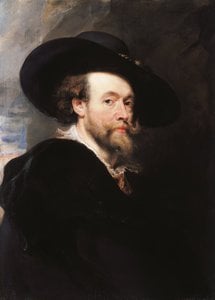
تأليف ذاتي

استمتع بتأليف روبنز الأيقوني لعام 1623! تحفة باروكية تبرز مهارة روبنز وشخصيته، وتلقي نظرة على سياق الثقافة والتأثيرات الفنية للعصر.

بيتر بول روبنز: رسام باروكي هولندي شهير، اشتهر بلوحاته الديناميكية والألوان الزاهية مثل "النزول عن الصليب". أثر كبير في الفن الأوروبي وأحد أهم رموز عصر الباروك.

طباعة جيلي / مطبوعات فنية

طباعة جيكلي أو كانفاس بجودة المتاحف، مع سرعة في التنفيذ وخيارات متنوعة للتشطيب. ( اطلب نسخة مرسومة يدويًا التحويل إلى الصورة الرقمية)

Corner sample of the P118B picture frame: بوليسترين مُشكّل, 5 cm wide and 3 cm thick
P118B E£10
Corner sample of the P118H picture frame: بوليسترين مُشكّل, 5 cm wide and 3 cm thick
P118H E£10
Corner sample of the P118W picture frame: بوليسترين مُشكّل, 5 cm wide and 3 cm thick
P118W E£10
Corner sample of the P438Z picture frame: بوليسترين مُشكّل, 5.5 cm wide and 3.5 cm thick
P438Z E£10
Corner sample of the P508JH picture frame: بوليسترين مُشكّل, 7 cm wide and 3.5 cm thick
P508JH E£12
Corner sample of the P508YH picture frame: بوليسترين مُشكّل, 7 cm wide and 3.5 cm thick
P508YH E£12
Corner sample of the P805H picture frame: بوليسترين مُشكّل, 5 cm wide and 3.5 cm thick
P805H E£10
Corner sample of the P805Z picture frame: بوليسترين مُشكّل, 5 cm wide and 3.5 cm thick
P805Z E£10
Corner sample of the P919BZ picture frame: بوليسترين مُشكّل, 7 cm wide and 3.5 cm thick
P919BZ E£10
Corner sample of the P919G picture frame: بوليسترين مُشكّل, 7 cm wide and 3.5 cm thick
P919G E£10
Corner sample of the P919XJ picture frame: بوليسترين مُشكّل, 7 cm wide and 3.5 cm thick
P919XJ E£10
Corner sample of the P959ZH picture frame: بوليسترين مُشكّل, 5 cm wide and 3 cm thick
P959ZH E£10
Corner sample of the P968JZ picture frame: بوليسترين مُشكّل, 6 cm wide and 4 cm thick
P968JZ E£12
Corner sample of the W106C picture frame: خشب طبيعي صلب, 5 cm wide and 3 cm thick
W106C E£8
Corner sample of the W218G picture frame: خشب طبيعي صلب, 5 cm wide and 3 cm thick
W218G E£10
Corner sample of the W218JH picture frame: خشب طبيعي صلب, 5 cm wide and 3 cm thick
W218JH E£8
Corner sample of the W218Y picture frame: خشب طبيعي صلب, 5 cm wide and 3 cm thick
W218Y E£10
Corner sample of the W307PJ picture frame: خشب طبيعي صلب, 6 cm wide and 3 cm thick
W307PJ E£10
Corner sample of the W316G picture frame: خشب طبيعي صلب, 6 cm wide and 3 cm thick
W316G E£10
Corner sample of the W316PJ picture frame: خشب طبيعي صلب, 6 cm wide and 3 cm thick
W316PJ E£8
Corner sample of the W316Y picture frame: خشب طبيعي صلب, 6 cm wide and 3 cm thick
W316Y E£10
Corner sample of the W398PJ picture frame: خشب طبيعي صلب, 5 cm wide and 3 cm thick
W398PJ E£8
Corner sample of the W4111J picture frame: خشب طبيعي صلب, 6.5 cm wide and 3.5 cm thick
W4111J E£10
Corner sample of the W500HY picture frame: خشب طبيعي صلب, 7 cm wide and 5 cm thick
W500HY E£15
Corner sample of the W500JH picture frame: خشب طبيعي صلب, 7 cm wide and 5 cm thick
W500JH E£15
Corner sample of the W692G picture frame: خشب طبيعي صلب, 8 cm wide and 4 cm thick
W692G E£12
Corner sample of the W849H picture frame: خشب طبيعي صلب, 5 cm wide and 3 cm thick
W849H E£8
Corner sample of the W940BG picture frame: خشب طبيعي صلب, 7.5 cm wide and 4.5 cm thick
W940BG E£15
Corner sample of the W953PJ picture frame: خشب طبيعي صلب, 6 cm wide and 3.5 cm thick
W953PJ E£8

مقاس قياسي
مخصص
CM
INCH

اختر من بين أحجامنا المُعدّة مسبقاً والتي تتوافق مع النسب الأصلية للعمل الفني.

العرض
الارتفاع

أدخل العرض والارتفاع اللذين تحتاجهما، ليتناسب مع إطارك أو جدارك. يمكن قص المطبوعة فقط، ولا يمكن أبداً جعلها أكبر من الصورة الأصلية، لذا فإن أي مقاس بشكل مختلف سيؤدي إلى فقدان جزء من الصورة. سنرسل لك نموذجاً رقمياً تجريبياً لاعتماده قبل البدء في عملية الطباعة. الصورة المعروضة في هذه الصفحة لا توضح القص الفعلي — النموذج التجريبي فقط هو ما يظهر ذلك.

توصيل عالمي إلى خلال أسبوعين بدلاً من المدة القياسية البالغة 4/5 أسابيع. (25 أكتوبر)

شحن سريع ومجاني لجميع أنحاء العالم
قماش كتان فاخر
تأمين شامل على الشحن
ضمان استرداد الرسوم الجمركية
ضمان دقة مطابقة الألوان
سياسة الإرجاع خلال 100 يوم (في حالات العيوب فقط)
ضمان استرداد نقدي بنسبة 100%
عرض خصم الكميات

إجمالي السعر

E£ 3519

تأليف ذاتي

طباعة جيلي / مطبوعات فنية

مقاس النسخة المطبوعة

-

إجمالي السعر

E£ 3519

حقائق سريعة

  • Location: المتحف الأسترالي الوطني
  • Influences: كارافاجيو
  • Artist: بيتر بول روبنز
  • Medium: دهان زيت على قماش
  • Notable elements or techniques: إضاءة درامية، كياروسكو
  • Artistic style: واقعية عالية التفصيل

تأليف روبنز الذاتي

بيتر بول روبنز، أحد أكثر الفنانين تأثيرًا في التقاليد الباروكية الفلامانية، رسم صورة ذاتية رائعة عام ١٦٢٣. هذه اللوحة ليست مجرد انعكاس لبراعته الفنية بل نافذة على سياق الثقافة والمجتمع في تلك الحقبة، وهي شهادة على إتقانه للتقنية وفهمه العميق للنفس البشرية - تأمل بصري الهوية والطموح ضمن عظمة الباروك.

أسلوب وتكنولوجيا الرسم

تجسد صورة روبنز الذاتية أسلوب الباروك، الذي يتميز بالإضاءة الدرامية والمشاعر القوية والتفصيل العالي للواقعية. سمحت له استخدام الزيت على القماش بتكوين نسيج غني وألوانًا نابضة بالحياة، مما زاد من التأثير البصري العام للوحة بشكل ملحوظ. لاحظ التوازن الماهر بين الضوء والظل، الذي يشكل هيئة روبنز بدقة مذهلة. تساهم ضربات الإمباستو السميكة في إحساس حسي بال Bewegung والت Volumen، وتعبّر عن الحضور الجسدي والنفسي على حد سواء. يقيس حجم اللوحة ٦٢ × ٨٦ سم ويجذب الانتباه بشكل كبير.

السياق التاريخي

رُسمت هذه الصورة خلال فترة كانت روبنز في أوج حياته المهنية، بعد أن رسخ مكانته كشخصية بارزة في الفنون الأوروبية - على وجه الخصوص كرسام القصر لفيلهلم الرابع من إسبانيا وجون الأول ملك إنجلترا - وتجسد صورة روبنز الذاتية تأثيرات الثقافة في ذلك العصر، حيث استلهمت الإلهامات الكلاسيكية والدينية. كانت اللوحة بمثابة تعبير عن ثقة وعزيمة في مواجهة التحديات السياسية والاجتماعية التي واجهت أوروبا في تلك الفترة، وكان الهدف هو إبراز الإنجاز الفني وسط التعقيدات السياسية الأوروبية.

التأثيرات الفنية

لقد أثر أسلوب روبنز بعمق على فنانين مثل كارافاجيو، الذي استخدم تقنية التنمير - التباين الحاد بين الضوء والظل - لإضفاء لمسة عاطفية وإحداث تجربة بصرية لا تُنسى على روبنز، كما استلهم من أساليب الباروك التعبيرات الجسدية والميزات الحسية التي كانت سائدة في تلك الفترة، وحوّل هذه التأثيرات إلى تصويره لذاته، حيث يركز النظرة مباشرة وبدون تهاون، وهي سمة شائعة في أعمال روبنز بأكملها.

أعمال أخرى بارزة

تضم مجموعة روبنز الفنية العديد من الأعمال الرائعة التي تُظهر تنوعًا فنيًا استثنائيًا، وأبرزها صورة نيكولاس دي ريسباين، والتي تجسد قدرة روبنز على التقاط جوهرSubjects بشموخ وأناقة ودقة - مهارة اكتسبها من خلال سنوات الخبرة والملاحظة الدقيقة، وتُعرض هذه اللوحة في متحف كاسيل الدولى لأعمال الفنون في ألمانيا.

المتاحف والمجموعات

يضم المتحف الوطني الأسترالي، حيث تُعرض صورة روبنز الذاتية، مجموعة متنوعة من الأعمال الفنية التي تمثل لحظات حاسمة في تاريخ الفن الأوروبي، ويُعد متحف سانتي أليساساندرو وإيفانزينكو في بونترانيكا الإيطالي أيضًا موطنًا لأعمال فنانين مشهورين مثل لورينزو لوتو وهانس فون أهغن - فنانون استلهموا من الباروك جماليات وأسلوبًا دينيًا وعاطفيًا مماثلين.

الخلاصة

تعتبر صورة روبنز الذاتية حجر الزاوية في الفن الباروك، وهي مزيج ساحر بين المهارة التقنية والتمعّن النفسي والطموح الفني، وتُظهر هذه اللوحة قوة الإضاءة والألوان والتكوين، مما جعلها تحظى بإعجاب الجمهور حتى يومنا هذا. لأولئك الذين يرغبون في استكشاف المزيد من أعمال روبنز أو التعمق في الابتكارات الأسلوبية للباروك، تقدم تأليف روبنز الذاتي و صورة نيكولاس دي ريسباين موارد قيمة لتعزيز فهمهم لهذا الفنان الاستثنائي وإرثه الدائم.

المراجع

- بيتر بول روبنز - المتحف الوطني الأسترالي - متحف سانتي أليساساندرو وإيفانزينكو - متحف سانتي أليساساندرو وإيفانزينكو (بونترانيكا، إيطاليا) لتعزيز الفهم التاريخي والتطور الفني، استشر تاريخ الفن و فن أوروبا.

الأسئلة والأجوبة

ما هي أنواع الألوان التي يستخدمها "تأليف ذاتي"؟

تُوصف لوحة ألوان "تأليف ذاتي" للفنان بيتر بول روبنز بأنها ألوان ترابية، وهي وصف موجز لألوان العمل الفني.

ما مدى قوة التباين في "تأليف ذاتي" للفنان بيتر بول روبنز؟

يُسجل التباين بين الضوء والظلال في "تأليف ذاتي" بمستوى هادئ وساكن. ويصف التباين مدى قوة الاختلاف بين المناطق الفاتحة والمظلمة.

هل تُحفظ قطعة "تأليف ذاتي" في البلد الذي ينتمي إليه مبتكرها؟

لا - العمل الفني محفوظ خارج البلاد. وُلد بيتر بول روبنز في ألمانيا، بينما تُحفظ اللوحة الأصلية "تأليف ذاتي" في متحف في أستراليا.


نبذة عن الفنان

Sir Peter Paul Rubens: A Baroque Master!

Sir Peter Paul Rubens, a name that resonates with the very essence of Baroque dynamism, was far more than simply a painter. He was a diplomat, a scholar, and a cultural architect who fundamentally reshaped the artistic landscape of 17th-century Europe. Born in Siegen, Germany, in 1577, his early life was marked by displacement—a formative experience that would subtly permeate his later work with an undercurrent of drama and emotional depth. His father, Jan Rubens, a lawyer fleeing religious persecution for his Calvinist beliefs, uprooted the family from their native Antwerp, then under Spanish rule. This initial exile instilled in young Peter Paul a sense of resilience and adaptability, qualities that would serve him well throughout his multifaceted career. Following his father’s death in 1587, the family returned to Antwerp, where he received a humanist education before embarking on his artistic training around 1590, apprenticing under Tobias Verhaecht and Adam van Noort, honing foundational skills in drawing and painting techniques. However, it was his time with Otto van Veen that proved pivotal, exposing him to the rich legacy of Italian Renaissance art—a world he would soon embrace wholeheartedly.

The Italian Awakening and Artistic Synthesis

In 1600, Rubens embarked on a transformative journey to Italy, a pilgrimage that irrevocably shaped his artistic vision. For eight years, he immersed himself in the masterpieces of Michelangelo, Raphael, and Titian, absorbing their mastery of form, color, and composition. The influence of these Renaissance giants is readily apparent in his early Italian works, characterized by classical themes and idealized figures. Yet, Rubens didn’t merely imitate; he synthesized these influences with his own innate talent, developing a distinctive style marked by vibrant hues, dynamic compositions, and a sensuous depiction of the human form. He studied anatomy meticulously, resulting in figures that possessed both physical realism and emotional power—robust bodies imbued with life and movement. This period wasn’t solely about artistic development; it was a profound intellectual awakening, fostering a deep appreciation for classical mythology and literature which would become recurring motifs throughout his oeuvre. Upon returning to Antwerp in 1608, Rubens swiftly established himself as the leading artist of his time, receiving a flood of commissions that testified to his burgeoning reputation and solidifying his position at the forefront of Flemish art.

A Master of Many Forms: Painting Beyond Boundaries

Rubens’s artistic output was astonishingly diverse and prolific. He didn't confine himself to a single genre; instead, he excelled in history paintings, mythological scenes, portraits, landscapes, and religious works—a testament to his versatility and boundless creativity. His large-scale canvases, often intended for churches, palaces, and public spaces, were breathtaking displays of technical virtuosity and dramatic storytelling. The Descent from the Cross (c. 1616-1617) exemplifies his masterful use of light and shadow to create a scene of profound emotional intensity, drawing viewers into the heart of the narrative. The Raising of the Cross (1610-1611), with its swirling figures and dynamic composition, showcases his ability to convey movement and energy—a hallmark of his Baroque style. Even in seemingly static subjects like The Judgement of Paris (c. 1636), Rubens infused a sense of life and vitality through his vibrant color palette and sensual depiction of the human form. His technique was equally remarkable – a masterful command of oil painting, employing impasto to create texture and depth, alongside delicate glazing techniques to achieve luminous effects. He frequently employed allegorical figures and symbolic imagery, layering narratives with complex meanings that invited contemplation and interpretation.

Diplomacy, Legacy, and Enduring Influence

Rubens’s influence extended far beyond the realm of art. His diplomatic skills were highly sought after by the Southern Netherlands (modern-day Belgium), and he undertook numerous missions to England, France, and Spain, negotiating treaties and fostering political alliances—a unique dual role that afforded him a nuanced perspective on European affairs and further enhanced his reputation as a man of intellect and influence. In 1630, he married Hélène Fourment, who became both his muse and frequent subject in his paintings – her youthful beauty gracing many of his later works, embodying the sensuality and vitality that characterized his style. He continued to paint prolifically until his death in Antwerp in 1640, leaving behind a vast legacy that continues to inspire awe and admiration. His impact on subsequent generations of artists is immeasurable; painters like Anthony van Dyck, Jacob Jordaens, and Eugène Delacroix all drew inspiration from his dynamic compositions, vibrant colors, and sensuous figures. Rubens didn’t just define the Baroque style—he elevated painting to a new level of prestige and influence, solidifying Antwerp as a major center of artistic production during the 17th century. He remains, centuries later, a towering figure in the history of art, a testament to the power of human creativity and the enduring allure of Baroque splendor. ## Key Characteristics of Rubens’s Style
  • Dynamic Composition: Rubens' paintings are known for their energetic and dramatic arrangements of figures.
  • Vibrant Color Palette: He employed a rich, warm color scheme that brought his canvases to life.
  • Sensuous Figures: His depictions of the human form were characterized by fullness, vitality, and often, overt sensuality.
  • Masterful Use of Light and Shadow: Rubens skillfully manipulated light and shadow to create depth, drama, and emotional impact.
  • Allegorical Symbolism: His works frequently incorporated allegorical figures and symbolic imagery, adding layers of meaning and complexity.

بيتر بول روبنز

بيتر بول روبنز

1577 - 1640 , ألمانيا

لمحة سريعة

  • Artistic Movement Or Style: باروكي
  • Artists Or Movements Influenced By This Artist:
    • أنتوني فان ديوك
    • ياكو بوردجونس
  • Artists Who Influenced This Artist:
    • ميكائيل أنجيلوس
    • رافائيل
    • تيشان
  • Date Of Birth: 28 يونيو 1577
  • Date Of Death: 30 مايو 1640
  • Full Name: بيتر بول روبنز
  • Nationality: فلندي
  • Notable Artworks:
    • نزول المسيح من الصليب
    • رفع الصلب
  • Place Of Birth: زيغن، ألمانيا
استكشف الأعمال الفنية المصنفة حسب الموضوعات والأنماط والخصائص.