معاينة الحجم الحقيقي معاينة بالواقع المعزز اشترِ لوحة مرسومة يدويًا الانتقال إلى الصورة الرقمية مشاركة
التفاصيل الدليل أضف إلى المفضلة تحميل الملف قطع مشابهة الأشعة السينية عرض شرائح الإحصائيات

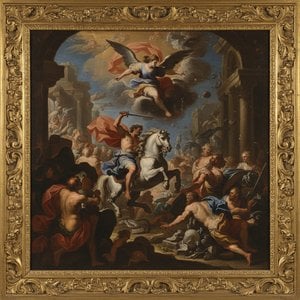
The Fall of Phaeton

Rubens' monumental 'The Fall of Phaeton' depicts Zeus hurling thunderbolts to halt Phaeton’s reckless chariot ride across the heavens—a dramatic masterpiece showcasing Baroque art.

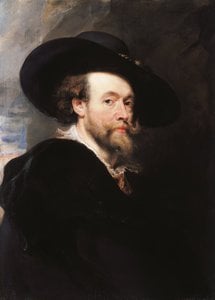
بيتر بول روبنز: رسام باروكي هولندي شهير، اشتهر بلوحاته الديناميكية والألوان الزاهية مثل "النزول عن الصليب". أثر كبير في الفن الأوروبي وأحد أهم رموز عصر الباروك.

طباعة جيلي / مطبوعات فنية

طباعة جيكلي أو كانفاس بجودة المتاحف، مع سرعة في التنفيذ وخيارات متنوعة للتشطيب. ( اشترِ لوحة مرسومة يدويًا الانتقال إلى الصورة الرقمية)

P118B $10
P118H $10
P118W $10
P438Z $10
P508JH $12
P508YH $12
P805H $10
P805Z $10
P919BZ $10
P919G $10
P919XJ $10
P959ZH $10
P968JZ $12
W106C $8
W218G $10
W218JH $8
W218Y $10
W307PJ $10
W316G $10
W316PJ $8
W316Y $10
W398PJ $8
W4111J $10
W500HY $15
W500JH $15
W692G $12
W849H $8
W940BG $15
W953PJ $8

قياسي
حسب الطلب
CM
INCH

اختر من بين أحجامنا المُعدّة مسبقًا والتي تتطابق مع النسب الأصلية للعمل الفني.

العرض
الارتفاع

يمكنك إدخال أبعادك الخاصة لتناسب إطاراً أو مساحة معينة. وإذا لم يتطابق الحجم الذي اخترته مع نسب الصورة الأصلية، فسنقوم إما بقص العمل الفني أو تمديد الصورة باستخدام حافة معكوسة أو بلون مصمت. سيتم إرسال نموذج تجريبي رقمي لاعتمادك قبل بدء الإنتاج.
يرجى ملاحظة أن المعاينة على الشاشة لا تعكس عملية القص أو التمديد الفعلية؛ حيث سيوضح النموذج التجريبي فقط التكوين النهائي بدقة.
وعلى الرغم من توفر أحجام مخصصة، إلا أننا نوصي باختيار أبعاد من القائمة المحددة مسبقاً للحفاظ على النسب الأصلية.

توصيل عالمي إلى خلال أسبوعين بدلاً من المدة القياسية البالغة 4/5 أسابيع. 21 سبتمبر

why_choose_icon
شحن سريع ومجاني لجميع أنحاء العالم
why_choose_icon
قماش كتان عالي الجودة
why_choose_icon
تأمين شحن شامل
why_choose_icon
ضمان استرداد الرسوم الجمركية
why_choose_icon
ضمان مطابقة الألوان الحقيقية
why_choose_icon
سياسة الإرجاع خلال 100 يوم (في حالات العيوب فقط)
why_choose_icon
ضمان استرداد نقدي بنسبة 100%
why_choose_icon
خصم عند طلب عدة قطع

إجمالي السعر

$ 68

reproduction

The Fall of Phaeton

طباعة جيلي / مطبوعات فنية

مقاس النسخة المطبوعة

-

السعر الإجمالي النهائي

$ 68

معلومات سريعة

  • Influences: Caravaggio
  • Year: 1604–1605
  • Dimensions: 28.1×27.5 cm
  • Title: The Fall of Phaeton
  • Subject or theme: Mythology; Classical tale
  • Artistic style: Dramatic lighting; Intense emotions; Energetic movement
  • Artist: Peter Paul Rubens

اختبار الفنون

يوجد إجابة صحيحة واحدة فقط لكل سؤال.

سؤال 1:
What is the primary subject matter of ‘The Fall of Phaeton’?
سؤال 2:
Which artistic technique is prominently employed in ‘The Fall of Phaeton’, as exemplified by Rubens?
سؤال 3:
Rubens’s depiction of Phaeton's chariot emphasizes what aspect of Baroque art?
سؤال 4:
‘The Fall of Phaeton’ was created during which artistic period?
سؤال 5:
What is the significance of the horse figures in ‘The Fall of Phaeton’?

The Fall of Phaeton by Sir Peter Paul Rubens

Rubens’s *The Fall of Phaeton*, completed in 1604–5 during his Roman apprenticeship, stands as a cornerstone of Baroque art—a testament to Rubens's mastery of dramatic composition and masterful use of color. It captures the essence of Ovid’s myth of Phaeton, son of Helios (the sun god) and Eos (the goddess of dawn), who recklessly drove his father’s chariot across the celestial sphere, endangering humanity and ultimately succumbing to divine retribution. This painting transcends mere narrative; it embodies a profound exploration of theological allegory and psychological complexity—themes central to Rubens's artistic vision during the Counter-Reformation.
  • Composition & Style: The canvas is dominated by a dynamic diagonal oval, framing the chaotic scene with an unsettling grandeur. Rubens employs *tenebrism*, a technique pioneered by Caravaggio, utilizing stark contrasts between light and dark to heighten emotional impact and create a palpable sense of drama. This dramatic lighting emphasizes the horror on Phaeton’s face and the terrified expressions of the horses and attendants—a deliberate strategy to convey the terror of divine judgment.
  • Figures & Narrative: Rubens meticulously portrays Phaeton, his son Helios, and several horses in positions that underscore the narrative's unfolding drama. The central figure of Phaeton is depicted as a young man overwhelmed by despair, highlighting the consequences of hubris—excessive pride—a moral lesson rooted in Christian theology. Surrounding him are attendants who attempt to restrain Phaeton’s actions, mirroring humanity’s futile efforts to avert catastrophe.
  • Symbolism & Color Palette: Rubens imbues the painting with rich symbolism reflecting classical mythology and Christian beliefs. The celestial bands—representing the heavens—are disrupted by Zeus's thunderbolts, symbolizing divine intervention and punishment. The butterfly winged Horae embody the seasons and react in terror as Phaeton’s chariot plunges toward the abyss—a visual representation of mortality and the inevitable triumph of God over earthly folly. Rubens utilizes a vibrant color palette—dominated by reds, yellows, and blues—to amplify emotional intensity and convey the grandeur of the celestial realm.
  • Technique: Rubens's masterful brushwork contributes to the painting’s textural richness and dynamism. He employs impasto—thickly applied paint—creating palpable surface irregularities that heighten visual interest and reinforce the sense of movement. The artist meticulously renders details—such as Phaeton’s clothing and facial expressions—with remarkable precision, demonstrating his unparalleled skill in capturing human anatomy and psychological nuance.
  • Historical Context: Created during Rubens's formative years in Rome—a period marked by papal patronage and artistic innovation—*The Fall of Phaeton* exemplifies the Baroque aesthetic’s preoccupation with grandeur, emotion, and theological allegory. It reflects the Counter-Reformation’s desire to inspire piety and reaffirm Christian dogma through art—a mission that Rubens embraced wholeheartedly.
Availability at WahooArt: For those seeking a stunning reproduction of this masterpiece, *The Fall of Phaeton* is available at WahooArt. This online company specializes in handmade oil paintings reproductions and prints on canvas of famous artworks, including masterpieces from the National Gallery of Art (Washington, United States). Explore the beauty and power of Rubens’s vision—a timeless testament to artistic brilliance.

السيرة الذاتية للفنان

Sir Peter Paul Rubens: A Baroque Master!

Sir Peter Paul Rubens, a name that resonates with the very essence of Baroque dynamism, was far more than simply a painter. He was a diplomat, a scholar, and a cultural architect who fundamentally reshaped the artistic landscape of 17th-century Europe. Born in Siegen, Germany, in 1577, his early life was marked by displacement—a formative experience that would subtly permeate his later work with an undercurrent of drama and emotional depth. His father, Jan Rubens, a lawyer fleeing religious persecution for his Calvinist beliefs, uprooted the family from their native Antwerp, then under Spanish rule. This initial exile instilled in young Peter Paul a sense of resilience and adaptability, qualities that would serve him well throughout his multifaceted career. Following his father’s death in 1587, the family returned to Antwerp, where he received a humanist education before embarking on his artistic training around 1590, apprenticing under Tobias Verhaecht and Adam van Noort, honing foundational skills in drawing and painting techniques. However, it was his time with Otto van Veen that proved pivotal, exposing him to the rich legacy of Italian Renaissance art—a world he would soon embrace wholeheartedly.

The Italian Awakening and Artistic Synthesis

In 1600, Rubens embarked on a transformative journey to Italy, a pilgrimage that irrevocably shaped his artistic vision. For eight years, he immersed himself in the masterpieces of Michelangelo, Raphael, and Titian, absorbing their mastery of form, color, and composition. The influence of these Renaissance giants is readily apparent in his early Italian works, characterized by classical themes and idealized figures. Yet, Rubens didn’t merely imitate; he synthesized these influences with his own innate talent, developing a distinctive style marked by vibrant hues, dynamic compositions, and a sensuous depiction of the human form. He studied anatomy meticulously, resulting in figures that possessed both physical realism and emotional power—robust bodies imbued with life and movement. This period wasn’t solely about artistic development; it was a profound intellectual awakening, fostering a deep appreciation for classical mythology and literature which would become recurring motifs throughout his oeuvre. Upon returning to Antwerp in 1608, Rubens swiftly established himself as the leading artist of his time, receiving a flood of commissions that testified to his burgeoning reputation and solidifying his position at the forefront of Flemish art.

A Master of Many Forms: Painting Beyond Boundaries

Rubens’s artistic output was astonishingly diverse and prolific. He didn't confine himself to a single genre; instead, he excelled in history paintings, mythological scenes, portraits, landscapes, and religious works—a testament to his versatility and boundless creativity. His large-scale canvases, often intended for churches, palaces, and public spaces, were breathtaking displays of technical virtuosity and dramatic storytelling. The Descent from the Cross (c. 1616-1617) exemplifies his masterful use of light and shadow to create a scene of profound emotional intensity, drawing viewers into the heart of the narrative. The Raising of the Cross (1610-1611), with its swirling figures and dynamic composition, showcases his ability to convey movement and energy—a hallmark of his Baroque style. Even in seemingly static subjects like The Judgement of Paris (c. 1636), Rubens infused a sense of life and vitality through his vibrant color palette and sensual depiction of the human form. His technique was equally remarkable – a masterful command of oil painting, employing impasto to create texture and depth, alongside delicate glazing techniques to achieve luminous effects. He frequently employed allegorical figures and symbolic imagery, layering narratives with complex meanings that invited contemplation and interpretation.

Diplomacy, Legacy, and Enduring Influence

Rubens’s influence extended far beyond the realm of art. His diplomatic skills were highly sought after by the Southern Netherlands (modern-day Belgium), and he undertook numerous missions to England, France, and Spain, negotiating treaties and fostering political alliances—a unique dual role that afforded him a nuanced perspective on European affairs and further enhanced his reputation as a man of intellect and influence. In 1630, he married Hélène Fourment, who became both his muse and frequent subject in his paintings – her youthful beauty gracing many of his later works, embodying the sensuality and vitality that characterized his style. He continued to paint prolifically until his death in Antwerp in 1640, leaving behind a vast legacy that continues to inspire awe and admiration. His impact on subsequent generations of artists is immeasurable; painters like Anthony van Dyck, Jacob Jordaens, and Eugène Delacroix all drew inspiration from his dynamic compositions, vibrant colors, and sensuous figures. Rubens didn’t just define the Baroque style—he elevated painting to a new level of prestige and influence, solidifying Antwerp as a major center of artistic production during the 17th century. He remains, centuries later, a towering figure in the history of art, a testament to the power of human creativity and the enduring allure of Baroque splendor. ## Key Characteristics of Rubens’s Style
  • Dynamic Composition: Rubens' paintings are known for their energetic and dramatic arrangements of figures.
  • Vibrant Color Palette: He employed a rich, warm color scheme that brought his canvases to life.
  • Sensuous Figures: His depictions of the human form were characterized by fullness, vitality, and often, overt sensuality.
  • Masterful Use of Light and Shadow: Rubens skillfully manipulated light and shadow to create depth, drama, and emotional impact.
  • Allegorical Symbolism: His works frequently incorporated allegorical figures and symbolic imagery, adding layers of meaning and complexity.

بيتر بول روبنز

بيتر بول روبنز

1577 - 1640 , ألمانيا

حقائق سريعة

  • Artistic Movement Or Style: باروكي
  • Artists Or Movements Influenced By This Artist:
    • أنتوني فان ديوك
    • ياكو بوردجونس
  • Artists Who Influenced This Artist:
    • ميكائيل أنجيلوس
    • رافائيل
    • تيشان
  • Date Of Birth: 28 يونيو 1577
  • Date Of Death: 30 مايو 1640
  • Full Name: بيتر بول روبنز
  • Nationality: فلندي
  • Notable Artworks:
    • نزول المسيح من الصليب
    • رفع الصلب
  • Place Of Birth: زيغن، ألمانيا
استكشف الأعمال الفنية المصنفة حسب الموضوعات والأنماط والخصائص.