استشارة فنية مجانية

x
اطلب نسخة مرسومة يدوياً اطلب نسخة مرسومة يدوياًشراء الصورة بدقة عالية شراء الصورة بدقة عالية مشاركةمشاركة
التفاصيلالتفاصيل أضف إلى المفضلة أضف إلى المفضلة تحميل الملفتحميل الملف قطع مشابهةقطع مشابهة الأشعة السينيةالأشعة السينية عرض شرائحعرض شرائح

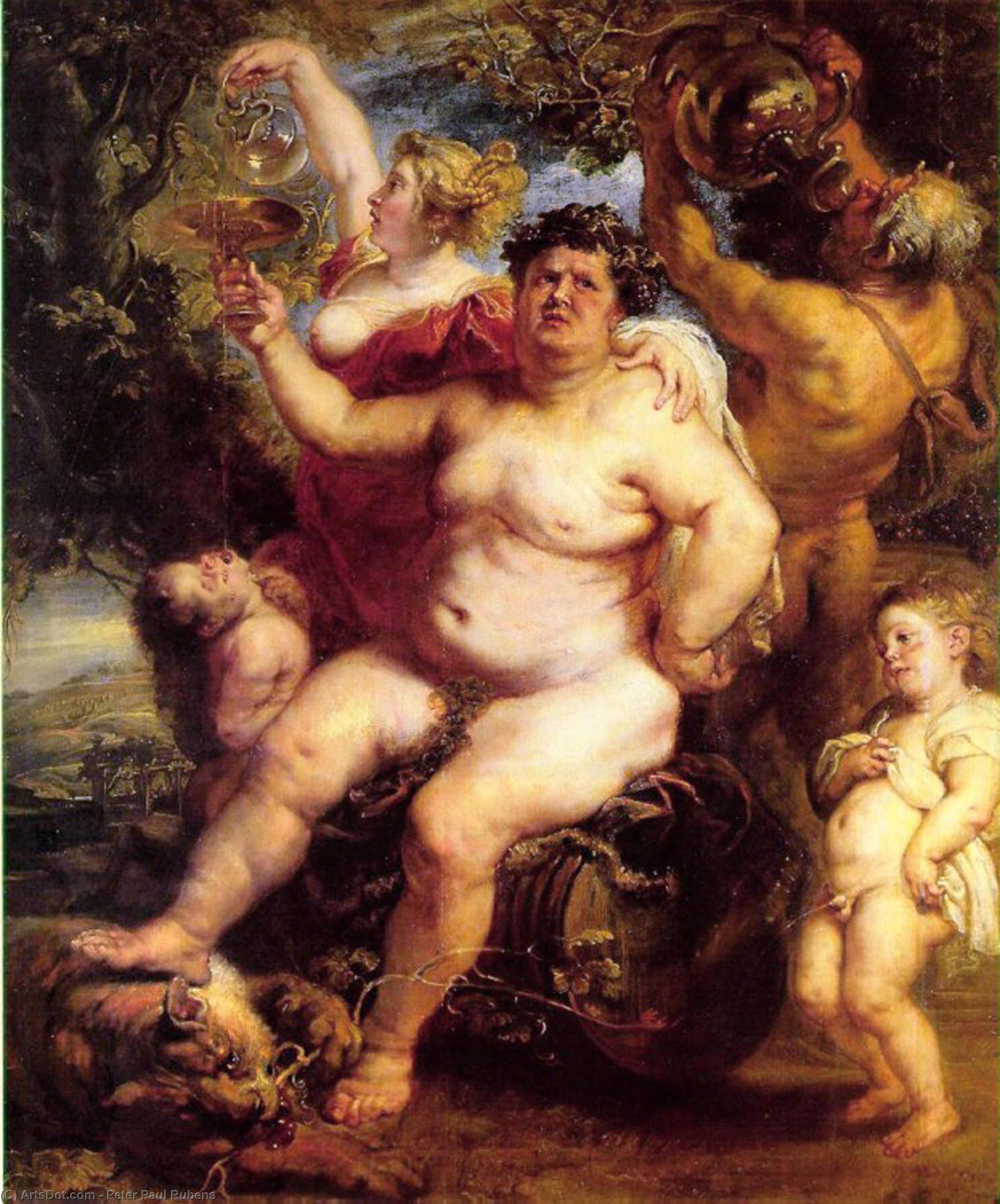
باخوس

استمتع بالطاقة النابضة بالحياة في لوحة باخوس لبيتر بول روبنز! تحفة باروكية تصور دايونيسيوس والمحتفلين بألوان غنية وحركة ديناميكية وميثولوجيا كلاسيكية. امتلك قطعة من تاريخ الفن اليوم!

بيتر بول روبنز: رسام باروكي هولندي شهير، اشتهر بلوحاته الديناميكية والألوان الزاهية مثل "النزول عن الصليب". أثر كبير في الفن الأوروبي وأحد أهم رموز عصر الباروك.

طباعة جيلي / مطبوعات فنية

طباعة جيكلي أو كانفاس بجودة المتاحف، مع سرعة في التنفيذ وخيارات متنوعة للتشطيب.

P118B $10
P118H $10
P118W $10
P438Z $10
P508JH $12
P508YH $12
P805H $10
P805Z $10
P919BZ $10
P919G $10
P919XJ $10
P959ZH $10
P968JZ $12
W106C $8
W218G $10
W218JH $8
W218Y $10
W307PJ $10
W316G $10
W316PJ $8
W316Y $10
W398PJ $8
W4111J $10
W500HY $15
W500JH $15
W692G $12
W849H $8
W940BG $15
W953PJ $8

Standard
custom
CM
INCH

اختر من بين أحجامنا المُعدّة مسبقًا والتي تتطابق مع النسب الأصلية للعمل الفني.

العرض
الارتفاع

يمكنك إدخال أبعادك الخاصة لتناسب إطاراً أو مساحة معينة. وإذا لم يتطابق الحجم الذي اخترته مع نسب الصورة الأصلية، فسنقوم إما بقص العمل الفني أو تمديد الصورة باستخدام حافة معكوسة أو بلون مصمت. سيتم إرسال نموذج تجريبي رقمي لاعتمادك قبل بدء الإنتاج.
يرجى ملاحظة أن المعاينة على الشاشة لا تعكس عملية القص أو التمديد الفعلية؛ حيث سيوضح النموذج التجريبي فقط التكوين النهائي بدقة.
وعلى الرغم من توفر أحجام مخصصة، إلا أننا نوصي باختيار أبعاد من القائمة المحددة مسبقاً للحفاظ على النسب الأصلية.

توصيل عالمي إلى خلال أسبوعين بدلاً من المدة القياسية البالغة 4/5 أسابيع. 3 يوليو

why_choose_icon
شحن سريع ومجاني لجميع أنحاء العالم
why_choose_icon
قماش كتان عالي الجودة
why_choose_icon
تأمين شحن شامل
why_choose_icon
ضمان استرداد الرسوم الجمركية
why_choose_icon
ضمان مطابقة الألوان الحقيقية
why_choose_icon
سياسة الإرجاع خلال 60 يومًا (في حالات العيوب فقط)
why_choose_icon
ضمان استرداد نقدي بنسبة 100%
why_choose_icon
خصم عند طلب عدة قطع

إجمالي السعر

-

reproduction

باخوس

طباعة جيلي / مطبوعات فنية

مقاس النسخة المطبوعة

-

السعر الإجمالي النهائي

-

معلومات سريعة

  • Artist: Peter Paul Rubens
  • Year: 1638-1640
  • Artistic style: Sensual, dynamic
  • Influences:
    • Caravaggio
    • Mantegna
  • Notable elements: Satyr, putti, wine
  • Title: Bacchus
  • Location: Hermitage Museum

اختبار الفنون

يوجد إجابة صحيحة واحدة فقط لكل سؤال.

سؤال 1:
What is the primary subject depicted in Peter Paul Rubens’ ‘Bacchus’?
سؤال 2:
Which artistic movement heavily influenced Peter Paul Rubens’ style in ‘Bacchus’?
سؤال 3:
The painting features several dogs. What is their likely symbolic significance within the scene?
سؤال 4:
Rubens’ ‘Bacchus’ is considered part of a broader artistic tradition. Which artist's work does it most directly draw inspiration from?
سؤال 5:
What is a key characteristic of Rubens’ use of color in ‘Bacchus’?

وصف القطعة الفنية

البداية من تحفة فنية: بيتر بول روبنز والعالم الديونيسي

بيتر بول روبنز، المولود في زيجن بألمانيا عام 1577، لم يكن مجرد فناناً؛ بل كان بمثابة جسر حيوي إلى قلب عصر الباروك. حياته، التي شهدت خدمة دبلوماسية وإنتاجاً وفّرياً، انتهت بإنشاء أعمال تجسد طاقة وحيوية وألواناً عميقة، بالإضافة إلى فهمها العميق للمشاعر الإنسانية – وعلى رأسها لوحته الشهيرة "باخوس". هذه اللوحة ليست مجرد تصوير لمشهد أسطوري؛ بل هي تجربة غامرة، ولوحة فنية مصممة بعناية لنقل المشاهد إلى عالم الديونيسي، إله الكرمة والبهجة والاندفاع الجامح. تأثر روبنز بشدة بالمعايير الكلاسيكية التي التقى بها خلال سنواته الأولى في إيطاليا، وقد قام بدمج هذه التأثيرات مع الدراما المميزة لأسلوب الباروك، مما أدى إلى إنشاء عمل فني يجمع بين الإثارة الفكرية والجاذبية الحسية.

  • التأثيرات المبكرة: رحلة روبنز إلى إيطاليا كانت تحولاً جذرياً. درس أعمال العمالقة مثل ليوناردو دافنشي وميخائيل أنجيلو، مستوعباً براعتهم في التشريح والمنظور والتكوين. ومع ذلك، فإن استخدام الكارافاجيو المبتكر للضوء والظل الدرامي، بالإضافة إلى الظلال المتناقضة، أشعل خياله الفني حقاً.
  • تكامل الأساليب: لم يكتف روبنز بنسخ أسلافه الإيطاليين؛ بل قام بتوحيد تقنياتهم مع لوحات الألوان الغنية والتكوينات الديناميكية التي فضّلها الحرفيون الفلمنزيون، مما أدى إلى إنشاء أسلوب فريد وقوي.

المنظر يتكشف: احتفال بالفرادة

تقدم "باخوس" تجمهراً حيوياً – احتفالاً، كما هو الحال في هذا السياق – يضم شخصيات في مختلف حالات المرح والنشوة. التكوين ديناميكي بشكل ملحوظ، ويتجنب الشكل الرسمي الثابت من أجل إحساس بالحركة غير المقيدة. نرى رجال مسترخيين على الكراسي، بينما يقف آخرون أو حتى يستلقون أرضاً وسط أكواب مبعثرة وكرهاً متدفقة. الشخصية المركزية، بلا شك، هي باخوس نفسه، وهو يحمل قفة، وينشر هالة من القوة والضعف. إن تضمين كلبين – أحدهما بالقرب من الجانب الأيسر والآخر باتجاه الجانب الأيمن – يضيف طاقة بدائية إلى اللوحة، مع الإشارة بشكل خفي إلى ارتباط الإله بالجنون والغرائز.

Bacchus by Peter Paul Rubens

(صورة باخوس بواسطة بيتر بول روبنز)

فك شفرة الرمزية: الأساطير، الكرمة، والطبيعة البشرية

بالإضافة إلى جاذبيته البصرية المباشرة، تحمل "باخوس" معاني رمزية غنية. ترجع اللوحة مباشرة إلى الأسطورة اليونانية لدياوسيوس، وهو إله غالباً ما يتم تصويره كرمز للقوة الإلهية والإنسانية الضعيفة. الكؤوس المتدفقة ترمز إلى النشوة والفرادة والغموض بين الواقع والخيال. الشخصيات نفسها تمثل جوانب مختلفة من الطبيعة البشرية – الرغبة في المتعة، والانغماس، وحتى لمسة من الجنون. يمكننا ملاحظة كيف يصور روبنز ببراعة التفاعل بين المشاعر: الضحك، والنشوة، والشهوانية، وربما حتى تلميح إلى اليأس. اللوحة لا تحتفي بالكرمة فحسب؛ بل تستكشف العلاقة المعقدة بين الإنسان ورغباته.

إرث في تاريخ الفن: اتصالات ومقارنات

"باخوس" لـ روبنز يمثل عملاً محورياً ضمن التقاليد الأوسع للوحات الأسطورية، ويعكس تصويراً سابقاً لفنانين مثل الكارافاجيو وتيتيان. إن "باخوس" للكارافاجيو نفسه، مع تناظره الحاد بين الضوء والظل والتصوير الدرامي للنشوة، يشترك في مستوى مماثل من الحدة. وبالمثل، فإن *احتفال الأندريان* لـ روبنز، والذي يوجد أيضاً في متحف هيرميتيجي، يوضح سلالة تأثير واضحة. إن دراسة هذه الأعمال معاً تكشف كيف بنى روبنز على أسس وضعها له من قبل أ Vorherigen بينما صاغ بصره الفني المميز. بالنسبة لأي شخص يبحث عن التعمق في عالم روبنز ورفاقه، نشجعكم على استكشاف الموارد المقدمة: الكارافاجيو (ميكيلانجيلو ميريسي): باخوس و بيتر بول روبنز: باخوس على أندروس على WahooArt.

movement: باروك topics: باخوس، دياوسيوس، الكرمة، الاحتفال، الأساطير، روبنز، الباروك، النشوة creative_period: الفترة المتأخرة corpus_context: كارافاجيو، رواد عصر النهضة، الحضارة القديمة، موضوع الاحتفال، ديناميكية روبنز، استكشاف الشهوانية، الأساطير اليونانية، الاحتفالات الديونيسية.

أعمال فنية ذات صلة


السيرة الذاتية للفنان

Sir Peter Paul Rubens: A Baroque Master!

Sir Peter Paul Rubens, a name that resonates with the very essence of Baroque dynamism, was far more than simply a painter. He was a diplomat, a scholar, and a cultural architect who fundamentally reshaped the artistic landscape of 17th-century Europe. Born in Siegen, Germany, in 1577, his early life was marked by displacement—a formative experience that would subtly permeate his later work with an undercurrent of drama and emotional depth. His father, Jan Rubens, a lawyer fleeing religious persecution for his Calvinist beliefs, uprooted the family from their native Antwerp, then under Spanish rule. This initial exile instilled in young Peter Paul a sense of resilience and adaptability, qualities that would serve him well throughout his multifaceted career. Following his father’s death in 1587, the family returned to Antwerp, where he received a humanist education before embarking on his artistic training around 1590, apprenticing under Tobias Verhaecht and Adam van Noort, honing foundational skills in drawing and painting techniques. However, it was his time with Otto van Veen that proved pivotal, exposing him to the rich legacy of Italian Renaissance art—a world he would soon embrace wholeheartedly.

The Italian Awakening and Artistic Synthesis

In 1600, Rubens embarked on a transformative journey to Italy, a pilgrimage that irrevocably shaped his artistic vision. For eight years, he immersed himself in the masterpieces of Michelangelo, Raphael, and Titian, absorbing their mastery of form, color, and composition. The influence of these Renaissance giants is readily apparent in his early Italian works, characterized by classical themes and idealized figures. Yet, Rubens didn’t merely imitate; he synthesized these influences with his own innate talent, developing a distinctive style marked by vibrant hues, dynamic compositions, and a sensuous depiction of the human form. He studied anatomy meticulously, resulting in figures that possessed both physical realism and emotional power—robust bodies imbued with life and movement. This period wasn’t solely about artistic development; it was a profound intellectual awakening, fostering a deep appreciation for classical mythology and literature which would become recurring motifs throughout his oeuvre. Upon returning to Antwerp in 1608, Rubens swiftly established himself as the leading artist of his time, receiving a flood of commissions that testified to his burgeoning reputation and solidifying his position at the forefront of Flemish art.

A Master of Many Forms: Painting Beyond Boundaries

Rubens’s artistic output was astonishingly diverse and prolific. He didn't confine himself to a single genre; instead, he excelled in history paintings, mythological scenes, portraits, landscapes, and religious works—a testament to his versatility and boundless creativity. His large-scale canvases, often intended for churches, palaces, and public spaces, were breathtaking displays of technical virtuosity and dramatic storytelling. The Descent from the Cross (c. 1616-1617) exemplifies his masterful use of light and shadow to create a scene of profound emotional intensity, drawing viewers into the heart of the narrative. The Raising of the Cross (1610-1611), with its swirling figures and dynamic composition, showcases his ability to convey movement and energy—a hallmark of his Baroque style. Even in seemingly static subjects like The Judgement of Paris (c. 1636), Rubens infused a sense of life and vitality through his vibrant color palette and sensual depiction of the human form. His technique was equally remarkable – a masterful command of oil painting, employing impasto to create texture and depth, alongside delicate glazing techniques to achieve luminous effects. He frequently employed allegorical figures and symbolic imagery, layering narratives with complex meanings that invited contemplation and interpretation.

Diplomacy, Legacy, and Enduring Influence

Rubens’s influence extended far beyond the realm of art. His diplomatic skills were highly sought after by the Southern Netherlands (modern-day Belgium), and he undertook numerous missions to England, France, and Spain, negotiating treaties and fostering political alliances—a unique dual role that afforded him a nuanced perspective on European affairs and further enhanced his reputation as a man of intellect and influence. In 1630, he married Hélène Fourment, who became both his muse and frequent subject in his paintings – her youthful beauty gracing many of his later works, embodying the sensuality and vitality that characterized his style. He continued to paint prolifically until his death in Antwerp in 1640, leaving behind a vast legacy that continues to inspire awe and admiration. His impact on subsequent generations of artists is immeasurable; painters like Anthony van Dyck, Jacob Jordaens, and Eugène Delacroix all drew inspiration from his dynamic compositions, vibrant colors, and sensuous figures. Rubens didn’t just define the Baroque style—he elevated painting to a new level of prestige and influence, solidifying Antwerp as a major center of artistic production during the 17th century. He remains, centuries later, a towering figure in the history of art, a testament to the power of human creativity and the enduring allure of Baroque splendor. ## Key Characteristics of Rubens’s Style
  • Dynamic Composition: Rubens' paintings are known for their energetic and dramatic arrangements of figures.
  • Vibrant Color Palette: He employed a rich, warm color scheme that brought his canvases to life.
  • Sensuous Figures: His depictions of the human form were characterized by fullness, vitality, and often, overt sensuality.
  • Masterful Use of Light and Shadow: Rubens skillfully manipulated light and shadow to create depth, drama, and emotional impact.
  • Allegorical Symbolism: His works frequently incorporated allegorical figures and symbolic imagery, adding layers of meaning and complexity.

بيتر بول روبنز

بيتر بول روبنز

1577 - 1640 , ألمانيا

حقائق سريعة

  • Artistic Movement Or Style: باروكي
  • Artists Or Movements Influenced By This Artist:
    • أنتوني فان ديوك
    • ياكو بوردجونس
  • Artists Who Influenced This Artist:
    • ميكائيل أنجيلوس
    • رافائيل
    • تيشان
  • Date Of Birth: 28 يونيو 1577
  • Date Of Death: 30 مايو 1640
  • Full Name: بيتر بول روبنز
  • Nationality: فلندي
  • Notable Artworks:
    • نزول المسيح من الصليب
    • رفع الصلب
  • Place Of Birth: زيغن، ألمانيا
استكشف الأعمال الفنية المصنفة حسب الموضوعات والأنماط والخصائص.