معاينة الحجم الحقيقي معاينة بالواقع المعزز التحويل إلى المطبوعات الانتقال إلى الصورة الرقمية مشاركة
التفاصيل أضف إلى المفضلة تحميل الملف قطع مشابهة الأشعة السينية عرض شرائح الإحصائيات

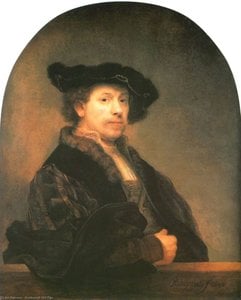
Self-Portrait

This captivating portrait by Sir Joshua Reynolds embodies neoclassical elegance—a masterful depiction of intellect and refinement during the Enlightenment era. Reynolds’ meticulous brushstrokes capture a contemplative gaze amidst rich fabrics and scholarly pursuits, inviting viewers to explore this iconic masterpiece.

الراعي رينولدز (1723-1792): رسام بورتريه بريطاني بارز في القرن الثامن عشر والرئيس الأول للأكاديمية الملكية للفنون. أتقن الأسلوب الكبير، حيث صور النبلاء بأناقة وصاغ الفن البريطاني.

نسخة زيتية مصنوعة يدوياً

لوحة زيتية مرسومة يدوياً على الكانفاس بالمقاس والإطار الذي تفضله، تُنفذ حسب الطلب على أيدي فنانينا. ( التحويل إلى المطبوعات الانتقال إلى الصورة الرقمية)

P118B $10
P118H $10
P118W $10
P438Z $10
P508JH $12
P508YH $12
P805H $10
P805Z $10
P919BZ $10
P919G $10
P919XJ $10
P959ZH $10
P968JZ $12
W106C $8
W218G $10
W218JH $8
W218Y $10
W307PJ $10
W316G $10
W316PJ $8
W316Y $10
W398PJ $8
W4111J $10
W500HY $15
W500JH $15
W692G $12
W849H $8
W940BG $15
W953PJ $8

قياسي
حسب الطلب
CM
INCH

اختر من بين أحجامنا المُعدّة مسبقًا والتي تتطابق مع النسب الأصلية للعمل الفني.

العرض
الارتفاع

يمكنك إدخال أبعادك الخاصة لتناسب إطارًا معينًا أو مساحة محددة. وإذا لم يتطابق الحجم الذي اخترته مع نسب الصورة الأصلية، فسنقوم إما بقص العمل الفني أو توسيع اللوحة بإضافة عناصر مرسومة يدويًا. سيتم إرسال نموذج رقمي إليك للموافقة عليه قبل بدء الإنتاج.
يرجى ملاحظة أن المعاينة على الشاشة لا تعكس عملية القص أو التوسيع الفعلية؛ حيث إن النموذج الرقمي وحده هو الذي سيوضح التكوين النهائي بدقة.
وعلى الرغم من توفر أحجام مخصصة، إلا أننا نوصي باختيار أبعاد من القائمة المحددة مسبقًا للحفاظ على النسب الأصلية للعمل الفني.

أمثلة على التعديلات الممكنة: استبدال الوجه بصورة العميل؛ إضافة حيوان أليف (مثل استبدال قطة بكلب)؛ تضمين رسالة مخفية في الخلفية؛ تغيير المناظر الطبيعية أو العناصر في الخلفية.
بعد إتمام الطلب، سيرسل فريق WahooArt.com بريداً إلكترونياً للعميل لطلب التعليمات وتزويده بمعاينة تجريبية (mockup).

توصيل عالمي إلى خلال 3 إلى 4 أسابيع بدلاً من المدة المعتادة البالغة 5 أسابيع. (17 سبتمبر). جودة لا تهاون فيها.

why_choose_icon
شحن سريع ومجاني لجميع أنحاء العالم
why_choose_icon
قماش كتان عالي الجودة
why_choose_icon
تأمين شحن شامل
why_choose_icon
ضمان استرداد الرسوم الجمركية
why_choose_icon
ضمان مطابقة الألوان الحقيقية
why_choose_icon
سياسة الإرجاع خلال 100 يوم (في حالات العيوب فقط)
why_choose_icon
ضمان استرداد نقدي بنسبة 100%
why_choose_icon
خصم عند طلب عدة قطع

إجمالي السعر

$ 272

reproduction

Self-Portrait

خامة إعادة الإنتاج

مقاس النسخة المطبوعة

-

السعر الإجمالي النهائي

$ 272

معلومات سريعة

  • Subject or theme: Self-representation
  • Title: Self-Portrait
  • Medium: Oil on canvas
  • Location: Galleria degli Uffizi, Florence
  • Dimensions: 72 x 58 cm
  • Artistic style: Formal portraiture
  • Notable elements: Book held

اختبار الفنون

يوجد إجابة صحيحة واحدة فقط لكل سؤال.

سؤال 1:
What is the primary color of the subject's coat in this self-portrait?
سؤال 2:
Which artistic movement's ideals are reflected in the composition of this painting?
سؤال 3:
Reynolds used which technique to achieve luminous colors and subtle tonal variations?
سؤال 4:
The presence of a book in the portrait is symbolic of what?
سؤال 5:
In which city was this painting created during the Enlightenment era?

A Window Into Enlightenment Thought

The moment one encounters Sir Joshua Reynolds’s 1775 Self-Portrait, there is an immediate sense of being observed by a mind deeply engaged with the world. This is not merely a likeness; it is a carefully constructed manifesto of intellect and status. The central figure, draped in a striking scarlet coat accented by elegant black trim, commands the viewer's attention through a gaze that is both intimate and authoritative. Reynolds utilizes his own image to bridge the gap between the artist and the observer, establishing a profound connection that transcends the centuries. Every element of his attire serves as a deliberate nod to the wealth and aristocratic refinement of the era, presenting a persona that is as much about social standing as it is about personal identity.

Mastery of Neoclassical Technique

In this masterpiece, Reynolds exemplifies the grandeur of the Neoclassical style, a movement dedicated to reviving the balanced proportions and clarity of Greek and Roman antiquity. The composition is anchored by strict geometric principles, ensuring a sense of stability and poise that avoids the chaotic energy of the preceding Baroque period. To achieve such luminous depth, the artist employed a sophisticated oil painting technique characterized by meticulous layering. Through the expert use of glazing—the application of thin, translucent layers of pigment—Reynolds achieved subtle tonal variations and a radiant glow that breathes life into the fabric of the scarlet coat and the soft textures of the skin. The canvas itself, a sturdy linen stretched taut over wood, provides the perfect foundation for this interplay of light and shadow, ensuring the artwork's enduring brilliance.

Symbolism and the Spirit of an Age

Beyond the surface of the portrait lies a rich tapestry of Enlightenment symbolism. As London’s intellectual landscape buzzed with the debates of philosophers like Voltaire and Rousseau, Reynolds captured the very essence of this era through subtle visual cues. The inclusion of a book held within his grasp is far from incidental; it serves as a powerful emblem of erudition, knowledge, and a commitment to humanist ideals. This portrait captures a man caught in the tension between reason and emotion, reflecting a broader societal preoccupation with moral virtue and social responsibility. For the collector or the interior designer, this piece offers more than mere decoration; it provides a profound sense of historical gravity and intellectual depth, making it an exquisite centerpiece for any space dedicated to culture, reflection, and the timeless pursuit of wisdom.

السيرة الذاتية للفنان

Sir Joshua Reynolds (1723 - 1792): Luminary of the Enlightenment

Sir Joshua Reynolds, born in Plymouth, Devon, England, on July 16, 1723, stands as one of the most influential figures in British art history—a true luminary of the Enlightenment. His father, Reverend Samuel Reynolds, instilled within him a profound appreciation for scholarship and intellectual pursuits, guiding young Joshua towards a path rooted in classical learning. Yet, an undeniable passion for artistic expression swiftly emerged, propelling him toward an apprenticeship with Thomas Hudson in London at the tender age of seventeen—a formative experience that would forge his mastery of portraiture, establishing it as his defining vocation. Hudson’s studio pulsed with the energy of aristocratic society, exposing Reynolds to the exacting standards and aspirations of wealthy patrons—influences that profoundly shaped not only his technique but also his understanding of the cultural landscape he sought to portray with unparalleled grace and sophistication.

Early Life and Artistic Formation

Reynolds' upbringing nurtured a keen interest in humanist ideals and fostered a meticulous attention to detail—qualities that would serve him exceptionally well during his apprenticeship under Thomas Hudson. Hudson’s studio was more than just a workspace; it was a crucible of artistic innovation, where Reynolds absorbed the precepts of Venetian Baroque painting and honed his skills in capturing likeness with remarkable accuracy. He diligently studied the works of Rembrandt van Rijn and Anthony van Dyck—masters who championed dramatic composition and psychological insight—drawing inspiration from their stylistic choices and techniques. This early exposure to artistic excellence laid the groundwork for Reynolds’s subsequent explorations into classical art and humanist philosophy, shaping his worldview and informing his artistic vision.

The Influence of Rome and the Grand Style

A pivotal moment in Reynolds' artistic development arrived in 1750 when he embarked on a transformative journey to Rome—a pilgrimage that would solidify his allegiance to the ‘Grand Style,’ an aesthetic championed by Raphael, Michelangelo, and Titian. This approach prioritized idealized beauty, harmonious proportions, and erudite allusions to mythology and history—reflecting the intellectual fervor of the era and elevating portraiture beyond mere representation into a realm of symbolic significance. Reynolds immersed himself in the artistic treasures of the Vatican Museums and engaged in spirited discussions with fellow artists—absorbing the lessons of antiquity and refining his technique under the tutelage of influential masters. The Roman experience instilled within him an unwavering belief that art should aspire to moral grandeur, mirroring the virtues of noble character and embodying the ideals of civilized society.

Reynolds’s Artistic Legacy: Portraiture Elevated

Reynolds returned to England armed with a newfound conviction—a determination to revolutionize British portraiture by rejecting the prevailing sentimental conventions of his time. He rejected the saccharine depictions favored by earlier artists, insisting instead on portraying subjects with dignity and intellectual depth—capturing not just their physical appearance but also their inner life and social standing. This ambition demanded meticulous observation, astute psychological analysis, and masterful execution—skills that Reynolds honed relentlessly throughout his prolific career. His portraits are characterized by a remarkable blend of realism and idealism—a deliberate effort to convey both the outward form and the inward essence of his subjects. Notable among Reynolds’s masterpieces is *Peter Darnell Muilman*, Charles Crokatt and William Keable in a Landscape (National Gallery), which exemplifies his innovative use of atmospheric perspective and dramatic lighting—techniques that imbue the scene with palpable emotion and convey a sense of grandeur. Similarly, *Mr and Mrs William Lindow* showcases Reynolds’s ability to capture the subtleties of domestic life—revealing intimate details of character and conveying a profound understanding of human relationships. His portraits of prominent figures—including Duke of Devonshire, Lord Chesterfield, and Sir Thomas Lawrence—stand as enduring symbols of British aristocracy and intellectual achievement—testaments to his unparalleled skill in capturing likeness and embodying the spirit of an era. Reynolds’s influence extended far beyond his own canvases—inspiring generations of artists who embraced his vision for a dignified and intellectually stimulating form of portraiture. He remains, unequivocally, one of Britain's greatest artistic innovators—a figure whose legacy continues to resonate with audiences worldwide.

جيوشوا رينولدز

جيوشوا رينولدز

1723 - 1792 , المملكة المتحدة

حقائق سريعة

  • Artistic Movement Or Style: الأسلوب الكبير
  • Artists Or Movements Influenced By This Artist: ['تيوماس غاينسبرغ']
  • Artists Who Influenced This Artist: ['تيوماس هودسون']
  • Date Of Birth: 16 يوليو 1723م
  • Date Of Death: 23 فبراير 1792م
  • Full Name: Sir Joshua Reynolds
  • Nationality: إنجليزية
  • Notable Artworks:
    • بيتر دارنيل مويلمان...
    • السيد والسيدة ويليام ليندوو
  • Place Of Birth: إيلمبتون، إنجلترا
استكشف الأعمال الفنية المصنفة حسب الموضوعات والأنماط والخصائص.