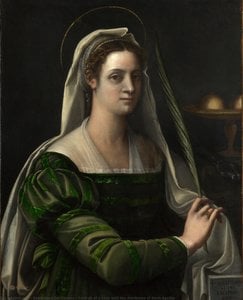
روح فينيسية في روعة رومانية
يحتل سيباستيانو ديل بيومبو، الذي وُلد سيباستيانو لوتشياني حوالي عام 1485 في قلب البندقية المشرق، مكانة فريدة وغامضة غالبًا ما تكون محاطة بالغموض ضمن فترة عصر النهضة العليا. قصته ليست قصة اعتراف فني فوري، بل هي رحلة آسرة من التكيف والهجرة، وفي نهاية المطاف، توليف مميز يمزج بين ألوان البندقية وثقل الشكل الروماني المهيب. على عكس العديد من معاصريه الذين كانت مساراتهم محددة بوضوح منذ الصغر، كان دخول سيباستيانو إلى عالم الرسم متأخراً بعض الشيء؛ فقد انجذب في البداية إلى الموسيقى – حيث امتلك مهارة كبيرة كعازف لوت – ولم يتبنَ القماش بجدية إلا في أواخر سن المراهقة أو أوائل العشرينات. غرسَت هذه الفترة التكوينية في البندقية فيه حبًا دائمًا للألوان الغنية، والمنظور الجوي، والحس الشاعري الذي ظل علامات مميزة لأسلوبه حتى بعد انتقاله إلى روما. إن تأثير جورجوني واضح بشكل خاص في الأعمال المنسوبة إليه مبكرًا مثل لوحة
حكم سليمان غير المكتملة، وهي عمل غارق في السرد الدرامي ويُظهر نهجًا مبتكرًا للتكوين، مما يلمح إلى الإمكانات الفنية التي كانت على وشك الظهور.
من البندقية إلى قلب الحياة الفنية الرومانية
شكل عام 1511 لحظة محورية في مسيرة سيباستيانو عندما سافر إلى روما، المدينة التي كانت تنبض بالطاقة الفنية تحت رعاية الباباوات يوليوس الثاني وليو العاشر. نقلته هذه الخطوة مباشرة إلى مدار رافائيل، الذي كان مرسمه في أوج مجده، وبعد فترة وجيزة، إلى العالم المعقد المحيط بميكيلانجيلو. ومن المثير للاهتمام أنه على عكس بعض الفنانين الذين وجدوا أنفسهم في ظل هؤلاء العمالقة، تمكن سيباستيانو من نحت مكانه الخاص، بل وحصل حتى على احترام – والتشجيع العرضي – من ميكيلانجيلو نفسه المعروف بنقده الشديد. أدرك المعلمان روحًا متقاربة في سعي كل منهما و الآخر نحو العظمة والدقة التشريحية؛ فقد دافع ميكيلانجيلو بنشاط عن عمل سيباستيانو، وحثه على التنافس مع رافائيل للحصول على تكليفات مرموقة. هذا التنافس، رغم أنه ربما بالغ فيه فاساري، غذى بلا شك طموح سيباستيانو وساهم في سمعته المتنامية. تُظهر أعماله الرومانية المبكرة، مثل اللوحات الجدارية في فيلا فارنيزينا – وخاصة
البوليفيموس – استيعابًا بارعًا للزخارف الكلاسيكية وثقة متزايدة في التعامل مع التكوينات واسعة النطاق. لقد كان ينمو بسرعة ليصبح قوة داخل المشهد الفني الروماني، ممزوجًا بالحس البندقي ومتطلبات بيئته الجديدة.
توليف الأساليب: رؤية فنية فريدة
يكمن عبقرية سيباستيانو ديل بيومبو الفنية في قدرته على التوفيق بين تقاليد البندقية وروما التي تبدو متباعدة. وبينما كان متجذرًا بقوة في تركيز المدرسة البندقية على اللون والضوء والملمس – وهو إرث ورثه عن جورجوني وتيتيان – فقد احتضن الانشغال الروماني بالأشكال الضخمة، والدقة التشريحية، والسرد الدرامي. يتجلى هذا الاندماج بشكل لافت في لوحة
إقامة لعازر، وهي لوحة جدارية قوية كُلفت بها كاتدرائية ناربون وتقبع الآن في المعرض الوطني بلندن. تعرض اللوحة إتقانه للطلاء الزيتي لخلق درجات لونية باهتة وأقمشة غنية، بينما تمتلك الشخصيات نفسها صلابة منحوتة تذكرنا بأعمال ميكيلانجيلو. هذا المزيج الفريد جعله متميزًا عن معاصريه وأرساه كشخصية رائدة في الفن الروماني بعد الوفاة المبكرة لرافائيل عام 1520. لم يكن يقلد ببساطة؛ بل كان يصوغ مسارًا جديدًا، مُثبتًا أن الحس البندقي والوقار الروماني يمكن أن يتعايشا بانسجام على نفس القماش. تقف
إقامة لعازر كشهادة على قدرته على توليف هذه القوى التي تبدو متعارضة في كل شيء ليصبح كيانًا متماسكًا ومترددًا عاطفيًا.
الحياة المتأخرة والإرث الدائم
اتخذ الجزء الأخير من حياة سيباستيانو منعطفًا غير متوقع في عام 1531 عندما تم تعيينه
بيومباتوري، حارس أختام البابوية. كان هذا المنصب المرموق، ولكنه شاق، يتطلب منه الاهتمام بالواجبات الإدارية للبابا وقلص إنتاجه الفني بشكل كبير. وعلى الرغم من أنه كان مستقرًا ماليًا، إلا أن مسؤوليات المنصب سحبته بعيدًا عن الرسم، وأصبحت أعماله اللاحقة أقل عددًا. واستمر في تلقي التكليفات، خاصة البورتريهات، لكن حماس وابتكار فترته المبكرة بدا باهتًا إلى حد ما. وعلى الرغم من هذا الانخفاض في الإنتاجية، ظل سيباستيانو شخصية محترمة داخل الدوائر الفنية الرومانية حتى وفاته عام 1547. ومع ذلك، أثبت تأثيره أنه أقل انتشارًا من رافائيل أو ميكيلانجيلو. ويعود هذا جزئيًا إلى نقص التلاميذ العديدين والتوزيع المحدود لعمله عبر المطبوعات – وهي ممارسة شائعة للترويج لأسلوب الفنان خلال عصر النهضة. ومع ذلك، يظل إرث سيباستيانو ديل بيومبو شاهدًا على قوة التوليف الفني والجاذبية الدائمة للألوان البندقية الممزوجة بالعظمة الرومانية.
الأعمال البارزة
- الفلاسفة الثلاثة (مع جورجوني): تحفة تعاونية تعرض التأثيرات المبكرة.
- البوليفيموس: لوحة جدارية في فيلا فارنيزينا، تُظهر الأسلوب الكلاسيكي والتفاصيل المتقنة.
- موس يتلقى ألواح الشريعة: يوضح إتقان الزيت على القماش والتكوين الدرامي.
- إقامة لعازر: لوحة جدارية قوية تمزج بين اللون البندقي والشكل الروماني.
- سان سيباستيانو: تصوير مؤثر للقديس، يُظهر مهارته في تجسيد العاطفة الإنسانية.
لا يزال عمله يأسر ويُلهم، مذكّرًا إيانا بزمن كانت فيه الحدود الفنية مرنة وازدهر الابتكار.



 معاينة الحجم الحقيقي
 اشترِ لوحة مرسومة يدويًا
 مشاركة
 مشاركة
 التفاصيل
 الدليل

 تحميل الملف
 قطع مشابهة
 الأشعة السينية
 عرض شرائح
 الإحصائيات


 عرض المزيد






































 خيار الزجاج متاح فقط للمقاسات التي تقل عن 110 سم