احصل على ملف جاهز للطباعة يتجاوز بمراحل جودة المعاينة عبر الإنترنت؛ فكل صورة رقمية نبيعها مستمدة من نسخة أصلية عالية الدقة في قاعدة بياناتنا — يتراوح عرضها عادةً بين 5,000 إلى 15,000 بكسل — مما يتيح لك الطباعة بأحجام كبيرة، أو الاقتصاص بدقة، أو إعادة إنتاج التفاصيل الدقيقة بكل ثقة.
لا تخرج أي صورة من استوديو الخاص بنا دون أن تمر بعملية معالجة دقيقة؛ حيث يقوم خبير رقمي بمطابقة الألوان مع اللوحة الأصلية وتصحيحها عند الضرورة، ثم يعمل على تحسين الوضوح والتفاصيل باستخدام أدوات ترميم احترافية — مع الحفاظ دائماً على أمانة نقل ضربات فرشاة الفنان وأسلوبه. والنتيجة هي صورة تبدو كأنها اللوحة ذاتها، وليست مجرد مسح ضوئي خاضع للفلاتر.
تتم عملية الاعتماد قبل الإتمام النهائي: حيث يرسل خبيرنا الصورة عبر البريد الإلكتروني في غضون 72 ساعة لمراجعتها من قبلك. هل لم تنل النتيجة إعجابك؟ يمكنك طلب تحسينات أو تصحيحات، أو طلب استرداد الأموال إذا لم تكن الجودة بالمستوى المطلوب.
هذه هي الجودة التي يعتمد عليها الناشرون، واستوديوهات التصميم، والمعارض، والمطابع.
حمّل ملفاً عالي الدقة للعرض الشخصي، والطباعة، والمشاريع الإبداعية. ( التبديل إلى نسخة مطبوعة شراء لوحة مرسومة يدويًا)
عندما تختار WahooArt.com، فأنت لا تحصل على مجرد صورة فحسب، بل ستحصل على عمل فني رقمي مُحسّن باحترافية، صُمم بدقة متناهية ومصحوب بضمان الرضا. إليك كل ما يتضمنه طلبك تلقائياً:
ستصلك ملفات صورك الرقمية عالية الدقة عبر البريد الإلكتروني في غضون 72 ساعة من إتمام الطلب - لتكون جاهزة للاستخدام الفوري.
يتم تحسين عملك الفني باحترافية باستخدام أدوات الذكاء الاصطناعي المتقدمة والتحرير اليدوي، لضمان أقصى درجات التفاصيل والوضوح ودقة الألوان.
هل حذفت ملفك أو فقدته عن طريق الخطأ؟ لا تقلق - سنعيد إرساله إليك في أي وقت، مجاناً.
استمتع بأعمالك الفنية فوراً دون أي رسوم جمركية أو ضرائب أو مصاريف شحن - فالتحميلات الرقمية دائماً ما تكون معفاة من الضرائب.
نضمن لك دقة انعكاس الألوان الأصلية في صورتك الرقمية بأقصى قدر ممكن، وذلك باستخدام أدوات احترافية وتقنيات متطورة لإدارة الألوان.
إذا لم تكن راضياً عن صورتك الرقمية، فسنقوم بتعديلها أو استرداد 100% من قيمتها خلال 100 يوم - دون طرح أي أسئلة.
لم تكن راضياً؟ استرد كامل المبلغ خلال 100 يوم من استلام ملفك الرقمي - دون طرح أي أسئلة.
اشتري 3 صور، ووفر 10% - اشتري 5، ووفر 15% - اشتري +10، ووفر 20%. مثالية للمشاريع الإبداعية، والمعارض، والوكالات.
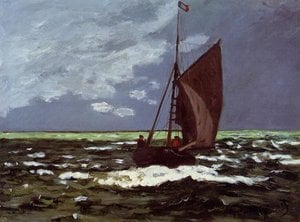
A heavy, dark indigo water rises in diagonal lines across the canvas. Large, cresting waves move with a raw, turbulent energy, pushing toward the viewer from a low vantage point within the sea itself. Deep charcoal grays and blacks dominate the depths of the ocean, while muted whites mark the churning foam at the peaks. The ships appear as dark silhouettes, their sharp, angular masts providing a structural contrast to the organic, undulating shapes of the waves. Light breaks through thick, overcast clouds in a chiaroscuro effect, catching only the highest points of the spray and the edges of the vessels.
The year 1627 marks this moment of maritime peril. The painting utilizes oil on canvas to achieve atmospheric depth and realistic light effects characteristic of Baroque maritime painting. Through delicate brushwork, a sense of mist and salt spray settles over the scene. The composition captures multiple sailing vessels struggling against massive swells, creating a feeling of isolation and the immense power of nature. A pale ochre tint touches the heavy clouds above the dark water.
The sea remains restless.
تُصور "Seascape" للفنان Claes Claesz. Wou: waves, ships, sea, clouds, dark blue, white foam, ocean.
أما بخصوص حقوق الطبع والنشر، فإن "Seascape" تندرج ضمن ملك عام - انتهت مدة حماية حقوق الطبع والنشر الخاصة به.
يمكن فحص "Seascape" طبقة تلو الأخرى عبر صفحة الأشعة السينية الخاصة بالعمل الفني، وهو عرض تفاعلي مستوحى من طاولة الإضاءة التي يستخدمها المرممون، ويقدم إحدى عشرة قراءة بصرية للصورة.

In the narrow streets of Amsterdam, where the water meets the stone, Claes Claesz. Wou lived a life tied to the movement of the tides. Born in 1592, he was a man of the city, moving from the quiet outskirts of Buitenveldert to the bustling Prinsengracht near the Laurierstraat. He was more than a painter; he held the position of a waard in 't Groene Woudt, a role that suggests a life deeply embedded in the local community. There was a certain social weight to his presence, though perhaps not a financial one. At the time of his death in 1665, he left behind many debts owed by his fellow artists, a detail that hints at a man who lived closely among his peers, perhaps spending as much time in their company as he did at his easel.
His hands were accustomed to the brush, but his eyes were fixed on the horizon. He did not seek the bright, clear skies of the Mediterranean. Instead, he found his subject in the heavy, churning waters of the North Sea. His work focused on the struggle of ships against the elements, capturing the weight of a storm and the spray of salt against wood.
Wou’s technique was one of restraint and atmosphere. He did not rely on a wide palette to tell his story. Instead, he worked within a restricted range, often using a monochrome grey to build the depth of a storm. He understood how light breaks through a heavy sky to hit the crest of a wave. His compositions were defined by a low horizon, a choice that forces the viewer to look up at the vastness of the sky and the chaos of the water, making the ships appear small and vulnerable against the immense scale of the ocean.
His approach to the sea was shaped by specific technical choices:
The influence of Wou can be seen in the way he translated the movement of water onto a flat surface. He was not a solitary figure in the art world, but one who sat at the center of a circle of makers. It is believed that he may have been the teacher of Jan Abrahamsz. van Beerstraten, another painter who dedicated his life to the same maritime subjects. This connection suggests a continuity of style and a passing down of the specific way to capture a storm. He remained active in his craft from 1612 until his death in 1665, a long life spent observing the way the light changes over the water.

1592 - 1665 , Netherlands
 معاينة الحجم الواقعي
 مشاركة
 مشاركة
 التفاصيل
 دليل
دليل

 تحميل الملف
 قطع مشابهة
 الأشعة السينية
 عرض شرائح
 الأسئلة والأجوبة
 الإحصائيات

 عرض المزيد