


طباعة جيكلي أو كانفاس بجودة المتاحف، مع سرعة في التنفيذ وخيارات متنوعة للتشطيب. ( اشترِ لوحة مرسومة يدويًا اشترِ الصورة)





























اختر من بين أحجامنا المُعدّة مسبقًا والتي تتطابق مع النسب الأصلية للعمل الفني.

يمكنك إدخال أبعادك الخاصة لتناسب إطاراً أو مساحة معينة. وإذا لم يتطابق الحجم الذي اخترته مع نسب الصورة الأصلية، فسنقوم إما بقص العمل الفني أو تمديد الصورة باستخدام حافة معكوسة أو بلون مصمت. سيتم إرسال نموذج تجريبي رقمي لاعتمادك قبل بدء الإنتاج.
يرجى ملاحظة أن المعاينة على الشاشة لا تعكس عملية القص أو التمديد الفعلية؛ حيث سيوضح النموذج التجريبي فقط التكوين النهائي بدقة.
وعلى الرغم من توفر أحجام مخصصة، إلا أننا نوصي باختيار أبعاد من القائمة المحددة مسبقاً للحفاظ على النسب الأصلية.
توصيل عالمي إلى خلال أسبوعين بدلاً من المدة القياسية البالغة 4/5 أسابيع. 7 سبتمبر


Madonna and Child and Two Angels
مقاس النسخة المطبوعة
The painting “Madonna and Child and Two Angels,” a captivating work by Sandro Botticelli, offers a glimpse into the heart of the Early Renaissance in Florence. Created around 1468-1469 during a pivotal period in the artist’s career, this tempera on panel masterpiece resides within the Museo Nazionale di Capodimonte in Naples—a testament to its enduring beauty and historical significance. More than simply a depiction of the Virgin Mary cradling her infant son, it's an exploration of faith, grace, and the burgeoning humanist ideals that were reshaping European art and thought.
Botticelli’s early style is immediately apparent in this piece: a delicate balance between the formality of the late Gothic tradition and the emerging naturalism of the Renaissance. The figures possess a remarkable elegance—their poses are graceful, their lines fluid, and their expressions imbued with an almost ethereal serenity. Notice particularly the flowing drapery, rendered with meticulous detail that suggests both luxuriousness and a subtle awareness of volume and form. The color palette is restrained yet luminous; the vibrant red of Mary’s gown provides a striking focal point against the softer hues of the background and the angels' robes, drawing the eye to the central figures.
The composition itself is carefully orchestrated. Botticelli masterfully employs symmetry—the Virgin and Child occupy the precise center, flanked by two angels on either side. This creates a sense of balance and harmony, reflecting the theological importance of the subject matter. However, it’s not merely a static arrangement; there's a dynamic quality to the scene, conveyed through subtle gestures and expressions. Mary’s gaze is directed towards her child with an expression of profound love and devotion, while one angel extends a hand in blessing, mirroring the gesture of Christ. The other angel appears to be pointing upwards, perhaps symbolizing divine guidance or the promise of salvation.
To fully appreciate “Madonna and Child,” it’s essential to understand the historical context in which it was created. The Early Renaissance—a period spanning roughly from 1400 to 1500—witnessed a remarkable revival of interest in classical Greek and Roman art, philosophy, and literature. Artists like Botticelli were deeply influenced by these ancient ideals, seeking to emulate their sense of beauty, proportion, and humanism. This is evident in the painting’s idealized figures and its emphasis on harmonious composition.
Botticelli's work reflects the intellectual climate of Florence at this time, a city that was experiencing a period of unprecedented wealth and cultural flourishing. The patronage of powerful families like the Medici fueled artistic innovation, creating an environment where artists could experiment with new techniques and ideas. The painting’s creation coincided with a shift in religious thought—a move towards a more personal and emotional understanding of faith. Botticelli's Madonna is not simply a representation of the Virgin Mary; it’s an invitation to contemplate her love, compassion, and connection to humanity.
Beyond its aesthetic qualities, “Madonna and Child” is rich in symbolism. The red dress worn by Mary traditionally represents purity, sacrifice, and royalty—all attributes associated with the Virgin Mother. The angels themselves are often interpreted as messengers of God, symbolizing divine grace and protection. The presence of two angels suggests a deeper spiritual dimension to the scene, hinting at the role of intermediaries between humanity and the divine.
The setting, though somewhat ambiguous, contributes to the painting’s overall atmosphere of serenity and contemplation. The suggestion of a landscape—a glimpse of distant mountains and a bay—creates a sense of depth and perspective, drawing the viewer into the scene. It's as if we are invited to step into this intimate moment between mother and child, witnessing their profound connection.
“Madonna and Child and Two Angels” stands as a quintessential example of Botticelli’s early genius—a testament to his mastery of technique, his sensitivity to beauty, and his ability to capture the essence of human emotion. Its influence can be seen in countless subsequent works of art, solidifying its place as one of the most beloved paintings of the Renaissance. Today, reproductions of this masterpiece offer a unique opportunity to bring this timeless work of art into your home, allowing you to experience its beauty and spiritual depth firsthand.
At WahooArt.com, we are proud to offer meticulously crafted hand-painted oil reproduction of “Madonna and Child and Two Angels,” capturing the original’s luminosity and detail with unparalleled accuracy. Explore our collection of Botticelli reproductions—including his iconic "Birth of Venus" and "Portrait of a Young Man"—and discover how you can own a piece of art history.
To view high-resolution images and explore other works by Sandro Botticelli, visit here and here.
Discover the beauty of Italian Renaissance art with WahooArt.com! Explore our collection of hand-made oil paintings reproductions and learn more about the artists and their works.

في قلب فلورنسا، تلك المدينة التي شهدت ولادة عصر النهضة، بزغ نجم ساندرو بوتيتشيلي، الفنان الذي أسر العالم بجماله الأثيري ورؤيته الشعرية. وُلد أليساندرو دي ماريانو فيليببي عام 1445، ليصبح لاحقًا "بوتيتشيلي" نسبةً إلى شقيقه الأصغر، وعاش حياة متجذرة في نسيج المدينة الفني والاجتماعي. لم يبتعد بوتيتشيلي عن حي أوغنيسانتي الذي ولد فيه، مما يعكس ارتباطه الوثيق بجذور عائلته وبيئته الإبداعية. نشأ الفنان في كنف والديه اللذين كانا يعملان في مجال الصباغة والزخرفة، مما أتاح له منذ صغره فرصة التعرف على فنون الحرف اليدوية والتفاصيل الدقيقة التي ستشكل لاحقًا أساس أسلوبه الفني.
تلقى بوتيتشيلي تعليمه الأول في ورشة عمل فنان الذهب ماسو فينغيريرا، قبل أن ينتقل إلى ورشة عمل فرا فيليبّو ليبي، أحد أبرز رسامي فلورنسا. هذه الفترة كانت حاسمة في تشكيل مسيرته الفنية، حيث اكتسب بوتيتشيلي مهارات تقنية أساسية وتعرض لأعمال فنانين بارزين. لم يقتصر تأثير ليبي على الجانب التقني فحسب، بل امتد ليشمل فهم بوتيتشيلي العميق للجماليات الفلورنسية، مما أتاح له تطوير أسلوبه الفريد الذي يميزه عن غيره.
يتميز أسلوب بوتيتشيلي بالخطوط المتدفقة والمنحنيات الرشيقة، واستخدامه الدقيق للألوان. لم يكن بوتيتشيلي مجرد فنان، بل كان شاعرًا يترجم الأحلام والأساطير إلى لوحات آسرة. جمع بين تقاليد العصر القوطي المتأخر وروح عصر النهضة الناشئة، مستوحيًا إلهامه من أعمال فنانين عظماء مثل فرا أنجليكو وباولو أوتشيللو. تجسد شخصياته في لوحاته هالة من الهدوء والجمال الأثيري، وغالبًا ما تصور بأبعاد متطاولة ووقفة رشيقة تعكس السكينة والتأمل. لم يقتصر بوتيتشيلي على تصوير المشاهد الدينية التقليدية، بل انغمس في عالم الأساطير الكلاسيكية، مستوحياً موضوعاته من قصص الحب والجمال الروحي التي شكلت جوهر الفكر الإنساني في عصر النهضة.
استخدم بوتيتشيلي تقنيات مبتكرة في عصره، مثل طريقة الرسم بالقلم الفضي تحت الطلاء، مما أضفى على أعماله إشراقًا ووضوحًا. كما استخدم طلاء التيمبرا الذي سمح له بتحقيق دقة فائقة في التفاصيل وألوان زاهية. في سنواته الأخيرة، جرب استخدام الألوان الزيتية التي وسعت نطاق تعبيره الفني.
تتربع لوحة "ولادة فينوس" على عرش أعمال بوتيتشيلي، فهي تجسيد حي للجمال الإنساني والانسجام. تصويره لإلهة الحب والجمال وهي تخرج من صدفة بحرية، يمثل قمة الفن في عصر النهضة. وبالمثل، فإن لوحة "ربيع" هي تحفة فنية معقدة وغامضة تحتفي بقدوم الربيع والحب، وتضم شخصيات رمزية مستوحاة من الأساطير الكلاسيكية. هذه الأعمال تعكس إتقان بوتيتشيلي للتركيب اللوني والقدرة على خلق عمق جوي وإبراز المشاعر الإنسانية.
شهدت مسيرة بوتيتشيلي الفنية مراحل متميزة، ففي سبعينيات القرن الخامس عشر ركز على تصوير الموضوعات الدينية، وطور مهاراته التقنية. أما الثمانينيات فقد كانت ذروة إبداعه، حيث أنتج أشهر أعماله الأسطورية. ومع ذلك، شهدت التسعينيات من القرن الخامس عشر تحولاً في أسلوبه، تأثرًا بوعظات جييرلامو سافونارولا المتشددة التي دعت إلى التوبة والتخلص من مظاهر البذخ والفساد.
بعد وفاة بوتيتشيلي عام 1510، تضاءل نجمه تدريجيًا، وظلت أعماله مهمشة لعدة قرون. ولكن في القرن التاسع عشر، شهدت أعماله نهضة فنية بفضل حركة ما قبل رافائيلية التي أعادت اكتشاف قيمته الفنية وأهميته التاريخية. أدرك الفنانون من هذه الحركة الجمال الفريد في لوحات بوتيتشيلي، وقدروا خطوطه الرشيقة وألوانه الزاهية وحساسيته الشعرية.
اليوم، يحتل ساندرو بوتيتشيلي مكانة مرموقة بين أعظم فناني عصر النهضة. تُعرض أعماله في أهم المتاحف حول العالم، وتستقطب عشاق الفن من جميع أنحاء العالم. يظل بوتيتشيلي رمزًا للإنجاز الفني الفلورنسي ودليلًا على قوة الإنسانية في إلهام الجمال والإبداع.

1445 - 1510 , إيطاليا
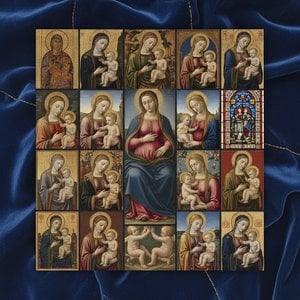
Embark on a sophisticated journey through art history with our curated guide to the most iconic Madonna and Child masterpieces. Discover the profound beauty, theological depth, and enduring legacy of these sacred Renaissance treasures.
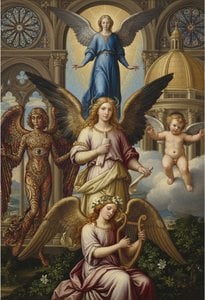
Explore the profound beauty of angelic figures in art history. From Renaissance masterpieces to celestial symbolism, our expert guide offers a sophisticated journey through the divine imagery of the Old Masters for discerning collectors and art enthusiasts.
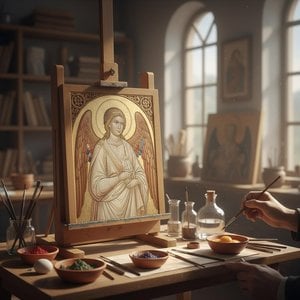
Unveil the sacred secrets of egg tempera on panel. Journey through the technical mastery and profound artistry of the Old Masters, from Giotto to Botticelli. An essential educational guide for Renaissance art enthusiasts seeking deep historical insight and expertise.
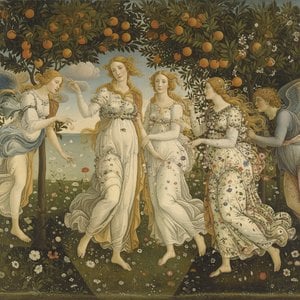
Explore the ethereal beauty of Sandro Botticelli's masterpieces. Delve into the profound symbolism, mythological grace, and technical mastery that define the Italian Renaissance through an expert art-historical lens.
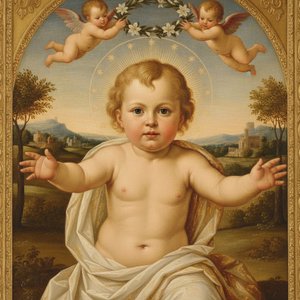
Explore the profound beauty of Baby Jesus in fine art history. From Raphael's Renaissance masterpieces to symbolic light, discover how classical painters captured divine innocence through masterful technique and sacred iconography.

 معاينة الحجم الحقيقي
 مشاركة
 مشاركة
 التفاصيل

 تحميل الملف
 قطع مشابهة
 الأشعة السينية
 عرض شرائح

 عرض المزيد







 خيار الزجاج متاح فقط للمقاسات التي تقل عن 110 سم


