

إن العمل الفني المعروض في هذه الصفحة محمي بموجب قوانين حقوق الطبع والنشر، مما يعني أنه لا يحق لنا قانوناً إنشاء أو بيع نسخ مطابقة له. وتُطبق هذه الحماية بموجب الاتفاقيات الدولية مثل الـ اتفاقية برن ووفقاً للقوانين الوطنية، بما في ذلك تلك المنصوص عليها في قانون حقوق الطبع والنشر في الولايات المتحدة - الباب 17.
تتوافق هذه الطريقة تماماً مع لوائح حقوق النشر لأنها لا تتضمن نسخ أو تكرار العمل الفني المحمي، بل هي إعادة تفسير إبداعية؛ أي أنها لوحة جديدة مستوحاة من الأصل ولكنها ليست مطابقة له.
طباعة جيكلي أو كانفاس بجودة المتاحف، مع سرعة في التنفيذ وخيارات متنوعة للتشطيب. ( شراء لوحة مرسومة يدويًا الانتقال إلى الصورة الرقمية)
اختر من بين أحجامنا المُعدّة مسبقاً والتي تتوافق مع النسب الأصلية للعمل الفني.

أدخل العرض والارتفاع المطلوبين ليتناسب المقاس مع إطارك أو جدارك. يرجى الملاحظة أن المطبوعة يمكن قصها فقط ولا يمكن تكبيرها لتتجاوز أبعاد الصورة الأصلية، لذا فإن اختيار مقاس بأبعاد مختلفة سيؤدي إلى فقدان جزء من الصورة. سنرسل لك نموذجاً رقمياً تجريبياً لاعتماده قبل البدء في عملية الطباعة. الصورة المعروضة في هذه الصفحة لا توضح شكل القص الفعلي — النموذج التجريبي فقط هو ما يظهر ذلك بدقة.
توصيل عالمي إلى خلال أسبوعين بدلاً من المدة القياسية البالغة 4/5 أسابيع. (8 نوفمبر)
Dogia
مقاس النسخة المطبوعة
To gaze upon this exquisite depiction of Salvatore Ferragamo's 1949 "Dogia" is to step directly into the vibrant, sophisticated heart of post-war Italian design. This piece transcends mere footwear; it is a wearable sculpture, a testament to the intersection where meticulous craftsmanship meets ephemeral beauty. The shoe itself, rendered in lustrous black satin, immediately commands attention, its material sheen suggesting an almost liquid elegance. It speaks of an era when fashion was not merely dressing, but a profound statement of identity and aspiration. The composition, captured with the precision of high-end product photography, isolates this single object against a stark white void, forcing the viewer into an intimate dialogue with its form.
What elevates this piece beyond simple documentation is the breathtaking artistry woven across its surface. The floral embroidery—a riot of carefully placed pinks, creamy whites, sunny yellows, soft blues, and verdant greens—transforms the structured satin base into a delicate garden blooming upon the foot. This technique requires an almost unbelievable level of dexterity; each petal, every leaf, is individually stitched, creating a rich, tactile contrast against the smooth, dark background. The interplay between the cool sheen of the satin and the raised, textured quality of the embroidery floss is what gives the piece its visual depth. It suggests hours of patient labor, the focused devotion of an artisan whose skill was matched only by his vision.
Understanding the context of Salvatore Ferragamo enriches our appreciation immeasurably. Born into a tradition of skilled making, Ferragamo’s career was one of relentless innovation, forever pushing the boundaries of what shoes could be. This 1949 design is a perfect artifact of that genius—a marriage of structural integrity with decorative exuberance. The shoe embodies the glamour associated with Hollywood's golden age, yet it retains an underlying sense of artisanal honesty. For the collector or designer, this piece offers a tangible connection to a pivotal moment in fashion history, representing Italian mastery before the modern deluge of mass production.
Emotionally, the "Dogia" whispers tales of springtime renewal and confident femininity. The flowers are universal symbols of beauty and transience, while the shoe itself speaks to empowerment—the ability to move through the world with grace and undeniable style. Owning or reproducing such a piece is not just acquiring an object; it is curating a mood. It infuses any space, be it a gallery wall or a sophisticated dressing room vignette, with an aura of romantic nostalgia and timeless sophistication. It invites contemplation on the enduring power of beauty crafted by human hands.
يتخلل اللون Green to Violet Spectrum أرجاء لوحة "Dogia" للفنان سالفاتوري فيراغامو.
يصور "Dogia" موضوعات shoes, fashion, art deco, embroidery, femininity, luxury, salvatoreferragamo، بينما تتمثل الثيمات المتكررة لدى سالفاتوري فيراغامو في hollywood glamour, italian design, luxury, craftsmanship, elegance, art deco, geometric patterns, celebrity style. وتُظهر المقارنة بينهما مدى ارتباط هذا العمل بالموضوعات المعتادة للفنان.
تُحفظ النسخة الأصلية من "Dogia" للفنان سالفاتوري فيراغامو في متحف سلفاتوري فيراغامو, فلورنسا, إيطاليا، بينما تتيح لك هذه النسخة المطبوعة عرض العمل الفني في منزلك.


1898 - 1960 , إيطاليا

Discover the unparalleled elegance of Art Deco through the lens of Erté. Explore a masterclass in linear precision, theatrical costume design, and high-fashion illustration that continues to define modern luxury and sophisticated interior aesthetics.

Discover the exquisite world of fashion illustration art. From Art Deco elegance to bespoke oil reproductions, explore how timeless sartorial beauty transforms luxury interiors through masterfully crafted canvas works and curated historical masterpieces.
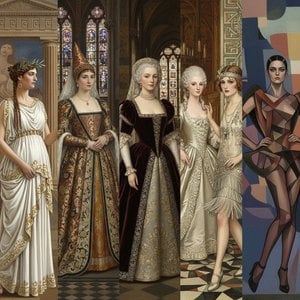
Explore the breathtaking intersection of fine art and high fashion. Discover how iconic masterpieces from Art Deco to Impressionism have shaped the world of luxury couture and timeless design in this curated visual journey.

Embark on a visual journey through the evolution of fashion photography. Discover how masters like Gianfranco Ferré blended geometry, surrealism, and texture to redefine high-fashion art for collectors and connoisseurs of luxury imagery.
 مشاركة
 مشاركة
 التفاصيل
 دليل
دليل

 تحميل الملف
 قطع مشابهة
 عرض شرائح
 الأسئلة والأجوبة
 الإحصائيات


 عرض المزيد






































 خيار الزجاج متاح فقط للمقاسات التي تقل عن 110 سم


