إن العمل الفني المعروض في هذه الصفحة محمي بموجب قوانين حقوق الطبع والنشر، مما يعني أنه لا يحق لنا قانوناً إنشاء أو بيع نسخ مطابقة له. وتُطبق هذه الحماية بموجب الاتفاقيات الدولية مثل الـ اتفاقية برن ووفقاً للقوانين الوطنية، بما في ذلك تلك المنصوص عليها في قانون حقوق الطبع والنشر في الولايات المتحدة - الباب 17.
تتوافق هذه الطريقة تماماً مع لوائح حقوق النشر لأنها لا تتضمن نسخ أو تكرار العمل الفني المحمي، بل هي إعادة تفسير إبداعية؛ أي أنها لوحة جديدة مستوحاة من الأصل ولكنها ليست مطابقة له.
طباعة جيكلي أو كانفاس بجودة المتاحف، مع سرعة في التنفيذ وخيارات متنوعة للتشطيب. ( شراء لوحة مرسومة يدويًا الانتقال إلى الصورة الرقمية)





























اختر من بين أحجامنا المُعدّة مسبقاً والتي تتوافق مع النسب الأصلية للعمل الفني.

أدخل العرض والارتفاع المطلوبين ليتناسب المقاس مع إطارك أو جدارك. يرجى الملاحظة أن المطبوعة يمكن قصها فقط ولا يمكن تكبيرها لتتجاوز أبعاد الصورة الأصلية، لذا فإن اختيار مقاس بأبعاد مختلفة سيؤدي إلى فقدان جزء من الصورة. سنرسل لك نموذجاً رقمياً تجريبياً لاعتماده قبل البدء في عملية الطباعة. الصورة المعروضة في هذه الصفحة لا توضح شكل القص الفعلي — النموذج التجريبي فقط هو ما يظهر ذلك بدقة.
توصيل عالمي إلى خلال أسبوعين بدلاً من المدة القياسية البالغة 4/5 أسابيع. (4 نوفمبر)
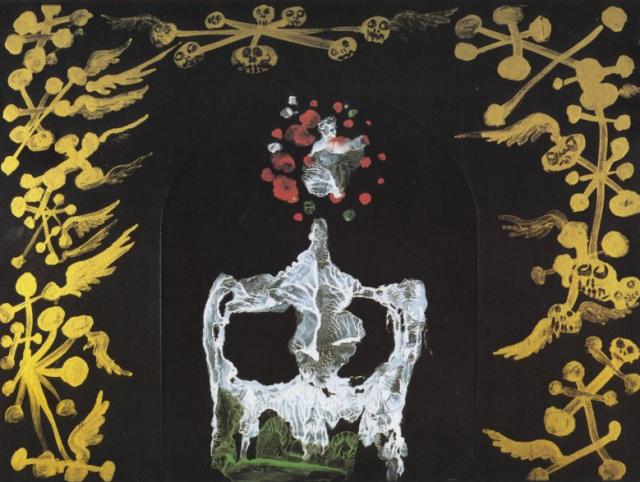
Decalcomania, 1936
مقاس النسخة المطبوعة
In the hauntingly beautiful Decalcomania, 1936, Salvador Dalí invites us into a realm where the boundaries of reality are perpetually dissolving. This masterpiece, born during the height of his surrealist fervor, serves as a profound meditation on grief, memory, and the unsettling beauty found within fractured landscapes. The composition is dominated by a colossal, anthropomorphic skull perched atop a regal crown, a striking juxtaposition that pits the inevitability of mortality against the hollow illusions of power and ambition. Through this stark imagery, Dalí captures a sense of existential weight, presenting a scene that feels both meticulously constructed and dreamily ephemeral.
The emotional resonance of the work is deepened by its surrounding elements, which act as symbolic conduits for hope and entrapment. A vase overflowing with flowers offers a whisper of rebirth amidst the decay, while birds scatter throughout the frame, representing aspirations that remain perpetually tether of the skull's dominion. This delicate balance between life and death, freedom and confinement, creates an atmosphere of whimsical yet unsettling charm, making the piece a captivating subject for those who appreciate art that challenges the psyche and stirs the soul.
Dalí’s technical approach in this work is as revolutionary as its subject matter. The painting utilizes decalcomania, a technique pioneered by the artist himself, where pigment is transferred from one surface to another to create intricate, textured patterns. This method allows for a spontaneous blurring of boundaries between disparate forms, resulting in organic textures that seem to emerge from the subconscious itself. While the visual experience is rich with complexity, the work is often viewed through the lens of stark tonal contrasts, mirroring Dalí’s preference for dramatic light and shadow.
The style can be described as a form of Naïve Art (Primitivism), characterized by an incredible attention to detail that rejects traditional academic conventions in favor of a more raw, visceral expression. For the discerning collector or interior designer, this technique offers a unique tactile quality; even in a high-quality reproduction, the sense of depth and the intricate, layered textures of the transferred pigment remain palpable. It is a work that demands close inspection, rewarding the viewer with new discoveries within its textured crevices every time it is encountered.
Created during the turbulent years leading up to World War II, Decalcomania, 1936 reflects the profound anxieties of an era on the brink of global upheaval. Dalí’s preoccupation with Freudian psychoanalysis is palpable here, particularly regarding the concepts of repression and the hidden depths of the subconscious mind. The painting acts as a visual manifestation of confronting trauma and reimagining identity in a world that felt increasingly unstable.
For those seeking to bring a piece of art history into a contemporary space, this work offers more than mere decoration; it provides a window into the collective psyche of the twentieth century. It is an intellectually stimulating addition to any collection, offering a sophisticated narrative of transformation and the enduring struggle between our darkest fears and our highest aspirations. Whether placed in a quiet study or as a focal point in a grand gallery, Dalí’s vision continues to provoke thought and inspire wonder.
استخدم سلفادور دالي تقنية Mixed Technique في عمل "Decalcomania, 1936"، وهي التقنية التي تحدد الطبيعة المادية للعمل الأصلي.
تعود "Decalcomania, 1936" إلى عصر Modern.
يمكنكم العثور على أعمال مشابهة لـ "Decalcomania, 1936" في صفحة أعمال مشابهة الخاصة بالعمل الفني.

سلفادور دومينغو فيليبي جاكينتو دالي إي دومينش، الاسم الذي أصبح مرادفاً للسريالية، وُلد في 11 مايو 1904، في بلدة فيغيريس المشمسة بإسبانيا. لم تكن حياته مقدرة لتكون عادية، بل كانت حياة مُصممة بعناية كأداء فني، واستكشاف لللاوعي البشري تجسد من خلال صور مذهلة ومهارة تقنية فائقة. لقد خيم ظل الفقد على طفولته مبكراً؛ فقد توفي شقيقه الأكبر، الذي حمل نفس الاسم "سلفادور"، قبل تسعة أشهر فقط من ولادة دالي، وهي صدمة ستعمق أعماله لاحقاً بمواضيع الثنائية والاستبدال. هذه التجربة التكوينية، إلى جانب علاقته المعقدة بوالده الصارم والعملي وأمّه المُدللة، شكلت شخصية تجمع بين البهرجة والتأمل العميق. ومنذ سن مبكرة، أظهر دالي موهبة فنية استثنائية، تم تنميتها من خلال التدريب الرسمي في أكاديمية سان فرناندو للفنون الجميلة في مدريد. ومع ذلك، كان اللقاء المحوري مع الرسم الحديث – وخاصة أعمال الانطباعيين وأساتذة عصر النهضة – هو الذي أشعل بداخله رغبة حقيقية في كسر التقاليد وصياغة طريقه الفريد.
أثبتت رحلته إلى باريس عام 1926 أنها مُغيّرة لمساره، حيث غمره قلب الحركة الطليعية. وجد نفسه منجذباً إلى الروح المتمردة للحركة الدادائية، وما تحمله من رفض للمنطق واحتضان للعبث، وهو ما تردد صداه مع ميوله الفنية الناشئة. والأهم من ذلك، أنه في باريس تبنى السريالية بشكل كامل، حيث تواصل مع شخصيات رئيسية مثل أندريه بريتون، وبابلو بيكاسو – الذي كان دالي يكن له تقديراً عميقاً – وجوان ميرو. لم يكن هذا اللقاء مجرد تبنٍ لأسلوب فني؛ بل إن دالي أحدث ثورة في الحركة نفسها، حيث طور ما أسماه "المنهج البارانوي-نقدي"، وهو حالة من الهذيان الذاتي المصمم لفتح أبواب الصور المخفية في العقل الباطن. سمحت له هذه التقنية بترجمة الأحلام، والمخاوف، والرموز الشخصية العميقة على لوحاته بوضوح مذهل وتفاصيل دقيقة. وكانت النتيجة عالماً مأهولاً بالساعات الذائبة، والظلال المستطيلة، والأشكال المشوهة، والتجاورات الغريبة – وهي السمات المميزة لأسلوبه الذي يمكن التعرف عليه فوراً. ويظل عمله إصرار الذاكرة، الذي اكتمل في عام 1931، ربما أشهر أعماله على الإطلاق، حيث يجسد الاستكشاف السريالي لسيولة الزمن، وهشاشة الذاكرة، وحتمية التحلل.
امتد النتاج الإبداعي لدالي إلى ما هو أبعد من الرسم بكثير. فقد كان فناناً غزير الإنتاج بشكل ملحوظ، حيث خاض غمار النحت، والسينما – لا سيما تعاوناته مع ألفريد هيتشكوك في فيلم Spellbound ومع والت ديزني – والفنون الغرافيكية، وتصميم المجوهرات، وحتى تصميم الديكور المسرحي. ولم يقتصر شغفه على الوسائط الفنية التقليدية؛ بل استكشف حدود الفن التجاري من خلال تصميم الإعلانات وعروض واجهات المتاجر. وقد تخللت أعماله رموز متكررة: النمل الذي يرمز للتحلل، والبيض الذي يمثل الحياة قبل الولادة والأمل، والعكازات التي تشير إلى الدعم والهشاشة، والأدراج التي تلمح إلى الأسرار المخفية، والأجسام الذائبة التي تجسد عدم استقرار الواقع. لم تكن هذه الرموز عشوائية؛ بل كانت شخصية للغاية، ومتجذرة في مخاوفه ورغباته وذكرياته الخاصة. وتظهر أعمال مثل ضريح جوليت، وهو استكشاف مؤثر للفقد، والمانيكان (مانيكان برشلونة)، الذي يعكس هوساً بالاصطناع والهوية، ومنظر طبيعي مع الذباب، وهو تصوير مزعج للموت، مدى اتساع وعمق اهتماماته الموضوعية. إن تقنيته الدقيقة، التي صقلها عبر سنوات من الممارسة، سمحت له بتجسيد هذه الرؤى الخيالية بواقعية فوتوغرافية، مما ضاعف من قوتها المربكة.
طوال حياته، رسم دالي لنفسه شخصية لا تقل بهرجة وغرابة عن فنه. لقد تبنى الترويج الذاتي، مدركاً قوة الاستعراض في جذب انتباه الجمهور. وكان زواجه من غالا إيلوار في عام 1934 نقطة تحول محورية، ليس فقط على الصعيد الشخصي بل والفني أيضاً؛ فقد أصبحت ملهمته، ومديرة أعماله، وداعمته التي لا تتزعزع. وبينما اتسمت سنواته الأخيرة بزيادة المشاريع التجارية والتبني المثير للجدل أحياناً للنظام الفرنكي، إلا أن إرثه الفني يظل عظيماً. توفي في 23 يناير 1989، تاركاً وراءه مجموعة من الأعمال التي لا تزال تتحدى وتستفز وتلهم. ويقف متحف سلفادور دالي في سانت بيترسبرغ بفلوريدا شاهداً على جاذبيته الدائمة، حيث يضم مجموعة واسعة تسمح للزوار بالانغماس في عالم هذا الفنان الاستثنائي. لقد تجاوز دالي حدود الفن، ليصبح أيقونة ثقافية يمكن رؤية تأثيرها في الموضة والسينما والإعلان والثقافة الشعبية. وسيظل دائماً واحداً من أكثر الفنانين شهرة وتأثيراً في القرن العشرين—رؤيوياً حقيقياً تجرأ على استكشاف أعماق اللاوعي وترجمة أسراره على القماش ليراها العالم أجمع.
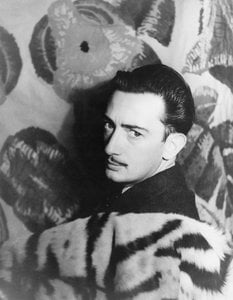
1904 - 1989 , إسبانيا

Embark on a visual journey through the subconscious. Explore the profound symbolism of Surrealist masterpieces, from Dalí's melting clocks to dreamlike landscapes, and learn how to curate these evocative visions into your private art collection with expert guidance.

Embark on a sophisticated journey through the surrealist movement. Discover how masters like Dalí and Ernst blurred the lines between dreams and reality through innovative techniques, exploring the profound impact of the subconscious on fine art history with expert authority.

Master the complexities of Salvador Dalí’s genius. Explore an expert analysis of the Paranoiac-Critical Method and the profound symbolism within his Surrealist masterpieces for the discerning art collector.
 معاينة الحجم الواقعي
 مشاركة
 مشاركة
 التفاصيل
 دليل
دليل

 تحميل الملف
 قطع مشابهة
 الأشعة السينية
 عرض شرائح
 الأسئلة والأجوبة
 الإحصائيات

 عرض المزيد









 خيار الزجاج متاح فقط للمقاسات التي تقل عن 110 سم