


احصل على صورة رقمية عالية الدقة ومعزّنة، بجودة تفوق بكثير المعاينة عبر الإنترنت.
يتم إعداد كل ملف بعناية فائقة من قبل متخصصينا الداخليين باستخدام أدوات متقدمة ولمسات يدوية خبيرة. نضمن أن تتمتع كل صورة بوضوح استثنائي، ودقة لونية متناهية، وتفاصيل دقيقة.
يتم تسليم الملف النهائي عبر البريد الإلكتروني في غضون 72 ساعة، وهو مُحسَّن للاستخدام الفوري في المجالات المهنية والتحريرية ومجالات الطباعة. هذه هي ذات الجودة التي تعتمد عليها كبرى استوديوهات التصميم ودور النشر والمعارض الفنية المرموقة.
حمّل ملفاً عالي الدقة للعرض الشخصي، والطباعة، والمشاريع الإبداعية. ( اشترِ نسخة مطبوعة اشترِ لوحة مرسومة يدويًا)
عندما تختار WahooArt.com، فأنت لا تحصل على مجرد صورة فحسب، بل ستحصل على عمل فني رقمي مُحسّن باحترافية، صُمم بدقة متناهية ومصحوب بضمان الرضا. إليك كل ما يتضمنه طلبك تلقائياً:

ستصلك ملفات صورك الرقمية عالية الدقة عبر البريد الإلكتروني في غضون 72 ساعة من إتمام الطلب - لتكون جاهزة للاستخدام الفوري.

يتم تحسين عملك الفني باحترافية باستخدام أدوات الذكاء الاصطناعي المتقدمة والتحرير اليدوي، لضمان أقصى درجات التفاصيل والوضوح ودقة الألوان.

هل حذفت ملفك أو فقدته عن طريق الخطأ؟ لا تقلق - سنعيد إرساله إليك في أي وقت، ومجاناً.

استمتع بأعمالك الفنية فوراً دون أي رسوم جمركية أو ضرائب أو مصاريف شحن - فالتحميلات الرقمية دائماً ما تكون معفاة من الضرائب.

نحن نضمن أن تعكس صورتك الرقمية الألوان الأصلية بأقصى قدر ممكن من الدقة، وذلك باستخدام أدوات احترافية وتقنيات إدارة الألوان.

إذا لم تكن راضياً عن صورتك الرقمية، فسنقوم بتعديلها أو استرداد 100% من قيمتها خلال 100 يوماً - دون أي أسئلة.

لم تكن راضياً؟ احصل على استرداد كامل المبلغ خلال 100 يومًا من استلام ملفك الرقمي - دون أي أسئلة.

اشتري 3 صور، ووفر 10% - اشتري 5، ووفر 15% - اشتري +10، ووفر 20%. مثالية للمشاريع الإبداعية، والمعارض، والوكالات.
Rubens Peale's "Two Ruffed Grouse in Underbrush," painted in 1864, isn’t merely a depiction of two birds; it’s a carefully constructed tableau of American naturalism and the burgeoning spirit of scientific observation that defined the mid-19th century. The painting immediately draws the eye with its intimate portrayal of these elusive creatures nestled within a dense undergrowth—a scene brimming with quiet drama and subtle detail. Peale, a key figure in Philadelphia’s vibrant artistic and scientific community, masterfully blends elements of realism with an almost painterly softness, creating an image that feels both meticulously observed and deeply imbued with feeling.

Peale's approach to this work is particularly fascinating when considered within the context of his career. He wasn’t primarily a painter of grand landscapes or heroic figures; instead, he dedicated himself to documenting the natural world through meticulous observation and scientific illustration – a practice deeply rooted in his family history, tracing back to his father, Charles Willson Peale, a renowned naturalist and museum curator. “Two Ruffed Grouse” exemplifies this dedication. The painting’s realism is remarkable, achieved not through idealized representation but by painstakingly rendering the textures of feathers, foliage, and earth. Notice the subtle variations in color—the mottled browns and greys of the birds' plumage blending seamlessly with the muted tones of the underbrush. Peale employed a technique that prioritized capturing the essence of the subject rather than imposing an artistic interpretation, a hallmark of the Hudson River School movement but executed with a distinctly American sensibility.
Beyond its straightforward depiction of two ruffed grouse, the painting is rich in symbolic layers. The inclusion of the geranium—a vibrant splash of red against the predominantly earthy palette—introduces an element of unexpected beauty and perhaps even a touch of melancholy. Some art historians suggest that this deliberate juxtaposition highlights the delicate balance between nature’s raw beauty and the human desire to capture and preserve it. Furthermore, the birds themselves hold symbolic weight; in American folklore, grouse were often associated with good fortune and prosperity. The placement of the birds within the dense undergrowth also speaks to themes of concealment, resilience, and the quiet dignity of the natural world—a sentiment increasingly valued during a period of rapid industrialization and westward expansion.
Rubens Peale's "Two Ruffed Grouse in Underbrush" stands as a testament to the power of observation and the evolving role of art in documenting the natural world. It reflects a shift away from purely decorative painting towards a more scientific and nuanced understanding of nature—a trend that would profoundly influence American art throughout the 19th century. The painting’s quiet intimacy, coupled with its meticulous detail and subtle symbolism, continues to resonate with viewers today, offering a glimpse into a bygone era and reminding us of the enduring beauty and complexity of the American wilderness. Its inclusion in the Detroit Institute of Arts collection underscores its significance as a pivotal work in American art history.

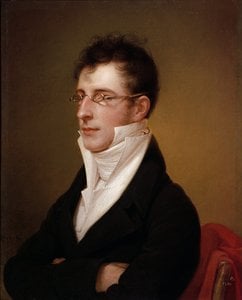
1784 - 1865 , الولايات المتحدة الأمريكية

 معاينة الحجم الحقيقي
 مشاركة
 مشاركة
 التفاصيل

 تحميل الملف
 قطع مشابهة
 الأشعة السينية
 عرض شرائح


 عرض المزيد


