


x


 اطلب نسخة مرسومة يدوياً شراء الصورة بدقة عالية
 مشاركة
 Details
 أضف إلى المفضلة
 تحميل الملف
 قطع مشابهة
 X-Ray
X-Ray
 عرض شرائح
 Acrylic On CanvasWallArtPop Art
 1990
1990 145.0 x 182.0 cm
طباعة جيكلي أو كانفاس بجودة المتاحف، مع سرعة في التنفيذ وخيارات متنوعة للتشطيب.





























اختر من بين أحجامنا المُعدّة مسبقًا والتي تتطابق مع النسب الأصلية للعمل الفني.

يمكنك إدخال أبعادك الخاصة لتناسب إطاراً أو مساحة معينة. وإذا لم يتطابق الحجم الذي اخترته مع نسب الصورة الأصلية، فسنقوم إما بقص العمل الفني أو تمديد الصورة باستخدام حافة معكوسة أو بلون مصمت. سيتم إرسال نموذج تجريبي رقمي لاعتمادك قبل بدء الإنتاج.
يرجى ملاحظة أن المعاينة على الشاشة لا تعكس عملية القص أو التمديد الفعلية؛ حيث سيوضح النموذج التجريبي فقط التكوين النهائي بدقة.
وعلى الرغم من توفر أحجام مخصصة، إلا أننا نوصي باختيار أبعاد من القائمة المحددة مسبقاً للحفاظ على النسب الأصلية.
توصيل عالمي إلى خلال أسبوعين بدلاً من المدة القياسية البالغة 4/5 أسابيع. 1 يوليو


The den
مقاس النسخة المطبوعة
Roy Lichtenstein's "The Den," completed in 1990, isn’t merely a depiction of an interior living room; it’s a masterful distillation of Pop Art principles—a deliberate provocation against the perceived seriousness of traditional fine art. Produced by Gemini G.E.L., this woodcut and screenprint embodies Lichtenstein's signature aesthetic: bold color blocks juxtaposed with meticulously crafted Ben-Day dots, creating an illusion of texture and depth that belies its deceptively simple composition.
The color palette—primarily reds, yellows, blues, black, and white—is aggressively reductive, mirroring the limited color palettes found in commercial printing. Lichtenstein’s technique relies heavily on Ben-Day dots – tiny colored squares meticulously applied to create shading and texture. This method mimics the halftone printing process used in comic books, instantly conveying a sense of immediacy and artificiality. The resulting surface is strikingly graphic, prioritizing visual impact over nuanced tonal variation.
"The Den" emerged during Lichtenstein’s peak period as a Pop Artist, responding to the cultural anxieties of the 1960s and ’70s. He deliberately adopted the conventions of mass media—comic strips and advertising—to critique consumer culture and challenge artistic elitism. By flattening perspective and simplifying forms, Lichtenstein aimed to dismantle illusionistic painting techniques and engage viewers in a dialogue about representation itself. The artwork serves as a testament to Lichtenstein's unwavering commitment to pushing boundaries within the art world.
Despite its apparent simplicity, “The Den” carries significant symbolic weight. The vase of flowers represents beauty and fragility—themes frequently explored in Romantic art—but presented within a deliberately stylized framework. Lichtenstein’s use of bold colors and geometric shapes evokes the energy and dynamism of Pop Art, conveying a sense of playful detachment from emotional expression. Ultimately, “The Den” invites contemplation on how we perceive reality and celebrates the transformative power of artistic innovation.


1923 - 1997 , الولايات المتحدة الأمريكية

Explore the fascinating history of Pop Art, from its rebellious origins to its enduring influence on contemporary artists. Discover key figures like Warhol & Lichtenstein and learn about collecting this iconic movement.

Elevate your interior design with our expert guide to harmonizing art styles & architecture. Discover timeless pieces, color palettes, & custom artwork solutions for balanced, luxury spaces. Expert advice included!

Transform your fandom into stunning art! Our guide covers commissioning custom pop culture paintings – from artist selection & copyright to care tips. Get expert advice and create a unique masterpiece today!
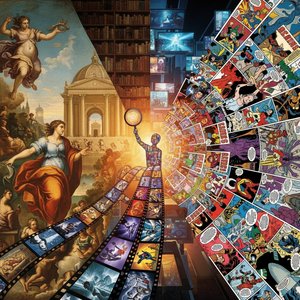
اكتشف كيف ألهمت روائع الفن التشكيلي السينما والقصص المصورة. استشارات فنية مجانية، نسخ زيتية فاخرة، وخدمات تخصيص فريدة من WahooArt.com.

Discover the art of cross-cultural interior design with WahooArt.com. Explore museum-quality reproductions & expert guidance to create a globally inspired, sophisticated home. Shop now!


ابقَ على اطلاع بأحدث أخبار الفن، والعروض الحصرية، وأفكار الديكور.
أخبرنا عن مشروعك، وسيقدم لك خبراؤنا الفنيون 3 اقتراحات فنية مخصصة لك.
دعنا نختار لك ٣ خيارات مخصصة تماماً - مجاناً!
 مشاركة

 للمزيد من المعلومات






 خيار الزجاج متاح فقط للمقاسات التي تقل عن 110 سم


