إن العمل الفني المعروض في هذه الصفحة محمي بموجب قوانين حقوق الطبع والنشر، مما يعني أنه لا يحق لنا قانوناً إنشاء أو بيع نسخ مطابقة له. وتُطبق هذه الحماية بموجب الاتفاقيات الدولية مثل الـ اتفاقية برن ووفقاً للقوانين الوطنية، بما في ذلك تلك المنصوص عليها في قانون حقوق الطبع والنشر في الولايات المتحدة - الباب 17.
تتوافق هذه الطريقة تماماً مع لوائح حقوق النشر لأنها لا تتضمن نسخ أو تكرار العمل الفني المحمي، بل هي إعادة تفسير إبداعية؛ أي أنها لوحة جديدة مستوحاة من الأصل ولكنها ليست مطابقة له.
طباعة جيكلي أو كانفاس بجودة المتاحف، مع سرعة في التنفيذ وخيارات متنوعة للتشطيب. ( شراء لوحة مرسومة يدويًا الانتقال إلى الصورة الرقمية)





























اختر من بين أحجامنا المُعدّة مسبقاً والتي تتوافق مع النسب الأصلية للعمل الفني.

أدخل العرض والارتفاع المطلوبين ليتناسب المقاس مع إطارك أو جدارك. يرجى الملاحظة أن المطبوعة يمكن قصها فقط ولا يمكن تكبيرها لتتجاوز أبعاد الصورة الأصلية، لذا فإن اختيار مقاس بأبعاد مختلفة سيؤدي إلى فقدان جزء من الصورة. سنرسل لك نموذجاً رقمياً تجريبياً لاعتماده قبل البدء في عملية الطباعة. الصورة المعروضة في هذه الصفحة لا توضح شكل القص الفعلي — النموذج التجريبي فقط هو ما يظهر ذلك بدقة.
توصيل عالمي إلى خلال أسبوعين بدلاً من المدة القياسية البالغة 4/5 أسابيع. (21 نوفمبر)
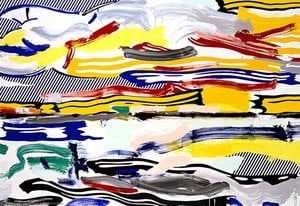
Sinking Sun
مقاس النسخة المطبوعة
Roy Lichtenstein’s Sinking Sun, painted in 1964, isn't merely a depiction of a sunset; it’s a carefully constructed meditation on the anxieties and visual language of the burgeoning Pop Art movement. Emerging from the shadows of Abstract Expressionism, Lichtenstein sought to dismantle traditional notions of fine art by embracing the imagery of popular culture – advertising, comic books, and everyday objects – transforming them into sophisticated works of art. Sinking Sun embodies this shift perfectly, capturing a fleeting moment of dramatic beauty while simultaneously hinting at an underlying sense of unease.
The painting’s genesis lies in the artist's fascination with the visual techniques employed in commercial printing, particularly the use of Ben-Day dots. This technique, borrowed from the world of mass production, creates a mosaic effect of tiny colored squares that mimics the appearance of halftone patterns found in newspapers and magazines. Lichtenstein masterfully employs this method to render the fiery hues of the sunset – vibrant yellows, deep oranges, and streaks of purple – imbuing the scene with an almost photographic quality while simultaneously distancing it from traditional representational painting. The deliberate flatness of the color fields contributes to the work’s immediate impact, drawing the viewer into its bold and dynamic composition.
The composition of Sinking Sun is deceptively simple yet profoundly effective. A dramatic sunset dominates the canvas, with a large, cloud-obscured sun positioned just above the horizon line. The clouds themselves are rendered in soft pinks and blues, creating a sense of depth and atmospheric perspective. A subtle rainbow arcs across the upper portion of the painting, adding a touch of hopeful beauty to the scene – a fleeting promise after the intensity of the sunset. However, it’s not just a picturesque landscape; the receding horizon line suggests a downward trajectory, subtly conveying a feeling of decline or transition.
The choice of subject matter itself is significant. A sinking sun has long been a potent symbol in art and literature, representing endings, mortality, and the passage of time. In Sinking Sun, this symbolism is amplified by Lichtenstein’s stylistic choices. The bright colors and simplified forms contrast sharply with the melancholic connotations of the subject matter, creating a compelling tension between beauty and sadness.
Lichtenstein’s work, including Sinking Sun, played a pivotal role in challenging established artistic conventions. By appropriating imagery from popular culture – a deliberate move away from the traditional subjects of fine art – he questioned the very definition of what constituted “art.” His use of comic book aesthetics, bold colors, and mass-produced techniques directly confronted the elitism and intellectualism often associated with the art world. Sinking Sun exemplifies this challenge, demonstrating how seemingly mundane imagery could be elevated to a level of artistic significance.
Today, Sinking Sun is recognized as an iconic image of American Pop Art and a testament to Lichtenstein’s innovative approach. Its vibrant colors, meticulous attention to detail, and subtle symbolism continue to resonate with viewers. The painting serves as a poignant reminder of the cultural landscape of its time – a period marked by rapid technological advancements, consumerism, and a growing sense of uncertainty. More than just a beautiful image, Sinking Sun offers a glimpse into the anxieties and aspirations of a generation grappling with the complexities of modernity. It’s a work that invites contemplation and rewards repeated viewing, revealing new layers of meaning with each encounter.
Further Resources: Roy Lichtenstein: Sinking sun, Roy Lichtenstein: Figures with sunset, Roy Lichtenstein: We rose up slowly, Roy Lichtenstein: Crying girl
Artist Information: Roy Fox Lichtenstein (1923-1997) was an American pop artist. He rose to prominence in the 1960s through pieces which were inspired by popular advertising and the comic book style. Much of his work explores the relationship between fine art, advertising, and consumerism.
Additional Research: Roy Lichtenstein, Roy Lichtenstein Foundation
يُقترح طباعة نسخة بحجم Medium لعمل "Sinking Sun" للفنان روي ليختنشتاين، مع إمكانية تعديل الحجم مع الحفاظ على التناسب.
تندرج لوحة "Sinking Sun" للفنان روي ليختنشتاين ضمن مدرسة Pop Art، من حقبة Modern.
تتمثل القيم المسجلة لـ "Sinking Sun" للفنان روي ليختنشتاين في: سطوع بمقدار brilliant، وإضاءة بمقدار Bright Balance.

مانهاتن، مدينة نيويورك، السابع والعشرون من أكتوبر عام 1923. يطل روي ليختنشتاين على العالم كابن لميلتون وبياتريس، حيث تشكل الطاقة الحضرية المتدفقة لهذه الحاضرة الكبرى خلفية لحياة ستتحدى في نهاية المطاف حدود الفن الرفيع. ينشأ روي في كنف أسرة يهودية من الطبقة المتوسطة العليا، ممتصاً الإيقاعات الثقافية للمدينة من خلال المتاحف وموسيقى الجاز التي تملأ أرجاءها.
تتحول مسارات مسيرته المهنية خلال منتصف القرن العشرين، حيث يبرز كشخصية رائدة في حركة "البوب آرت"، وهي حقبة تميزت بالانفصال الجذري عن ضربات الفرشاة العاطفية والثقيلة التي ميزت التعبيرية التجريدية. وبدلاً من الالتفات نحو الداخل، يوجه ليختنشتاين نظره نحو الخارج، نحو الأسطح الميكانيكية اللامعة للثقافة الاستهلاكية الأمريكية. ويجد موضوعاته الفنية في أكثر زوايا الحياة اليومية إهمالاً: في المشاهد الدرامية للقصص المصورة، والأنماط المتكررة والصارخة للإعلانات التجارية.
تعمل أعماله على تحويل اللغة العابرة للمطبوعات إلى شيء يتسم بالضخامة والخلود. ومن خلال تبني الرموز البصرية المختصرة التي يستخدمها عامة الناس، فإنه يفرض مواجهة مباشرة بين هيبة المعارض الفنية الراقية وبين النبض اليومي المعتاد للشارع. إن حضوره في عالم الفن يتسم بنوع من التجرد المتعمد، حيث استخدم ذات الأدوات المستخدمة في إعادة الإنتاج الصناعي ليعيد تعريف ماهية اللوحة الفنية.
مانهاتن، 1923. تشكل هذه المدينة المسرح الذي شهد قدوم روي فوكس ليختنشتاين إلى عالم عائلة يهودية من الطبقة المتوسطة العليا. كان والده، ميلتون، يعمل كوسيط عقاري، بينما قامت والدته، بياتريس، وهي عازفة بيانو محترفة، بتعريفه على الإيقاعات الثقافية النابضة لمدينة نيويورك. اتسمت سنواته الأولى بانغماس مزدوج في العوالم البصرية والسمعية؛ حيث قضى طفولته في استكشاف المتاحف وحضور الحفلات الموسيقية، مما نمّى لديه تقديراً عميقاً لموسيقى الجاز، وهو الشغف الذي ظل يرافقه طوال حياته.
بدأ مساره يتجه نحو الانضباط الأكاديمي في عام 1939، حين التحق بـ "رابطة طلاب الفن" في نيويورك، ليضع نفسه تحت إشراف الفنان ريجينالد مارش. في تلك المرحلة، ظل التركيز منصباً على أساسيات الرسم والتلوين. ومن تلك الاستكشافات المبكرة، انتقل نحو التعليم العالي، حيث التحق بجامعة ولاية أوهايو لمتابعة دراسته في الفنون الجميلة. وقد وفرت له هذه القاعدة الأكاديمية الرصانة التقنية التي ستشكل لاحقاً الدعامة الأساسية لانحرافاته الأكثر ثورية وجرأة عن أساليب التمثيل الفني التقليدية.
تغير مسار التعليم في حياة روي ليختنشتاين بشكل مفاجئ في عام 1943، حيث سحبته التجنيد من مقاعد الدراسة ليلقي به في غمار الجيش الأمريكي. وعلى مدار عامين، انتقل تركيزه من أروقة المرسم إلى خطوط المواجهة في أوروبا؛ فخدم في فرنسا وبلجيكا وألمانيا، مجتازًا فوضى سنوات الحرب بين عامي 1943 و1945. وخلال هذه الفترة، لم يتوقف عن كونه فنانًا، بل عمل كجندي ومخطط ورسام، حيث كان يوثق بريشته واقع محيطه بينما كانت الصراعات تصل إلى ذروتها.
انتهت الحرب، لكن العودة إلى الحياة المدنية لم تكن فورية. فبعد توقف الأعمال العدائية في عام 1945، بقي روي ليختنشتاين في فرنسا لفترة من الوقت، طامحًا للدراسة في جامعة السوربون، إلا أن هذا الطموح تبدد عندما أصيب والده بمرض عضال، مما أجبره على العودة إلى الولايات المتحدة. عاد روي إلى جامعة ولاية أوهايو ليستكمل ما بدأه، وبحلول عام 1946، كان قد أتم درجة البكالوريوس في الفنون الجميلة، مستعدًا لدخول عالم الفن الاحترافي كممارس فني متمرس.
تجد سنوات ما بعد الحرب روي ليختنشتاين وهو يتنقل عبر المشهد الأكاديمي في الغرب الأوسط والساحل الشرقي للولايات المتحدة، حيث عمل كمدرس للفنون في جامعة ولاية أوهايو، وهو منصب استمر فيه بشكل متقطع لمدة عقد من الزمان. وخلال هذه الفترة، شهد نتاجه الإبداعي تحولاً جوهرياً؛ إذ بدأ يبتعد عن ضربات الفرشاة الثقيلة والعاطفية التي ميزت التعبيرية التجريدية، ليتجه بدلاً من ذلك نحو تجربة تأويلات تكعيبية وأعمال غنائية مستوحاة من نسيج بايو الشهير. كما استكشف موضوعات الغرب الأمريكي، منتجاً سلاسل من الرسوم واللوحات التي تعكس اهتماماً متزايداً بالصور المطبوعة والمصممة بأسلوب فني مميز.
تسارعت وتيرة هذا الانتقال نحو لغة بصرية أكثر رسومية من خلال تعييناته الأكاديمية المتعددة. ففي عام 1957، انتقل إلى جامعة ولاية نيويورك في أوسويغو لتدريس التصميم الصناعي، وهو الدور الذي تزامن مع فترة من التجارب المكثفة؛ حيث بدأ في دمج شخصيات الرسوم المتحركة، مثل ميكي ماوس و بطوط، مع خلفيات تجريدية. ويمثل هذا النهج الهجين نقطة انفصال عن الفن التشكيلي التقليدي. لاحقاً، شغل منصب أستاذ مساعد في كلية دوغلاس، وجامعة روتجرز بولاية نيويورك، وجامعة ولاية نيويورك في أوسويغو. وقد وفرت له هذه البيئات الأكاديمية الاستقرار اللازم لصقل لغة بصرية ترفض ملمس الرسم التقليدي وتفضل شيئاً أكثر ميكانيكية وانفصالاً عن العاطفة المباشرة.
تتحول اللوحة في أعمال روي ليختنشتاين إلى ساحة للدقة الميكانيكية؛ حيث يتخلى عن ضربات الفرشاة التقليدية والواضحة، مستبدلاً لمسة الفنان العفوية بلغة باردة ومدروسة تحاكي الإنتاج الكمي. يتبنى روي ليختنشتاين الجماليات البصرية للقصص المصورة والإعلانات، مستخدماً ألواناً أساسية جريئة وخطوطاً سوداء عريضة لتحديد معالم موضوعاته. وتبدو الصور في أعماله منفصلة عن العاطفة المباشرة، فهي تحاكي الطبيعة المسطحة وغير الشخصية للصفحة المطبوعة، بدلاً من كونها سطحاً رُسم يدوياً.
أما الملمس الفني، فيتحقق من خلال التطبيق المنهجي والمتعمد لنقاط "بنداي". هذه الدوائر الصغيرة الملونة هي التي تخلق الظلال والتدرجات اللونية، محاكيةً المظهر التقليدي للطباعة التجارية الرخيصة. ولا يقوم روي ليختنشتاين برسم هذه النقاط بشكل فردي، بل يستخدم قوالب (استنسل) مصنوعة من البلاستيك الرقيق أو المعدن، ويمرر فوقها الفرشاة أو قطعة قماش لضمان مظهر موحد يبدو وكأنه صُنع بواسطة آلة. إن هذه التقنية تحول فعل الرسم من عملية إبداعية ذاتية إلى عملية إعادة إنتاج، مما يذيب الحدود الفاصلة بين الفن الرفيع والمنتج الصناعي.
تتجلى نقطة التحول نحو أسلوبه الفريد في عام 1961 من خلال لوحة Look Mickey؛ حيث يمثل استحضار شخصية من عالم ديزني انقطاعاً جذرياً عن تجاربه التجريدية السابقة. فبدلاً من الانغماس في ضربات الفرشاة الثقيلة والعاطفية التي ميزت العقد الماضي، اختار روي ليختنشتاين الوضوح الميكانيكي للقصص المصورة، لتعمل هذه اللوحة كجسر فني يترجم لغة الروايات الشعبية إلى تكوين بصري رسمي ضخم ومؤثر.
ومع حلول عام 1963، اتسع نطاق استقصاره البصري وتعمق؛ ففي لوحة !Whaam، تنفجر الأحداث عبر القماش، مستخدمةً المشاهد الدرامية والمجزأة من قصص الحرص المصورة لتجسيد لحظة من العنف الصاخب. وفي الوقت ذاته، تقدم لوحة Drowning Girl نوعاً مختلفاً من التوتر، حيث تركز على امرأة مغمورة في الماء، يرتسم على وجهها دموع بأسلوب فني مميز، وتتحدث عبر فقاعة نصية تعبر عن نوع من التحدي الشخصي. إن هذه الأعمال لا تكتفي بمجرد تصوير مشاهد، بل إنها تجمد الميلودراما الخاصة بآليات الإعلام الجماهيري وتحولها إلى كائنات بصرية ثابتة وجرافيكية.
وتستمر لوحة Nurse التي أبدعها عام 1964 في هذا الاستكشاف للمواضيع الرومانسية والدرامية، مستخدمةً نفس الخطوط الخارجية ذات التباين العالي ونقاط "بنداي" التي ميزت أكثر فتراته شهرة. وتظهر الشخصية، وهي ممرضة من رواية رومانسية مصورة، بنوع من التجرد الذي يؤكد على الطبيعة الاصطناعية للمادة المصدرية. لقد ظل نتاجه الفني خلال تلك الحقبة متمحوراً حول نقطة التقاطع بين العاطفة الإنسانية وعمليات إعادة الإنتاج الصناعي.
حملت حقبة الستينيات تحولاً في حياته الشخصية، حيث تزوج من دوروثي هيرزكا في عام 1968. شهدت هذه الفترة استمراره في تقديم نتاج فني غزير، موسعاً نطاق تأثيره عبر وسائط فنية متنوعة. ظل عطاؤه الإبداعي متدفقاً، حيث تجاوزت أعماله خمسة آلاف عمل فني، شملت لوحات ومنحوتات وجداريات. ومع مرور الوقت، تجاوز روي ليختنشتاين مرحلة الصدمة الأولى التي أحدثها أسلوبه المستوحى من القصص المصورة، لينطلق نحو استكشاف تكوينات أكثر تعقيداً، بما في ذلك سلاسل فنية استلهمت من الفن الكلاسيكي والمناظر الطبيعية.
جاءت النهاية بشكل مفاجئ في أواخر التسعينيات؛ ففي أغسطس من عام 1997، أصيب بالتهاب رئوي، وكانت شدة المرض تفوق قدرة جسده على المقاومة. ليرحل عن عالمنا في 29 سبتمبر 1997 إثر مضاعفات ذلك الالتهاب، تاركاً وراءه إرثاً فنياً خالداً وهو في الثالثة والسبعين من عمره.
تلاشت الحدود الفاصلة بين الفن الرفيع والثقافة الشعبية في أعقاب تأثيره العميق؛ فمن خلال الارتقاء باللغة البصرية للقصص المصورة والإعلانات إلى ردهات المعارض الفنية، فرض روي ليختنشتاين مواجهة حتمية بين الفن التشكيلي والصور المنتجة بكميات ضخمة في الحياة اليومية. لم يقتصر هذا التحول على تغيير موضوعات اللوحة فحسب، بل تحدى المفهوم الجوهري لمفهوم المؤلف الفني والأصالة الإبداعية، لتظل أعماله محفزاً دائماً للحوار النقدي حول تقاطع الفن مع الثقافة والتجارة.
إن حضور روي ليختنشتاين ملموس في كبرى المجموعات المتحفية حول العالم؛ فمن قاعات متحف "تيت" في لندن إلى متحف الفن الحديث في نيويورك، تظل جمالياته جزءاً أساسياً من السجل الفني الحديث. ويمتد أثر أسلوبه ليشمل التصميم الجرافيكي، والرسوم التوضيحية، والفن الرقمي المعاصر، حيث لا يزال الصراع بين المظهر الميكانيكي واللمسة اليدوية يتردد صداه في تلك المجالات. لم يكتفِ روي ليختنشتاين بالمشاركة في حركة البوب آرت فحسب، بل ساهم في نشأتها، مؤسساً مفردات بصرية لا تزال تمثل مرجعاً أساسياً لكيفية استهلاكنا للصور في عصر مشبع بالوسائط الإعلامية.

1923 - 1997 , الولايات المتحدة

Explore the psychological depth of Roy Lichtenstein's color theory. An expert analysis for art students and collectors on Ben-Day dots, primary palettes, and the intersection of Pop Art with mass media history.

Explore the fascinating history of Pop Art, from its rebellious origins to its enduring influence on contemporary artists. Discover key figures like Warhol & Lichtenstein and learn about collecting this iconic movement.
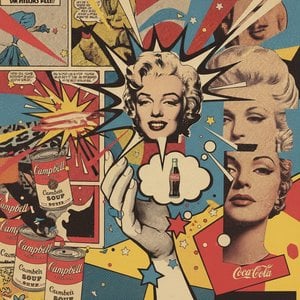
Immerse yourself in the vibrant legacy of Pop Art. Explore the stories, bold colors, and iconic techniques behind ten legendary masterpieces that redefined modern culture. Find museum-quality reproductions to elevate your space. Discover all masterpieces on WahooArt.com.

Immerse yourself in the vibrant world of Pop Art with our curated guide to Roy Lichtenstein's top 25 masterpieces. Explore the stories behind his iconic Ben-Day dots and bold comic aesthetics. Find museum-quality reproductions for your decor at WahooArt.com. Discover all masterpieces online.

Explore Roy Lichtenstein's revolutionary Pop Art! Discover the story behind Ben-Day dots, iconic works like 'Whaam!', and investment insights for collectors. Expert analysis & high-quality reproductions at WahooArt.
 معاينة الحجم الواقعي
 مشاركة
 مشاركة
 التفاصيل
 دليل
دليل

 تحميل الملف
 قطع مشابهة
 الأشعة السينية
 عرض شرائح
 الأسئلة والأجوبة
 الإحصائيات

 عرض المزيد









 خيار الزجاج متاح فقط للمقاسات التي تقل عن 110 سم