The Electric Pulse of Pop Art: Reimagining Brattata
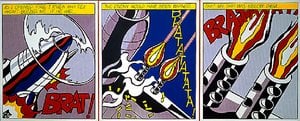
Brattata, a 1962 masterpiece by the visionary Roy Lichtenstein, serves as a thunderous declaration of the power inherent in popular culture. At first glance, the painting presents itself as a single, high-octle panel plucked from the pages of a mid-century comic book, specifically inspired by DC Comics’
All-American Men of War #89. Yet, to view it merely as a reproduction of pulp fiction is to miss its profound artistic rebellion. Lichtenstein takes the ephemeral, disposable imagery of mass media and elevates it to the status of high art, freezing a moment of intense aerial combat within the dignified confines of an oil on canvas. The composition centers on a pilot, his face etched with a grim, focused determination, surrounded by the mechanical chaos of a cockpit. Through this lens, Lichtenstein invites us to find beauty in the manufactured and significance in the mundane, making it an irresistible centerpiece for any collection that celebrates the intersection of fine art and modern iconography.
A Symphony of Dots and Primary Colors
The technical brilliance of
Brattata lies in Lichtenstein’s meticulous mimicry of commercial printing processes. He famously employed the Ben-Day dot technique—a method of using small, closely spaced colored dots to create shading and secondary colors—to replicate the halftone look of cheap newsprint. This deliberate choice creates a fascinating tension between the hand-painted nature of the work and its machine-made appearance. The color palette is strikingly bold, dominated by the primary triad of red, yellow, and blue. These vibrant blocks of color are delineated by thick, authoritative black outlines that lend the piece a graphic, almost architectural strength. For the interior designer, this high-contrast aesthetic offers a dynamic energy; the way the bright yellows and reds pop against the structured lines makes the artwork a commanding focal point in contemporary or minimalist spaces, injecting a sense of rhythmic movement and visual excitement into a room.
Narrative Tension and the Modern Icon
Beyond its striking surface,
Brattata pulsates with an underlying narrative intensity. The inclusion of a text balloon—bearing the words, "That was their mistake - because it gave me more targets than I could have shot at"—anchors the visual action in a specific moment of strategic calculation and wartime drama. This dialogue does more than just tell a story; it integrates language directly into the visual texture of the painting, blurring the line between reading and viewing. The subject matter reflects the cultural anxieties of the Cold War era, capturing the tension of military preparedness through a stylized, almost detached lens. There is an emotional duality at play: the visceral excitement of combat paired with the cool, calculated detachment of the Pop Art movement. For collectors, owning a piece like
Brattata means possessing a fragment of history that continues to challenge our perceptions of heroism, technology, and the very definition of artistic originality.
الأسئلة والأجوبة
إلى أي مرحلة من مسيرة روي ليختنشتاين المهنية تعود تاريخ 1962 لعمل "Brattata"؟
يضع تاريخ 1962 لوحة "Brattata" ضمن مرحلة Mature Period من مسيرة تطور روي ليختنشتاين.
كم كان عمر روي ليختنشتاين عند إبداع "Brattata" في عام 1962؟
كان عمر روي ليختنشتاين يبلغ 39 عاماً عند إبداع العمل "Brattata" في عام 1962. تم حساب العمر بناءً على سنة ميلاد الفنان، 1923.
إلى أي مرحلة من مسيرة روي ليختنشتاين الفنية تنتمي لوحة "Brattata"؟
"Brattata" represents the Mature Period of روي ليختنشتاين.
ما مدى إشراق "Brattata" بشكل عام؟
تتمتع لوحة "Brattata" للفنان روي ليختنشتاين بسطوع ملحوظ يبلغ bright، مما يجعلها متناغمة مع الإضاءة في المساحة المخصصة لها.
ما هو تاريخ إبداع "Brattata" للفنان روي ليختنشتاين؟
يعود تاريخ إبداع "Brattata" للفنان روي ليختنشتاين إلى عام 1962.
ما هو الموضوع والأجواء التي يجمع بينها "Brattata" للفنان روي ليختنشتاين؟
تُصور "Brattata" للفنان روي ليختنشتاين موضوعات comic book, aerial combat, pilot helmet, ben-day dots, dialogue balloon, neon colors, military imagery، في أجواء Dramatic. ويصف الموضوع والأجواء معاً هذا العمل الفني.
من هو الفنان الذي أبدع "Brattata"؟
تم إبداع "Brattata" بواسطة روي ليختنشتاين. وتصف المعلومات الواردة في هذه الصفحة العمل الأصلي لـ روي ليختنشتاين.



 معاينة الحجم الواقعي
 التبديل إلى المطبوعات
 إرسال
إرسال مشاركة
 عرض التفاصيل
 دليل الأعمال الفنية للطلاب

 تحميل
تحميل
 قطع مشابهة
 الأشعة السينية
 عرض شرائح متتابع
 الإحصائيات


 اقرأ المزيد






































 خيار الزجاج متاح فقط للمقاسات التي تقل عن 110 سم