
استشارة فنية مجانية

x
اطلب نسخة مرسومة يدوياً اطلب نسخة مرسومة يدوياًشراء الصورة بدقة عالية شراء الصورة بدقة عالية مشاركةمشاركة
التفاصيلالتفاصيل أضف إلى المفضلة أضف إلى المفضلة تحميل الملفتحميل الملف قطع مشابهةقطع مشابهة الأشعة السينيةالأشعة السينية عرض شرائحعرض شرائح

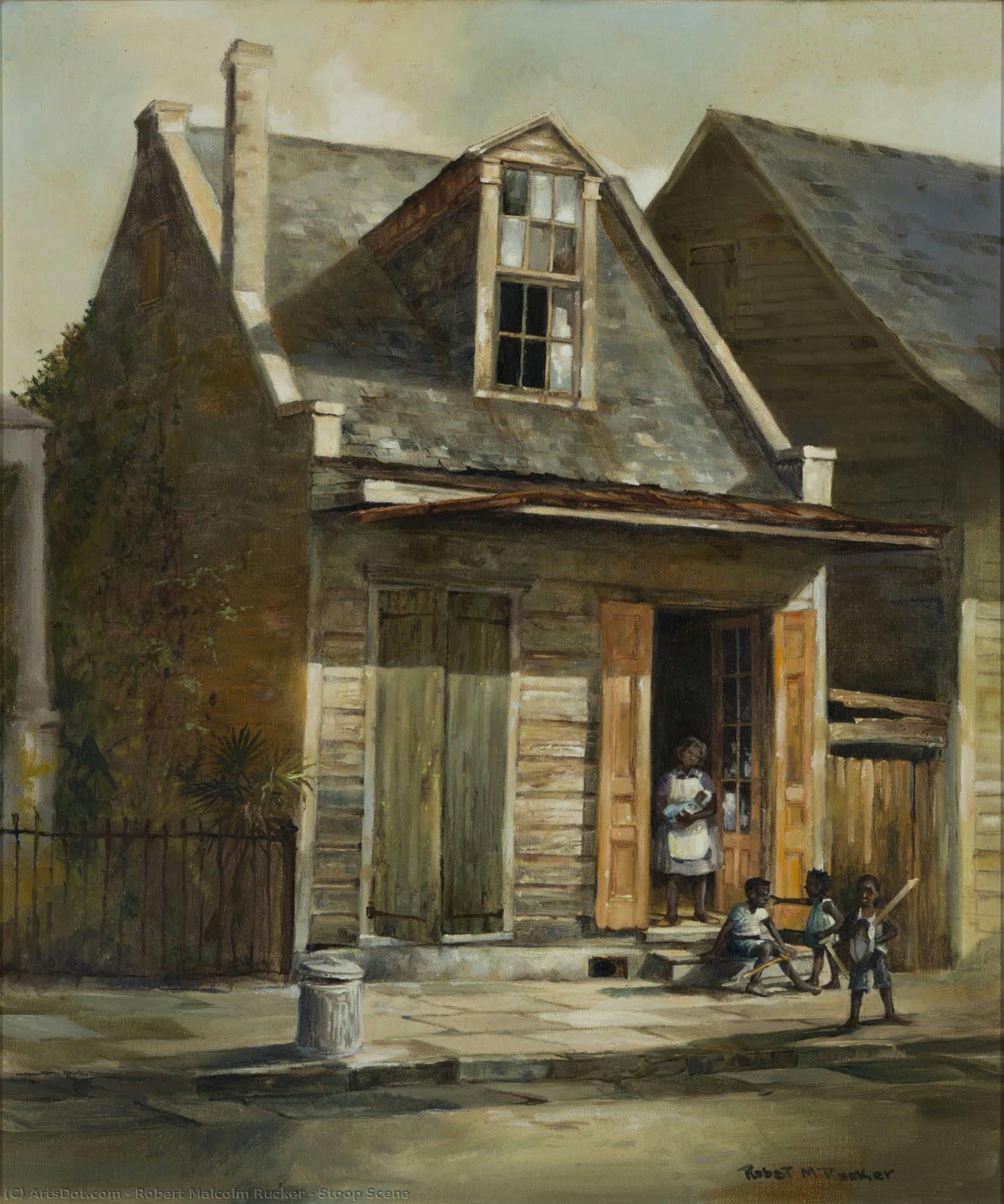
Stoop Scene

Explore Robert Malcolm Rucker’s ‘Stoop Scene,’ a 1970 oil painting of rural Creole life. Admire its realistic style, muted colors & rich textures depicting everyday community.

Discover the impressionistic art of Robert Malcolm Rucker, a Louisiana legend known for vibrant landscapes & cultural heritage. Explore his legacy.

طباعة جيلي / مطبوعات فنية

طباعة جيكلي أو كانفاس بجودة المتاحف، مع سرعة في التنفيذ وخيارات متنوعة للتشطيب.

Standard
custom
CM
INCH

اختر من بين أحجامنا المُعدّة مسبقًا والتي تتطابق مع النسب الأصلية للعمل الفني.

العرض
الارتفاع

يمكنك إدخال أبعادك الخاصة لتناسب إطاراً أو مساحة معينة. وإذا لم يتطابق الحجم الذي اخترته مع نسب الصورة الأصلية، فسنقوم إما بقص العمل الفني أو تمديد الصورة باستخدام حافة معكوسة أو بلون مصمت. سيتم إرسال نموذج تجريبي رقمي لاعتمادك قبل بدء الإنتاج.
يرجى ملاحظة أن المعاينة على الشاشة لا تعكس عملية القص أو التمديد الفعلية؛ حيث سيوضح النموذج التجريبي فقط التكوين النهائي بدقة.
وعلى الرغم من توفر أحجام مخصصة، إلا أننا نوصي باختيار أبعاد من القائمة المحددة مسبقاً للحفاظ على النسب الأصلية.

توصيل عالمي إلى خلال أسبوعين بدلاً من المدة القياسية البالغة 4/5 أسابيع. 16 يوليو

why_choose_icon
شحن سريع ومجاني لجميع أنحاء العالم
why_choose_icon
قماش كتان عالي الجودة
why_choose_icon
تأمين شحن شامل
why_choose_icon
ضمان استرداد الرسوم الجمركية
why_choose_icon
ضمان مطابقة الألوان الحقيقية
why_choose_icon
سياسة الإرجاع خلال 60 يومًا (في حالات العيوب فقط)
why_choose_icon
ضمان استرداد نقدي بنسبة 100%
why_choose_icon
خصم عند طلب عدة قطع

إجمالي السعر

-

reproduction

Stoop Scene

طباعة جيلي / مطبوعات فنية

مقاس النسخة المطبوعة

-

السعر الإجمالي النهائي

-


السيرة الذاتية للفنان

Richard Kemble: A Quiet Master of Woodcuts

Richard Kemble, born in Erie, Pennsylvania in 1932 and passing away in 2007, wasn’t a name that frequently echoed through the halls of grand museums or dominated art headlines. Yet, within his deceptively simple woodcut prints and pastel landscapes lies a profound quietude and an understated mastery of line and texture – qualities that have earned him a devoted following among collectors and a deserved recognition as a significant figure in American printmaking. His life was one dedicated to teaching and creating, culminating in over 350 print editions, primarily woodcuts, crafted during the latter half of his career, largely at his residences in Key West, Florida, and Nantucket, Massachusetts. Kemble’s journey wasn't defined by dramatic pronouncements or radical departures; instead, it was a slow, deliberate cultivation of a unique visual language rooted in observation and a deep appreciation for the natural world.

Early Life and Artistic Foundations

Kemble’s early life provided a grounding in both artistic principles and pedagogical practice. He began his formal training at the State University at Buffalo, where he taught for nearly two decades, shaping generations of students with a patient and insightful approach. Later, he found a new home as a professor at Pratt Institute in New York City, further expanding his influence within the art community. Crucially, it was during this period that Kemble received a prestigious fellowship from the National Endowment for the Arts – a pivotal moment that allowed him to dedicate himself fully to his artistic pursuits. This recognition underscored the value he placed on craftsmanship and the importance of sustained creative exploration. His early exposure to the works of realist painters like Edgar Degas, Edward Hopper, and Thomas Eakins profoundly influenced his approach to depicting the world around him, instilling a meticulous attention to detail and an ability to capture fleeting moments of beauty and stillness.

The Development of a Distinctive Style

Kemble’s artistic style evolved gradually over time, reflecting both his technical skill and his evolving aesthetic sensibilities. Initially, he produced prints that were closely aligned with the traditions of wood engraving, characterized by sharp lines and precise rendering. However, as he gained experience and honed his technique, he began to experiment with looser, more expressive approaches. He developed a distinctive squeegee technique – using a tool to push and scrape paint across the canvas – which created a textured surface that added depth and richness to his prints. This method, combined with his careful selection of subjects—primarily landscapes and scenes of everyday life—resulted in works that possessed a remarkable sense of immediacy and intimacy. His later work shifted towards more abstract compositions, exploring the interplay of color and line in ways that were both subtle and evocative. The influence of Japanese *emakimono* (woodblock prints) is evident in his use of layered colors and simplified forms, demonstrating an appreciation for traditional techniques while forging a distinctly personal style.

Themes and Influences

Kemble’s work is often characterized by its quiet contemplation and understated beauty. He rarely addressed overtly political or social themes, instead focusing on capturing the essence of his subjects—the changing seasons, the textures of nature, and the simple pleasures of everyday life. The influence of photography is palpable in his meticulous attention to detail and his ability to render light and shadow with remarkable accuracy. However, unlike photorealist painters who sought to replicate photographs exactly, Kemble used photography as a starting point for his own creative explorations, transforming images into works of art through the process of printmaking. The legacy of European landscape painting—particularly the work of Impressionists like Monet and Pissarro—is also evident in his use of color and his emphasis on capturing the fleeting effects of light.

Legacy and Significance

Richard Kemble’s contribution to American printmaking may not be widely celebrated, but it is nonetheless significant. His quiet dedication to craft, his masterful technique, and his understated aesthetic have earned him a devoted following among collectors and art enthusiasts. His work stands as a testament to the power of observation, the beauty of simplicity, and the enduring appeal of traditional printmaking techniques. While he avoided the spotlight, Kemble’s prints—characterized by their quiet elegance and profound sense of stillness—continue to resonate with viewers today, offering a moment of respite from the complexities of modern life. His legacy lies not in grand pronouncements or revolutionary gestures, but in the subtle beauty and enduring quality of his woodcut prints – a testament to a lifetime spent quietly observing and translating the world onto paper.
robert malcolm rucker

robert malcolm rucker

1932 - 2001 , United States of America

حقائق سريعة

  • Artistic Movement Or Style: Photorealism
  • Artists Or Movements Influenced By This Artist:
    • Chuck Close
    • Photorealism movement
  • Artists Who Influenced This Artist:
    • Edgar Degas
    • Edward Hopper
    • Thomas Eakins
  • Date Of Birth: May 14, 1932
  • Full Name: Richard Estes
  • Nationality: American
  • Notable Artworks:
    • Telephone Booths
    • Cityscapes
    • Van Gogh portraits
  • Place Of Birth: New York City, USA





































