


طباعة جيكلي أو كانفاس بجودة المتاحف، مع سرعة في التنفيذ وخيارات متنوعة للتشطيب. ( اشترِ لوحة مرسومة يدويًا اشترِ الصورة)





























اختر من بين أحجامنا المُعدّة مسبقًا والتي تتطابق مع النسب الأصلية للعمل الفني.

يمكنك إدخال أبعادك الخاصة لتناسب إطاراً أو مساحة معينة. وإذا لم يتطابق الحجم الذي اخترته مع نسب الصورة الأصلية، فسنقوم إما بقص العمل الفني أو تمديد الصورة باستخدام حافة معكوسة أو بلون مصمت. سيتم إرسال نموذج تجريبي رقمي لاعتمادك قبل بدء الإنتاج.
يرجى ملاحظة أن المعاينة على الشاشة لا تعكس عملية القص أو التمديد الفعلية؛ حيث سيوضح النموذج التجريبي فقط التكوين النهائي بدقة.
وعلى الرغم من توفر أحجام مخصصة، إلا أننا نوصي باختيار أبعاد من القائمة المحددة مسبقاً للحفاظ على النسب الأصلية.
توصيل عالمي إلى خلال أسبوعين بدلاً من المدة القياسية البالغة 4/5 أسابيع. 7 سبتمبر


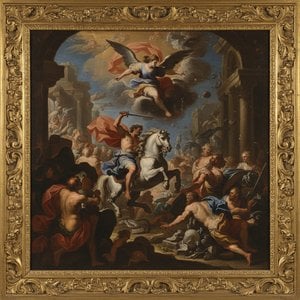
HERCULE SUR LE BUCHER
مقاس النسخة المطبوعة
In the grand theater of the Baroque era, few images capture the raw intersection of human agony and divine destiny as poignantly as Guido Reni’s Hercules Sur Le Bucher. Painted during the height of the seventeenth century, this monumental work serves as a breathtaking window into a moment of profound mythological crisis. As the legendary hero Hercules prepares for his pyre, the canvas vibrates with an almost palpable tension. Reni does not merely depict a scene from antiquity; he orchestrates a cosmic drama where the muscular weight of the mortal form meets the swirling, ethereal uncertainty of the heavens. For the discerning collector or lover of classical beauty, this piece offers more than just visual splendor—it provides a window into the very soul of Baroque classicism.
The composition is a masterclass in directed movement, utilizing a sweeping diagonal trajectory that pulls the viewer’s gaze from the lower left toward the upper right. This upward surge mimics the hero's own struggle, creating a sense of breathless ascension amidst a turbulent sky. Reni employs chiaroscuro with unparalleled skill, casting deep, oppressive shadows that contrast sharply against the radiant light illuminating Hercules’ torso and face. This interplay of light and dark does more than create depth; it mirrors the internal conflict of a man caught between his earthly labors and his impending apotheosis. The flesh tones are rendered with an anatomical precision that celebrates the strength of the human spirit, while the surrounding clouds appear as restless, painterly strokes of grey and azure, suggesting a world in flux.
Beyond its striking visual impact, Hercules Sur Le Bucher is steeped in layers of symbolic meaning that resonate with anyone moved by themes of resilience and transformation. The figure of Hercules, stripped of his armor and vulnerable yet powerful, represents the eternal struggle against adversity. The swirling clouds and stormy atmosphere serve as metaphors for the chaotic forces of fate and divine intervention that govern the lives of even the greatest legends. In the context of interior design, such a piece acts as a profound focal point, bringing an air of intellectual depth and dramatic gravitas to any curated space. It is a work that demands attention, inviting contemplation on the nature of suffering and the eventual triumph of the heroic will.
The palette chosen by Reni—a sophisticated blend of earthy ochres, deep browns, and sudden flashes of ivory—grounds the mythological subject in a tangible, visceral reality. This careful balance of warmth and coolness ensures that the painting remains both emotionally accessible and aesthetically timeless. For those seeking to adorn a home or gallery with a high-quality reproduction, this artwork offers an unparalleled opportunity to embrace the elegance of the Italian Baroque. It is an invitation to live surrounded by art that does not merely decorate a wall, but tells a story of enduring strength, capturing a moment where the mortal and the divine collide in a spectacular display of artistic mastery.

ولد غيدو ريني، المعروف أيضًا باسم Le Guide، في مدينة بولونيا الإيطالية عام 1575. كان الابن الوحيد لدانييلي ريني، وهو موسيقي موهوب، وجينيفرا بوزي، القادمة من عائلة فنية مرموقة. نشأ غيدو في بيئة تقدّر الانسجام والجمال، مما أثر بعمق على تطوره الفني لاحقًا. بدأ دروسه في الرسم في سن مبكرة جدًا، التاسعة من عمره، تحت إشراف دينيس كالفارت، وهو رسام فلامنكي كان يعمل في بولونيا آنذاك. درس جنبًا إلى جنب مع فنانين طموحين مثل ألباني ودومينيكو، مما ساهم في بناء أساس قوي له في المبادئ الكلاسيكية.
امتدت المسيرة الفنية لريني لتشمل مدنًا إيطالية بارزة مثل روما ونابولي ومدينته الأم بولونيا. في بداية مسيرته، تأثر بأعمال كالفارت وأخوة كارّاتشي، مع التركيز على الدقة التشريحية والتكوينات الدرامية. لكن سرعان ما طور ريني أسلوبه الخاص الذي تميز بالكلاسيكية الأنيقة والتقنية المتقنة والعاطفة الجياشة. أصبح شخصية مهيمنة في مدرسة بولونيا الفنية، المعروفة بتركيزها على التدريب الأكاديمي والأشكال المثالية. لم يكن ريني رسامًا فحسب، بل كان أيضًا شاعرًا ومفكرًا مرموقًا في عصره.
تنوع إنتاج ريني ليشمل مجموعة واسعة من الموضوعات، بما في ذلك المشاهد الدينية والروايات الأسطورية والتعبيرات الرمزية. من بين أعماله الأكثر شهرة:
غالبًا ما يوصف أسلوب ريني بأنه كلاسيكية انتقائية. جمع بين دقة الفن الكلاسيكي وديناميكية وعاطفة فترة الباروك. تتميز شخصياته عادةً بالمثلية والجمال الهادئ والحركة الرشيقة. كان ريني يتمتع بقدرة فريدة على إضفاء الحياة على لوحاته من خلال استخدام الضوء والظل والتعبير الدقيق.
لعب غيدو ريني دورًا حاسمًا في تشكيل تطور أسلوب الباروك العالي في إيطاليا. ألهم أجيالاً من الفنانين بتقنيته المتقنة وتكويناته الأنيقة وعمقه العاطفي. يمكن العثور على أعماله في متاحف بارزة حول العالم، بما في ذلك قصر كابوديمونتي في نابولي. يمتد إرث ريني إلى ما هو أبعد من الرسم؛ فقد كان أيضًا شاعرًا وشخصية فكرية محترمة في عصره. لا تزال لوحاته تلهم الفنانين وعشاق الفن اليوم، مما يؤكد مكانته كواحد من أهم رسامي القرن السابع عشر.
توفي غيدو ريني في بولونيا عام 1642، تاركًا وراءه إرثًا فنيًا غنيًا يستمر في إبهار الجماهير لقرون.

1575 - 1642 , إيطاليا
Explore the breathtaking power of Baroque art. Delve into the dramatic interplay of light, shadow, and motion through the works of masters like Caravaggio. Discover how the era's intense emotional realism continues to inspire collectors and connoisseurs of classical grandeur.

Embark on a sophisticated journey through Italian Baroque art. Discover the dramatic interplay of light and emotion in Caravaggio’s masterpieces and explore how to bring this timeless grandeur into your collection with expert art insights.

 معاينة الحجم الحقيقي
 مشاركة
 مشاركة
 التفاصيل

 تحميل الملف
 قطع مشابهة
 الأشعة السينية
 عرض شرائح


 عرض المزيد







 خيار الزجاج متاح فقط للمقاسات التي تقل عن 110 سم


