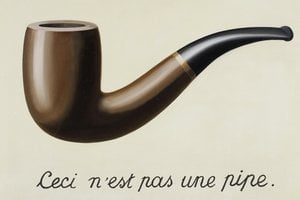
Oil On CanvasWallArtSurrealism
 1929Early Medieval
 41.0 x 27.0 cm
لوحة زيتية مرسومة يدوياً على الكانفاس بالمقاس والإطار الذي تفضله، تُنفذ حسب الطلب على أيدي فنانينا. ( اشترِ نسخة مطبوعة اشترِ الصورة)





























اختر من بين أحجامنا المُعدّة مسبقًا والتي تتطابق مع النسب الأصلية للعمل الفني.

يمكنك إدخال أبعادك الخاصة لتناسب إطارًا معينًا أو مساحة محددة. وإذا لم يتطابق الحجم الذي اخترته مع نسب الصورة الأصلية، فسنقوم إما بقص العمل الفني أو توسيع اللوحة بإضافة عناصر مرسومة يدويًا. سيتم إرسال نموذج رقمي إليك للموافقة عليه قبل بدء الإنتاج.
يرجى ملاحظة أن المعاينة على الشاشة لا تعكس عملية القص أو التوسيع الفعلية؛ حيث إن النموذج الرقمي وحده هو الذي سيوضح التكوين النهائي بدقة.
وعلى الرغم من توفر أحجام مخصصة، إلا أننا نوصي باختيار أبعاد من القائمة المحددة مسبقًا للحفاظ على النسب الأصلية للعمل الفني.
توصيل عالمي إلى خلال 3 إلى 4 أسابيع بدلاً من المدة المعتادة البالغة 5 أسابيع. (6 سبتمبر). جودة لا تهاون فيها.


The tree of knowledge
مقاس النسخة المطبوعة
René Magritte's "The Tree of Knowledge," painted in 1929, isn’t merely a depiction of an image; it’s a carefully constructed invitation into the realm of dreams and the unsettling beauty of the subconscious. This seminal work from the heart of Surrealism embodies Magritte’s signature style – a deliberate disruption of reality designed to provoke contemplation and challenge our assumptions about perception. The painting immediately arrests the eye with its stark simplicity: a hazy, amorphous white form dominates the canvas, resembling both a cloud and a vaguely human silhouette. Within this ethereal shape reside two enigmatic words, “sabre” (sword) and “cheval” (horse), rendered in bold black lettering, creating an immediate tension between the familiar and the utterly bizarre.
The painting’s foundation is a muted blue background, subtly layered to suggest depth without relying on traditional perspective. Beneath this, a cylindrical grey form anchors the composition, providing a grounding element that contrasts sharply with the floating, dreamlike quality of the central figure. This juxtaposition—the solid and the ephemeral—is characteristic of Magritte's approach: he frequently placed ordinary objects within illogical contexts to expose the inherent strangeness of our visual experience. The deliberate lack of detail, the smooth, almost porcelain-like texture of the forms, contributes to a sense of detachment, as if we’re observing a scene from a half-remembered dream.
“The Tree of Knowledge” is rich with symbolic resonance, drawing heavily on the biblical narrative of Adam and Eve. The painting directly references the “Tree of Knowledge of Good and Evil,” a central motif in Genesis, representing the forbidden fruit that led to humanity’s expulsion from paradise. However, Magritte doesn't offer a straightforward illustration; instead, he presents a fragmented, abstracted version of this foundational myth. The words "sabre" and "cheval," seemingly unrelated, can be interpreted as symbols of power (the sword) and movement/warfare (the horse), suggesting the consequences of transgression – conflict, loss, and the inherent duality within human nature.
Interestingly, Magritte’s work also echoes ancient myths surrounding the tree of knowledge in other cultures. As research reveals, scholars have proposed various interpretations, including associations with wisdom, sexuality, or even a representation of the fundamental elements of existence – matter, life, mind and culture. The painting's ambiguity deliberately resists a single, definitive meaning, inviting viewers to project their own experiences and anxieties onto the scene.
Magritte’s masterful execution lies in his meticulous attention to detail despite the overall dreamlike quality of the work. “The Tree of Knowledge” was likely created using oil paint on canvas, a medium that allowed him to achieve the smooth, almost polished surfaces characteristic of his style. The absence of visible brushstrokes—no impasto or textural variation—further enhances the painting’s unsettling effect, creating an illusion of perfect stillness and timelessness. This technique contributes to the feeling that we are witnessing a frozen moment in a surreal landscape.
The color palette is deliberately restrained – primarily blues, whites, blacks, and grays – reinforcing the sense of detachment and emphasizing the painting’s symbolic weight. The muted tones create an atmosphere of quiet contemplation, inviting viewers to linger and ponder the hidden meanings within the composition. It's a testament to Magritte's ability to evoke profound emotion through deceptively simple means.
“The Tree of Knowledge” stands as a cornerstone of Surrealism, embodying the movement’s core principles of challenging conventional reality and exploring the depths of the unconscious mind. Magritte's work continues to resonate with audiences today because it taps into universal anxieties about knowledge, morality, and the limitations of human perception. The painting’s enduring appeal lies in its ability to simultaneously fascinate and unsettle, prompting us to question our own assumptions about the world around us. Reproductions of this iconic artwork offer a tangible connection to one of the 20th century's most influential artists – a portal into a world where logic yields to imagination.

René Magritte، المولد في ليونسيس، بلجيكا في ٢١ نوفمبر ١٨٩٨، دخل عالمًا سيشكل رؤيته الفنية الفريدة بشكل عميق. لم تكن سنوات طفولته محطمة بالكامل، فالإرهاق الذي عاناه كان بسبب وفاة والدته عندما كان يبلغ من العمر ثلاثة عشر عامًا فقط. صورة جسدها وهو يتم إرجاعه من نهر السامبر، مع تغطيته لوجهها، أصبحت موثقًا غريبًا سيظل يتجسد في أعماله اللاحقة، ويظهر في شخصيات مغطاة بالكامل واستكشاف دائم للحقائق الخفية. هذه الصدمة المبكرة زرعت فيه شغفًا بالمرح والضياع وقوة ما يبقى غير مرئيًا. على الرغم من أن تفاصيل طفولته تظل إلى حد كبير غامضة، إلا أنه من الواضح أن هذه التجربة الوجودية شكلت الأساس لأسلوبه الفني الذي لا يزال يتساءل عن الإدراك والتعبير البصري مدى الحياة.
لم يكن مسار Magritte الفني سلسًا أو مباشرًا. درس في أكاديمية بروكسيل الملكية للفنون الجميلة، لكنها رفضت أساليبها التقليدية، مما جعله يبحث عن طرق جديدة للتعبير عن نفسه وتشكيله كواحد من أبرز الشخصيات في الفن السريالي. بدأ بتلقي دروس الرسم في سن العاشرة، حيث ظهر فيه ميل فطري للتعبير البصري، لكنه استكشف البارانويا والواقعية بشكل متقاطع قبل أن يلتزم بالسريالية، على الرغم من أنه حافظ على مسافة فريدة من أساليب بعض رفاقه الأكثر تركيزًا على النفس وعلاقتها بالخيال اللاواعي. كان Magritte مهتمًا بتحديد الألوان والتكوينات بدقة عالية، باستخدام تقنيات واقعية لتصوير السيناريوهات غير المنطقية.
في عام ١٩٢٦، استقبل Magritte بشكل كامل المبادئ الأساسية للسريالية، حيث أنتج *Le Jockey Perdu (الجارى الضائع)*، والذي يُعتبر على نطاق واسع أول عمل سريالي حقيقي له. ومع ذلك، لم يكن أسلوبه السريالي يركز على استكشاف اللاوعي من خلال التفكير الحر أو الصور الحالمة بالطريقة التي فعل بها بعض رفاقه، بل سعى إلى تحدي إدراك المشاهد للواقع عن طريق تقديم الأشياء العادية في سياقات غير متوقعة، مما أجبر المشاهدين على التشكيك في افتراضاتهم حول العالم من حولهم. كانت أعمال مثل *الخيانة بالصور (هذا ليس أنبوبًا)* تحفة فنية تكسر العلاقة بين الصورة والشيء نفسه، وتذكرنا بأن التمثيل هو الشيء نفسه وليس شيئًا آخر. كان *الحب بين الزوجين* رمزًا للضياع والغموض، ويستكشف موضوعات الإخفاء والتواصل بشكل عميق.
على الرغم من الصعوبات التي واجهته في الحصول على التقدير الأولي، إلا أن عمل Magritte بدأ يكتسب مكانة تدريجية، خاصة في الولايات المتحدة مع المعارضات التي أقيمت في عام ١٩٣٦ وفي وقت لاحق المعارضات الاستثنائية التي استضافتها المتاحف الكبرى مثل متحف المودرن في نيويورك وعملاق الفنون في متروبوليتان في عام ١٩٦٥ و١٩٩٢ على التوالي. ظل Magritte ملتزمًا بالنشاط السياسي طوال حياته، ودعا إلى الاستقلالية الفنية، واستمر في تحسين أسلوبه المميز، وتحديد الألوان والتكوينات بدقة عالية، باستخدام تقنيات واقعية لتصوير السيناريوهات غير المنطقية. كان Magritte قد حقق مكانة مرموقة بين الفنانين السرياليين وأحد أبرز الشخصيات الفنية في القرن العشرين، حيث أثبت أن الفن يمكن أن يثير التفكير ويُلهم الدهشة.
تكمن إرث Magritte في قدرته على جعلنا نرى العالم من حولنا بطريقة جديدة، وتحدي افتراضاتنا عن الواقع، وتقدير قوة الفن لإحداث تغيير اجتماعي وإلهام العقلانية والجمال. لم يكن مجرد رسم صور؛ بل كان يصنع مفارقات بصرية تواصل تأثيرها مع الجمهور لأجيال بعد أن تم إنتاجها، مما عزز مكانته كواحد من أعظم الفنانين السرياليين وأحد الشخصيات الفنية الأساسية في القرن العشرين. لا يزال عمل Magritte يُحتفى به ويُقيم في المتاحف الكبرى حول العالم، بما في ذلك متاحف بروكسيل الملكية للفنون الجميلة التي تستضيف متحف Magritte الذي يقدم أكبر مجموعة لأعماله وتضم أكثر من خمسين ألف قطعة فنية.

1898 - 1967 , بلجيكا

Delve into the profound mysteries of René Magritte’s Surrealism. Explore an expert analysis of 'The Treachery of Images,' decoding the philosophical paradoxes and visual subversions that redefined modern art history for collectors and connoisseurs alike.

Embark on a journey through the subconscious with our expert guide to Surrealism. Discover the profound symbolism of masters like Dalí and Ernst, exploring how dreamlike imagery reshaped art history and continues to inspire collectors and enthusiasts worldwide.

 معاينة الحجم الحقيقي
 مشاركة
 مشاركة
 التفاصيل

 تحميل الملف
 قطع مشابهة
 الأشعة السينية
 عرض شرائح
 عرض المزيد







 خيار الزجاج متاح فقط للمقاسات التي تقل عن 110 سم