


طباعة جيكلي أو كانفاس بجودة المتاحف، مع سرعة في التنفيذ وخيارات متنوعة للتشطيب. ( اشترِ لوحة مرسومة يدويًا اشترِ الصورة)





























اختر من بين أحجامنا المُعدّة مسبقًا والتي تتطابق مع النسب الأصلية للعمل الفني.

يمكنك إدخال أبعادك الخاصة لتناسب إطاراً أو مساحة معينة. وإذا لم يتطابق الحجم الذي اخترته مع نسب الصورة الأصلية، فسنقوم إما بقص العمل الفني أو تمديد الصورة باستخدام حافة معكوسة أو بلون مصمت. سيتم إرسال نموذج تجريبي رقمي لاعتمادك قبل بدء الإنتاج.
يرجى ملاحظة أن المعاينة على الشاشة لا تعكس عملية القص أو التمديد الفعلية؛ حيث سيوضح النموذج التجريبي فقط التكوين النهائي بدقة.
وعلى الرغم من توفر أحجام مخصصة، إلا أننا نوصي باختيار أبعاد من القائمة المحددة مسبقاً للحفاظ على النسب الأصلية.
توصيل عالمي إلى خلال أسبوعين بدلاً من المدة القياسية البالغة 4/5 أسابيع. 7 سبتمبر


The Loggia of Psyche
مقاس النسخة المطبوعة
Raphael’s “Loggia of Psyche,” a monumental fresco adorning the Villa Farnesina in Rome, stands as a testament to the artist's unparalleled mastery of composition, color, and humanist ideals. Though tragically lost to a devastating fire in 1720, its surviving fragments – meticulously documented by contemporary accounts and later reproductions – offer a profound glimpse into a world where classical mythology intertwined with Christian allegory, creating an atmosphere of serene beauty and intellectual contemplation. The fresco, commissioned by Pope Leo X for his ambassador to France, was intended as a visual celebration of the power and grace of the papacy, yet it transcends mere propaganda, becoming instead a deeply moving meditation on love, loss, and the pursuit of spiritual perfection.
The scene depicted is drawn directly from Ovid’s *Metamorphoses*, recounting Psyche's arduous journey to reunite with her beloved Eros (Cupid). Raphael masterfully captures the pivotal moment when Psyche, having overcome countless trials and tribulations, finally emerges from a dark cave, bathed in an ethereal light. The composition unfolds with breathtaking grace – a carefully orchestrated dance of figures and drapery that draws the eye towards the central group. Note the deliberate use of pyramidal structures, a hallmark of Raphael’s style, lending stability and harmony to the dynamic scene. The artist's meticulous attention to detail is evident in every fold of fabric, every expression on the faces of the angels, and the delicate rendering of Psyche’s radiant beauty.
Raphael’s approach to fresco painting was revolutionary for his time. He employed a technique known as *terrazzo*, meticulously layering pigments directly onto wet plaster – a method that allowed him to achieve an unprecedented level of detail and luminosity. This painstaking process demanded immense patience and control, reflecting Raphael's dedication to achieving the highest standards of artistic excellence. The use of *sfumato*—a subtle blurring of lines and colors—creates a soft, atmospheric effect, lending depth and realism to the figures and their surroundings. The vibrant palette, dominated by warm reds, golds, and blues, evokes a sense of opulence and divine splendor, while the carefully modulated light sources contribute significantly to the fresco’s emotional impact.
Beyond its narrative content, “The Loggia of Psyche” is rich in symbolic meaning. The angels surrounding Psyche represent divine grace and protection, guiding her towards spiritual enlightenment. The cave itself symbolizes the trials and tribulations of earthly existence, while the light emanating from it signifies hope and redemption. Raphael seamlessly integrates classical mythology with Christian theology, reflecting the core tenets of Renaissance humanism – a renewed interest in classical learning and a belief in the potential for human achievement. Psyche’s beauty is not merely physical; it embodies virtue, resilience, and an unwavering faith. Her journey mirrors the soul's ascent towards God, offering viewers a powerful allegory of spiritual transformation.
The presence of figures like Mercury, representing intellect and communication, and Venus, embodying love and beauty, further enriches the symbolic tapestry. These deities are not simply decorative elements; they actively participate in Psyche’s journey, providing support and guidance along her path. Ultimately, “The Loggia of Psyche” is a profound meditation on the human condition – a celebration of beauty, faith, and the enduring power of love.
WahooArt offers meticulously crafted hand-painted reproductions of Raphael’s “Loggia of Psyche,” capturing the essence of this iconic masterpiece with unparalleled fidelity. Our artists utilize traditional fresco techniques and archival-quality pigments to recreate every nuance of color, texture, and detail. Whether you are an art enthusiast, a collector seeking to expand your collection, or an interior designer searching for a statement piece, our reproductions provide a stunning way to experience the beauty and grandeur of Raphael’s vision. Each reproduction is created on canvas using a gesso ground, mimicking the original fresco's surface texture and ensuring a truly authentic representation. Invest in a WahooArt reproduction today and bring this timeless masterpiece into your home or office – a testament to the enduring legacy of Raphael and the Renaissance ideal.

في قلب مدينة أوربينو النابضة بالحياة الفكرية والفنية، وُلد رافاييل سانزيو، أو كما عُرف بالعالم "رافائيل"، عام 1483. لم يكن مجرد فنان، بل نتاج بيئة ثقافية غنية، حيث كان والده جيوفاني سانتّي ليس فقط رسامًا في بلاط الدوق فريدريكو دا مونتيفيلترو، بل أيضًا شاعرًا ومثقفًا متعمقًا في تيارات عصر النهضة. هذا الانغماس في بيئة تقدر الرقي الفكري والنقاشات الأدبية شكل بعمق حساسيته الفنية منذ صغره. بعد وفاة والده المبكرة، تحمل رافائيل مسؤولية ورشة العائلة، مما سمح له بصقل مهاراته تحت إشراف فنانين محليين، حيث بدأت تظهر علامات أسلوبه المميز: رقة فائقة واهتمام دقيق بالتفاصيل.
كانت رحلة رافائيل الفنية سلسلة من التطور المستمر، حيث تميزت بفترات مكثفة من الدراسة والاستيعاب. التدريب الأولي تحت إشراف بييترو بيروجينو في بيروجيا وضع أساسًا متينًا في الأسلوب الأمبرياني – الذي يتميز بنمذجة ناعمة وتكوينات متناغمة ومشاهد دينية هادئة. لكن فضوله الذي لا يشبع دفعه إلى البحث عن تحديات جديدة وتوسيع آفاقه الفنية. في عام 1504، سافر إلى فلورنسا، المدينة التي كانت تنبض بطاقة الابتكار الفني. هنا، واجه أعمال ليوناردو دا فينشي وميكيلانجيلو، الفنانين الذين دفعوا حدود الرسم إلى مستويات غير مسبوقة. درس بدقة تقنياتهما – "سفوماتو" ليوناردو، تلك التدرجات الدقيقة للضوء والظل، والدقة التشريحية الدرامية والتكوينات القوية لميكيلانجيلو. كانت هذه الفترة في فلورنسا بمثابة بوتقة انصهار، أجبرته على مواجهة إمكانيات فنية جديدة ودمجها في رؤيته الفريدة.
في عام 1508، تلقى رافائيل دعوة غيرت مسار حياته المهنية – دعوة من البابا يوليوس الثاني للانتقال إلى روما. شكل هذا بداية الفترة الأكثر إنتاجية وازدهارًا في حياته. قدمت له المدينة الأبدية فرصة لا مثيل لها لعرض مواهبه على نطاق واسع، وتزيين شقق البابا في الفاتيكان بلوحات جدارية مذهلة. "أكاديمية أثينا"، ربما عمله الأكثر شهرة، هي شهادة على إتقانه للتكوين والمنظور والرمزية الفلسفية. داخل هذا الفضاء المهيب، جمع رافائيل شخصيات من العصور القديمة الكلاسيكية – أفلاطون وأرسطو وفيثاغورس وإقليدس – لإنشاء مشهد حي يحيي العقل البشري والسعي وراء المعرفة. استمر في العمل للبابوات اللاحقين، بما في ذلك ليون العاشر، وتولى مشاريع ضخمة مثل تزيين "ستانزا ديلا سيجناتورا" و"ستانزا د'إيليودورو". لوحاته الجدارية في هذه الغرف ليست مجرد زخرفة؛ إنها بيانات قوية حول قوة البابا والإيمان الديني ومثل عصر النهضة.
غالبًا ما يوصف الأسلوب الفني لرافائيل بأنه مزيج متناغم من الرقة والوضوح والجمال المثالي. كان يتمتع بقدرة استثنائية على دمج التأثيرات المتنوعة – التقاليد الأمبرية، والابتكارات الفلورنسية، والعصور القديمة الكلاسيكية – في جمالية فريدة ومتوازنة. تكوينات أعماله مخططة بدقة، وتعرض إحساسًا بالنظام والتناسب يعكس فهمه العميق لمبادئ عصر النهضة. تنبض شخصياته بهدوء ووقار وتعبير عاطفي، مما يجسد المثال الإنساني للكمال البشري. كان أيضًا أستاذ في الألوان، مستخدمًا ألوانًا غنية ومشرقة لإنشاء أعمال جذابة بصريًا ومحفزة فكريًا على حد سواء. على عكس الأسلوب الدرامي المضطرب غالبًا لميكيلانجيلو، تشع أعمال رافائيل بإحساس بالهدوء والانسجام – وهي صفة أسرقت قلوب الجماهير لعدة قرون.
لقد قصرت وفاة رافائيل المبكرة في عام 1520 عن عمر يناهز الثالثة والثلاثين، حياة مليئة بالإمكانات. ومع ذلك، فإن إرثه باقٍ كواحد من أهم الشخصيات في تاريخ الفن الغربي. أصبحت أعماله حجر الزاوية في الجمالية العالية لعصر النهضة، وخدمت كنموذج للأجيال القادمة من الفنانين. بينما سيطغى تأثير ميكيلانجيلو لاحقًا على الخطاب الفني، شهد التأكيد على الوضوح والانسجام والجمال المثالي لرافائيل انتعاشًا خلال الفترة الكلاسيكية الجديدة، حيث دافع عنه النقاد مثل يوهان جوتهارد فينكلمان. اليوم، تظل لوحاته تلهم الرهبة والإعجاب، وتأسر المشاهدين ببراعتها التقنية وعمقها العاطفي وجاذبيتها الدائمة. لقد رسخ مكانته كفنان حقيقي من عصر النهضة – فنان التقط ليس فقط الشبه الجسدي لموضوعاته، بل أيضًا جوهر الرشاقة الإنسانية والكرامة.

1483 - 1520 , إيطاليا

Discover the timeless art of fresco painting. Explore the profound history, technical mastery of buon fresco, and the enduring legacy of Renaissance masters like Michelangelo in this expert guide to painting on wet plaster.

Embark on a sophisticated journey through the eternal allure of mythological art. Discover how master painters breathe life into ancient legends, from Greek deities to Baroque masterpieces, and learn to curate these timeless narratives within your own exquisite art collection.

Explore the profound mastery of fresco painting, from the technical alchemy of buon fresco to the legendary narratives of Renaissance masters like Ghirlandaio. Discover how this timeless medium shaped art history and continues to inspire architectural grandeur today.
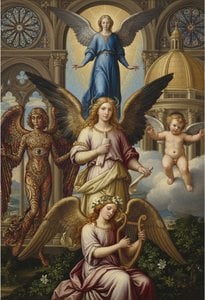
Explore the profound beauty of angelic figures in art history. From Renaissance masterpieces to celestial symbolism, our expert guide offers a sophisticated journey through the divine imagery of the Old Masters for discerning collectors and art enthusiasts.

Explore the profound beauty of mythological figures through the lens of art history. From Renaissance masterpieces to custom oil reproductions, discover how legendary tales of heroism and divinity are immortalized in fine art for discerning collectors.

 معاينة الحجم الحقيقي
 مشاركة
 مشاركة
 التفاصيل

 تحميل الملف
 قطع مشابهة
 الأشعة السينية
 عرض شرائح
 عرض المزيد







 خيار الزجاج متاح فقط للمقاسات التي تقل عن 110 سم


![Stanze Vaticane - The Liberation Of St Peter (detail) [01] — رافايلو, High Renaissance](/media/artworks/images-thumb/56/b1/56b164228e527303d62222f1b9e9aa13.jpg)


