معاينة الحجم الواقعي معاينة بالواقع المعزز التبديل إلى المطبوعات التحويل إلى الصورة الرقمية إرسال
عرض التفاصيل دليل الأعمال الفنية للطلاب أضف إلى المفضلة تحميل قطع مشابهة الأشعة السينية عرض شرائح متتابع الإحصائيات

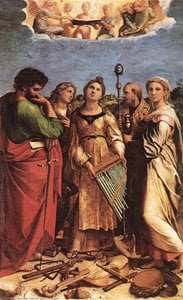
St Cecilia

Explore Raphael's 'St Cecilia,' a High Renaissance masterpiece depicting Saint Cecilia surrounded by angels and musical instruments—a testament to faith and artistic brilliance.

رافائيل (1483-1520): فنان عصر النهضة العليا الشهير بلوحاته العذراء الهادئة، وإتقانه للعمارة، وأعماله الأيقونية مثل "مدرسة أثينا". استكشف بداياته في أوربينو وتراثه الفني.

نسخة زيتية مصنوعة يدوياً

لوحة زيتية مرسومة يدوياً على الكانفاس بالمقاس والإطار الذي تفضله، تُنفذ حسب الطلب على أيدي فنانينا. ( التبديل إلى المطبوعات التحويل إلى الصورة الرقمية)

Corner sample of the P118B picture frame: moulded polystyrene, 5 cm wide and 3 cm thick
P118B 10
Corner sample of the P118H picture frame: moulded polystyrene, 5 cm wide and 3 cm thick
P118H 10
Corner sample of the P118W picture frame: moulded polystyrene, 5 cm wide and 3 cm thick
P118W 10
Corner sample of the P438Z picture frame: moulded polystyrene, 5.5 cm wide and 3.5 cm thick
P438Z 10
Corner sample of the P508JH picture frame: moulded polystyrene, 7 cm wide and 3.5 cm thick
P508JH 12
Corner sample of the P508YH picture frame: moulded polystyrene, 7 cm wide and 3.5 cm thick
P508YH 12
Corner sample of the P805H picture frame: moulded polystyrene, 5 cm wide and 3.5 cm thick
P805H 10
Corner sample of the P805Z picture frame: moulded polystyrene, 5 cm wide and 3.5 cm thick
P805Z 10
Corner sample of the P919BZ picture frame: moulded polystyrene, 7 cm wide and 3.5 cm thick
P919BZ 10
Corner sample of the P919G picture frame: moulded polystyrene, 7 cm wide and 3.5 cm thick
P919G 10
Corner sample of the P919XJ picture frame: moulded polystyrene, 7 cm wide and 3.5 cm thick
P919XJ 10
Corner sample of the P959ZH picture frame: moulded polystyrene, 5 cm wide and 3 cm thick
P959ZH 10
Corner sample of the P968JZ picture frame: moulded polystyrene, 6 cm wide and 4 cm thick
P968JZ 12
Corner sample of the W106C picture frame: solid wood, 5 cm wide and 3 cm thick
W106C 8
Corner sample of the W218G picture frame: solid wood, 5 cm wide and 3 cm thick
W218G 10
Corner sample of the W218JH picture frame: solid wood, 5 cm wide and 3 cm thick
W218JH 8
Corner sample of the W218Y picture frame: solid wood, 5 cm wide and 3 cm thick
W218Y 10
Corner sample of the W307PJ picture frame: solid wood, 6 cm wide and 3 cm thick
W307PJ 10
Corner sample of the W316G picture frame: solid wood, 6 cm wide and 3 cm thick
W316G 10
Corner sample of the W316PJ picture frame: solid wood, 6 cm wide and 3 cm thick
W316PJ 8
Corner sample of the W316Y picture frame: solid wood, 6 cm wide and 3 cm thick
W316Y 10
Corner sample of the W398PJ picture frame: solid wood, 5 cm wide and 3 cm thick
W398PJ 8
Corner sample of the W4111J picture frame: solid wood, 6.5 cm wide and 3.5 cm thick
W4111J 10
Corner sample of the W500HY picture frame: solid wood, 7 cm wide and 5 cm thick
W500HY 15
Corner sample of the W500JH picture frame: solid wood, 7 cm wide and 5 cm thick
W500JH 15
Corner sample of the W692G picture frame: solid wood, 8 cm wide and 4 cm thick
W692G 12
Corner sample of the W849H picture frame: solid wood, 5 cm wide and 3 cm thick
W849H 8
Corner sample of the W940BG picture frame: solid wood, 7.5 cm wide and 4.5 cm thick
W940BG 15
Corner sample of the W953PJ picture frame: solid wood, 6 cm wide and 3.5 cm thick
W953PJ 8

مقاس قياسي
مخصص
CM
INCH

اختر من بين أحجامنا المُعدّة مسبقاً والتي تتوافق مع النسب الأصلية للعمل الفني.

العرض
الارتفاع

يمكنك إدخال أبعاد خاصة لتناسب إطاراً أو مساحة معينة. وفي حال عدم تطابق الحجم المختار مع نسب الصورة الأصلية، سنقوم إما بقص العمل الفني أو توسيع اللوحة عبر إضافة عناصر مرسومة يدوياً. وسيتم إرسال نموذج رقمي إليك للموافقة عليه قبل بدء عملية الإنتاج.
يرجى ملاحظة أن المعاينة على الشاشة لا تعكس عملية القص أو التوسيع الفعلية؛ إذ إن النموذج الرقمي هو الوحيد الذي يوضح التكوين النهائي بدقة.
وعلى الرغم من توفر أحجام مخصصة، إلا أننا نوصي باختيار أبعاد من القائمة المحددة مسبقاً للحفاظ على النسب الأصلية للعمل الفني.

أمثلة على التعديلات الممكنة: استبدال الوجه بصورة العميل؛ إضافة حيوان أليف (مثل استبدال قطة بكلب)؛ تضمين رسالة مخفية في الخلفية؛ تغيير المناظر الطبيعية أو العناصر في الخلفية.
بعد إتمام الطلب، سيرسل فريق WahooArt.com بريداً إلكترونياً للعميل لطلب التعليمات وتزويده بمعاينة تجريبية (mockup).

توصيل عالمي إلى خلال 3 إلى 4 أسابيع بدلاً من المدة المعتادة البالغة 5 أسابيع. (11 أكتوبر). جودة لا تهاون فيها.

شحن سريع ومجاني لجميع أنحاء العالم
قماش كتان فاخر
تأمين شامل على الشحن
ضمان استرداد الرسوم الجمركية
ضمان دقة مطابقة الألوان
سياسة الإرجاع خلال 100 يوم (في حالات العيوب فقط)
ضمان استرداد نقدي بنسبة 100%
عرض خصم الكميات

إجمالي السعر

E£ 13967

St Cecilia

وسيط إعادة الإنتاج

مقاس النسخة المطبوعة

-

إجمالي السعر

E£ 13967

حقائق سريعة

  • Notable elements or techniques: Harmonic composition; Musical instruments
  • Medium: Oil on Canvas
  • Title: St Cecilia
  • Location: Private Collection
  • Movement: High Renaissance
  • Subject or theme: Religious devotion; Patron saint of music
  • Artistic style: Idealized realism

A Celestial Symphony in Color

In the quiet, hallowed halls of the High Renaissance, few works capture the intersection of divine grace and earthly melody as profoundly as Raphael’s St Cecilia. This masterpiece is not merely a painting; it is a window into a celestial realm where music serves as the bridge between the human soul and the heavens. As one gazes upon the canvas, the viewer is immediately enveloped by a sense of profound serenity, drawn into a sacred moment where time seems to suspend itself. The central figure of Saint Cecilia, the patron saint of musicians, sits at the heart of this spiritual arrangement, her presence radiating a calm, luminous authority that anchors the entire composition.

The scene is a breathtaking sacra conversazione, a holy conversation where the boundaries between the saints and the angelic host blur into a single, harmonious existence. Surrounded by a choir of angels, Cecilia holds her harp with a gentle reverence, her eyes reflecting a state of spiritual ecstasy. Flanking her are figures that add both depth and theological weight to the tableau—saints who represent the pillars of faith, their gazes directed toward the divine light. The presence of various musical instruments, from the delicate lute to the resonant harp, scattered near the feet of the saints, suggests that every note played in devotion is an echo of a heavenly hymn.

Mastery of Light and Renaissance Idealism

Raphael’s technical execution in this work represents the pinnacle of High Renaissance achievement. Utilizing oil on wood panel, the artist achieved a level of tonal subtlety and luminosity that remains breathtaking centuries later. Through the masterful application of sfumato—the delicate blurring of edges and transitions—Raphael softens the contours of the figures, allowing them to emerge from the shadows with an ethereal, dreamlike quality. This technique creates an atmosphere where light does not simply strike objects but seems to emanate from within them, imbuing the skin of the saints with a pearlescent glow and giving the fabric of their garments a tangible, flowing weight.

The composition is a triumph of balance and geometric harmony. Every element, from the placement of the male figures on the periphery to the arrangement of the musical instruments at the base, is meticulously calculated to guide the eye toward the central spiritual truth. This sense of equilibrium mirrors the Neoplatonic ideals of the era, where beauty was seen as a direct reflection of divine perfection. For the discerning collector or interior designer, this painting offers more than just visual splendor; it provides a structural elegance that can anchor a room with its sophisticated use of proportion and classical grace.

An Eternal Legacy for the Modern Collector

Beyond its historical significance, St Cecilia possesses an emotional resonance that transcends the era of its creation. It speaks to the universal human desire for peace, transcendence, and the beauty found in harmony. The painting’s ability to evoke a sense of quiet contemplation makes it an extraordinary choice for spaces dedicated to reflection, such as libraries, study halls, or grand living areas where art is intended to inspire thought and tranquility.

Owning a high-quality reproduction of this Raphael masterpiece allows one to bring a piece of the Italian Renaissance into a contemporary setting. It serves as a sophisticated focal point that invites conversation and provides a sense of historical continuity. Whether placed in a sunlit gallery or a moody, classically styled salon, the painting’s rich textures and profound subject matter continue to captivate the imagination, offering an enduring connection to the sublime beauty of the masters.

الأسئلة والأجوبة

إلى أي فنان يُنسب العمل "St Cecilia"؟

الفنان الذي أبدع عمل "St Cecilia" هو رافايلو. العمل مُدرج تحت اسم رافايلو.

ما مدى حدة الألوان في "St Cecilia" للفنان رافايلو؟

تتميز شدة ألوان "St Cecilia" بأنها Vivid. وتصف الشدة مدى قوة ووضوح الألوان.

ما هي التقنية المستخدمة في "St Cecilia" للفنان رافايلو؟

استخدم رافايلو تقنية Oil On Panel في عمل "St Cecilia"، وتحدد هذه التقنية الطبيعة المادية للعمل الأصلي.

كيف يتناسب عمل "St Cecilia" مع موضوعات رافايلو وأسلوبه الفني؟

ضمن نتاج رافايلو الفني، تندرج لوحة "St Cecilia" ضمن أسلوب High Renaissance، إلى جانب موضوعات classical ideals, divine grace, musical devotion, renaissance splendor, raphael’s legacy.

كم كان عمر رافايلو عندما أُبدع العمل "St Cecilia"؟

عندما أُبدع العمل "St Cecilia" في عام 1514، كان عمر الفنان رافايلو - المولود في 1483 - هو 31 عاماً.

متى تم إنجاز "St Cecilia"؟

يعود تاريخ "St Cecilia" إلى عام 1514، وهو تاريخ يضع العمل ضمن المسيرة المهنية لـ رافايلو وفي سياق حقبته الزمنية.

ما هو الموضوع والأجواء التي يجمع بينها "St Cecilia" للفنان رافايلو؟

تُظهر لوحة "St Cecilia" موضوعات saint cecilia, music, harp, angels, renaissance art, patron saint, harmony, instrument، وتتجلى فيها حالة من Ethereal.


نبذة عن الفنان

رافائيل: فنان عصر النهضة الإيطالية، بين الرقة والانسجام

في قلب مدينة أوربينو النابضة بالحياة الفكرية والفنية، وُلد رافاييل سانزيو، أو كما عُرف بالعالم "رافائيل"، عام 1483. لم يكن مجرد فنان، بل نتاج بيئة ثقافية غنية، حيث كان والده جيوفاني سانتّي ليس فقط رسامًا في بلاط الدوق فريدريكو دا مونتيفيلترو، بل أيضًا شاعرًا ومثقفًا متعمقًا في تيارات عصر النهضة. هذا الانغماس في بيئة تقدر الرقي الفكري والنقاشات الأدبية شكل بعمق حساسيته الفنية منذ صغره. بعد وفاة والده المبكرة، تحمل رافائيل مسؤولية ورشة العائلة، مما سمح له بصقل مهاراته تحت إشراف فنانين محليين، حيث بدأت تظهر علامات أسلوبه المميز: رقة فائقة واهتمام دقيق بالتفاصيل.

من أمبريا إلى فلورنسا: رحلة استيعاب التأثيرات

كانت رحلة رافائيل الفنية سلسلة من التطور المستمر، حيث تميزت بفترات مكثفة من الدراسة والاستيعاب. التدريب الأولي تحت إشراف بييترو بيروجينو في بيروجيا وضع أساسًا متينًا في الأسلوب الأمبرياني – الذي يتميز بنمذجة ناعمة وتكوينات متناغمة ومشاهد دينية هادئة. لكن فضوله الذي لا يشبع دفعه إلى البحث عن تحديات جديدة وتوسيع آفاقه الفنية. في عام 1504، سافر إلى فلورنسا، المدينة التي كانت تنبض بطاقة الابتكار الفني. هنا، واجه أعمال ليوناردو دا فينشي وميكيلانجيلو، الفنانين الذين دفعوا حدود الرسم إلى مستويات غير مسبوقة. درس بدقة تقنياتهما – "سفوماتو" ليوناردو، تلك التدرجات الدقيقة للضوء والظل، والدقة التشريحية الدرامية والتكوينات القوية لميكيلانجيلو. كانت هذه الفترة في فلورنسا بمثابة بوتقة انصهار، أجبرته على مواجهة إمكانيات فنية جديدة ودمجها في رؤيته الفريدة.

الانتصار الروماني: المفوضيات والإبداعات الخالدة

في عام 1508، تلقى رافائيل دعوة غيرت مسار حياته المهنية – دعوة من البابا يوليوس الثاني للانتقال إلى روما. شكل هذا بداية الفترة الأكثر إنتاجية وازدهارًا في حياته. قدمت له المدينة الأبدية فرصة لا مثيل لها لعرض مواهبه على نطاق واسع، وتزيين شقق البابا في الفاتيكان بلوحات جدارية مذهلة. "أكاديمية أثينا"، ربما عمله الأكثر شهرة، هي شهادة على إتقانه للتكوين والمنظور والرمزية الفلسفية. داخل هذا الفضاء المهيب، جمع رافائيل شخصيات من العصور القديمة الكلاسيكية – أفلاطون وأرسطو وفيثاغورس وإقليدس – لإنشاء مشهد حي يحيي العقل البشري والسعي وراء المعرفة. استمر في العمل للبابوات اللاحقين، بما في ذلك ليون العاشر، وتولى مشاريع ضخمة مثل تزيين "ستانزا ديلا سيجناتورا" و"ستانزا د'إيليودورو". لوحاته الجدارية في هذه الغرف ليست مجرد زخرفة؛ إنها بيانات قوية حول قوة البابا والإيمان الديني ومثل عصر النهضة.

توازن بين الرقة والوقار: أسلوب رافائيل الفني

غالبًا ما يوصف الأسلوب الفني لرافائيل بأنه مزيج متناغم من الرقة والوضوح والجمال المثالي. كان يتمتع بقدرة استثنائية على دمج التأثيرات المتنوعة – التقاليد الأمبرية، والابتكارات الفلورنسية، والعصور القديمة الكلاسيكية – في جمالية فريدة ومتوازنة. تكوينات أعماله مخططة بدقة، وتعرض إحساسًا بالنظام والتناسب يعكس فهمه العميق لمبادئ عصر النهضة. تنبض شخصياته بهدوء ووقار وتعبير عاطفي، مما يجسد المثال الإنساني للكمال البشري. كان أيضًا أستاذ في الألوان، مستخدمًا ألوانًا غنية ومشرقة لإنشاء أعمال جذابة بصريًا ومحفزة فكريًا على حد سواء. على عكس الأسلوب الدرامي المضطرب غالبًا لميكيلانجيلو، تشع أعمال رافائيل بإحساس بالهدوء والانسجام – وهي صفة أسرقت قلوب الجماهير لعدة قرون.

إرث وتأثير دائم

لقد قصرت وفاة رافائيل المبكرة في عام 1520 عن عمر يناهز الثالثة والثلاثين، حياة مليئة بالإمكانات. ومع ذلك، فإن إرثه باقٍ كواحد من أهم الشخصيات في تاريخ الفن الغربي. أصبحت أعماله حجر الزاوية في الجمالية العالية لعصر النهضة، وخدمت كنموذج للأجيال القادمة من الفنانين. بينما سيطغى تأثير ميكيلانجيلو لاحقًا على الخطاب الفني، شهد التأكيد على الوضوح والانسجام والجمال المثالي لرافائيل انتعاشًا خلال الفترة الكلاسيكية الجديدة، حيث دافع عنه النقاد مثل يوهان جوتهارد فينكلمان. اليوم، تظل لوحاته تلهم الرهبة والإعجاب، وتأسر المشاهدين ببراعتها التقنية وعمقها العاطفي وجاذبيتها الدائمة. لقد رسخ مكانته كفنان حقيقي من عصر النهضة – فنان التقط ليس فقط الشبه الجسدي لموضوعاته، بل أيضًا جوهر الرشاقة الإنسانية والكرامة.

رافايلو

رافايلو

1483 - 1520 , إيطاليا

لمحة سريعة

  • Artistic Movement Or Style: الريناسانس العظيم
  • Artists Who Influenced This Artist: ['ليوناردو دا فينشي"، "ميكاييل أنجيلو']
  • Date Of Birth: 1483
  • Date Of Death: 1520
  • Full Name: رافائيل سانزيو د أوربينا
  • Nationality: إيطالي
  • Notable Artworks: ['المدرسة اليونانية"، "السيسينا ماдона"، "تحويل القديس يوحنا المعلم']
  • Place Of Birth: أوربينا، إيطاليا
استكشف الأعمال الفنية المصنفة حسب الموضوعات والأنماط والخصائص.