التبديل إلى المطبوعات التحويل إلى الصورة الرقمية إرسال
عرض التفاصيل دليل الأعمال الفنية للطلاب أضف إلى المفضلة تحميل قطع مشابهة عرض شرائح متتابع الإحصائيات

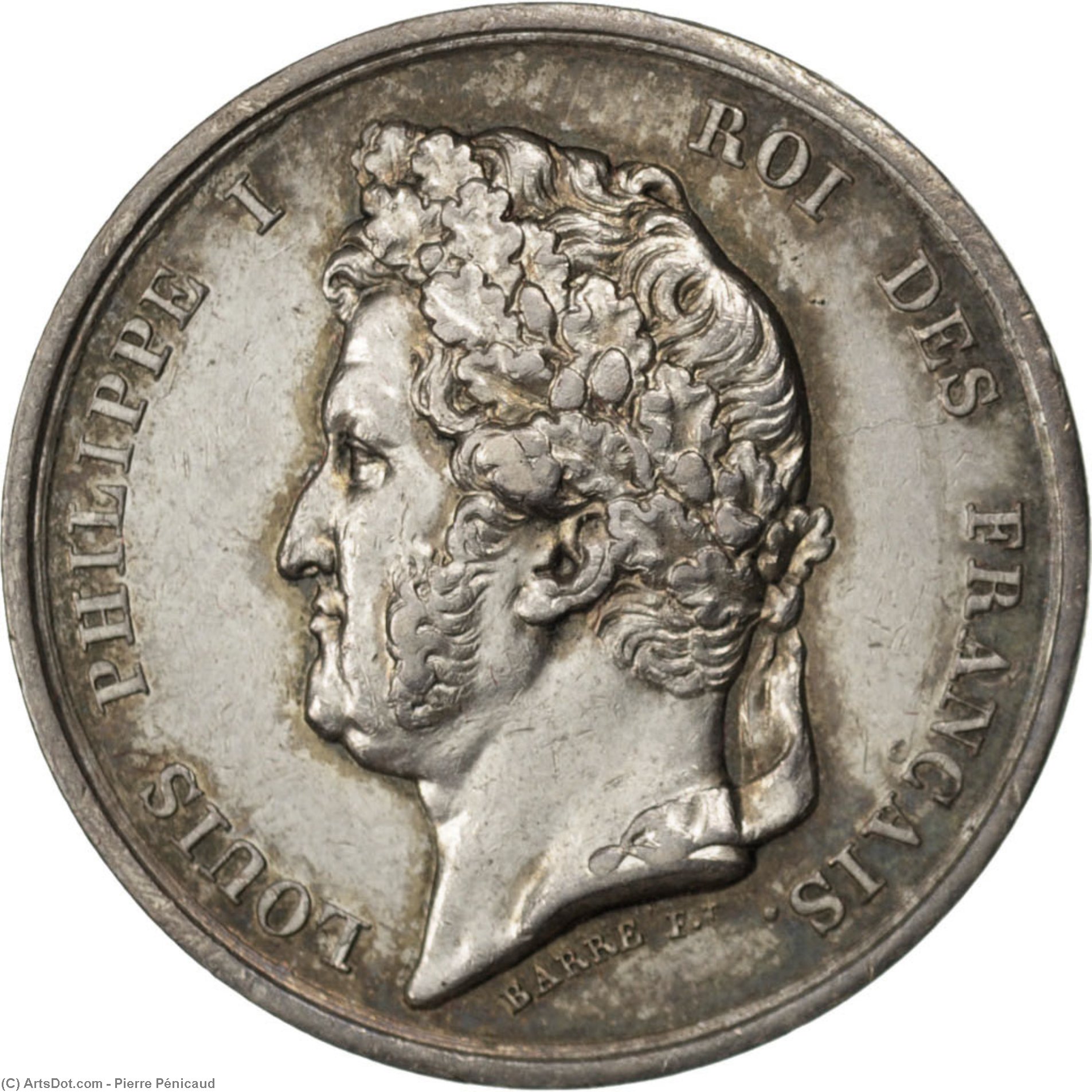
Round Medallion Featuring Combats

Intense 16th-century battle scene medallion by Pierre Penicaud; explore the drama of this masterful Limoges enamel art.

Discover Pierre Penicaud (1515-1590), a master of French Mannerist engravings! Explore his iconic medallions & battle scenes, showcasing intricate detail & historical themes.

نسخة زيتية مصنوعة يدوياً

لوحة زيتية مرسومة يدوياً على الكانفاس بالمقاس والإطار الذي تفضله، تُنفذ حسب الطلب على أيدي فنانينا. ( التبديل إلى المطبوعات التحويل إلى الصورة الرقمية)

مقاس قياسي
مخصص
CM
INCH

اختر من بين أحجامنا المُعدّة مسبقاً والتي تتوافق مع النسب الأصلية للعمل الفني.

العرض
الارتفاع

يمكنك إدخال أبعاد خاصة لتناسب إطاراً أو مساحة معينة. وفي حال عدم تطابق الحجم المختار مع نسب الصورة الأصلية، سنقوم إما بقص العمل الفني أو توسيع اللوحة عبر إضافة عناصر مرسومة يدوياً. وسيتم إرسال نموذج رقمي إليك للموافقة عليه قبل بدء عملية الإنتاج.
يرجى ملاحظة أن المعاينة على الشاشة لا تعكس عملية القص أو التوسيع الفعلية؛ إذ إن النموذج الرقمي هو الوحيد الذي يوضح التكوين النهائي بدقة.
وعلى الرغم من توفر أحجام مخصصة، إلا أننا نوصي باختيار أبعاد من القائمة المحددة مسبقاً للحفاظ على النسب الأصلية للعمل الفني.

أمثلة على التعديلات الممكنة: استبدال الوجه بصورة العميل؛ إضافة حيوان أليف (مثل استبدال قطة بكلب)؛ تضمين رسالة مخفية في الخلفية؛ تغيير المناظر الطبيعية أو العناصر في الخلفية.
بعد إتمام الطلب، سيرسل فريق WahooArt.com بريداً إلكترونياً للعميل لطلب التعليمات وتزويده بمعاينة تجريبية (mockup).

توصيل عالمي إلى خلال 3 إلى 4 أسابيع بدلاً من المدة المعتادة البالغة 5 أسابيع. (25 سبتمبر). جودة لا تهاون فيها.

why_choose_icon
شحن سريع ومجاني لجميع أنحاء العالم
why_choose_icon
قماش كتان فاخر
why_choose_icon
تأمين شامل على الشحن
why_choose_icon
ضمان استرداد الرسوم الجمركية
why_choose_icon
ضمان دقة مطابقة الألوان
why_choose_icon
سياسة الإرجاع خلال 100 يوم (في حالات العيوب فقط)
why_choose_icon
ضمان استرداد نقدي بنسبة 100%
why_choose_icon
عرض خصم الكميات

إجمالي السعر

$ 272

reproduction

Round Medallion Featuring Combats

وسيط إعادة الإنتاج

مقاس النسخة المطبوعة

-

إجمالي السعر

$ 272

حقائق سريعة

  • Artistic style: Gothic-inspired; Renaissance motifs
  • Dimensions: 40 x 40 cm
  • Year: 1550
  • Movement: Mannerism
  • Artist: Pierre Penicaud
  • Location: Musée du Louvre (Paris, France)
  • Influences: Marco Dente

اختبار المعلومات الفنية

لكل سؤال إجابة صحيحة واحدة فقط.

سؤال 1:
What artistic style is prominently featured in Pierre Penicaud’s ‘Round Medallion Featuring Combats’?
سؤال 2:
The medallion depicts a scene of what historical event?
سؤال 3:
What technique was employed by Penicaud to create the image?
سؤال 4:
Who inspired Penicaud's artistic vision for this piece?
سؤال 5:
The medallion’s composition utilizes a technique where the white enamel surface allows for detailed shading and volume rendering. What is this technique called?

A Frozen Moment of Conflict: The Drama of the Medallion

Behold this captivating round medallion, a miniature stage upon which history’s raw energy is captured. At first glance, one is struck by the sheer dynamism emanating from the metalwork. It is not merely a depiction of battle; it is an immersion into the very heart of human conflict—a swirling vortex of desperate action and martial fervor. The composition is densely populated, featuring at least thirteen distinct figures locked in visceral combat. Swords are drawn, bodies contort with effort, and every visible expression speaks volumes of adrenaline and survival. This piece transcends simple portraiture; it is a narrative frozen in time, allowing the viewer to feel the clang of steel and the desperate cries echoing across an unseen battlefield.

Mastery in Enamel: The Hand of Pierre Penicaud

The artistry behind this dramatic scene points directly to the unparalleled skill of Pierre Penicaud. Working around the year 1550, Penicaud was a master craftsman hailing from Limoges, a city whose very name became synonymous with exquisite enamel work. His technique, rooted in generations of family tradition, allowed him to achieve a level of detail and luminosity rarely matched. The medium itself—the enamel set into metal, likely gold or bronze—demands an almost alchemical touch. Penicaud’s ability to render such complex human interaction within the confines of a circular medallion speaks to both his technical prowess and his deep understanding of pictorial narrative.

Historical Echoes and Symbolic Weight

The period in which this piece was created, the mid-sixteenth century, was an era of profound upheaval across Europe. Such depictions of combat often served multiple purposes: they could commemorate military victories, serve as moral allegories for civic virtue, or simply reflect the pervasive cultural fascination with martial prowess. The symbolism here is rich; the clash of swords represents not just physical fighting, but perhaps the eternal struggle between order and chaos, civilization and savagery. To own such a piece is to possess a tangible link to the historical anxieties and grand narratives of Renaissance life.

Integrating Drama into Modern Spaces

For the discerning collector or designer, this medallion offers an unparalleled focal point. Its intense drama provides an immediate gravitational pull within any room. Imagine it mounted against a muted wall, allowing the vibrant enamel colors and the kinetic energy of the figures to take center stage. While its subject matter is violent, its execution—the meticulous craftsmanship and the historical weight imbued by Penicaud’s hand—lends it an air of sophisticated antiquity. It serves as a powerful conversation starter, inviting closer inspection and deeper contemplation of art history and human nature.


نبذة عن الفنان

The Last Flourish of a Limoges Dynasty

In the heart of sixteenth-century France, within the storied city of Limoges, a name emerged that would represent both the pinnacle and the twilight of a magnificent artistic lineage. Pierre Penicaud, born around 1515, was not merely an artist but a custodian of a precious family legacy. As a member of the illustrious Pénicaud dynasty, his life was inextricably linked to the exquisite craft of enamel production, a tradition that had been meticulously refined by his ancestors for generations. To understand Pierre is to understand the weight of history he carried upon his shoulders; he stood as the final prominent figure in a family tree that began with the foundational work of Nardon Pénicaud, who had once blended Gothic sensibilities with the burgeoning motifs of the Renaissance.

The air of Limoges during Penicaud’s era was thick with the scent of minerals and the heat of kilns, a period when the city became synonymous with unparalleled enamel mastery. While his predecessors, such as Jean I Penicaud, had introduced daring innovations like transparent colors on copper—drawing inspiration from the profound prints of Albrecht Dürer—Pierre focused his devotion on the more disciplined and monochromatic elegance of grisaille. His work was a testament to the endurance of technique, a bridge between the medieval traditions of his forebears and the sophisticated Mannerist aesthetics that were beginning to sweep across the European continent.

Mastery of Light and Shadow in Grisaille

The true soul of Pierre Penicaud’s artistry lies in his command over the grisaille technique. Unlike the vibrant, polychrome works of earlier generations, Pierre’s repertoire was defined by a deliberate restraint, often working exclusively within a palette of black or blue backgrounds to create striking, sculptural effects. This method required an almost alchemical precision; the artist had to manipulate layers of opaque white enamel to simulate depth, texture, and the play of light upon form. Through this monochromatic lens, he achieved a remarkable level of realism, capturing the subtle contours of the human figure with a clarity that felt both ancient and strikingly modern.

His compositions often transcended simple decoration, evolving into complex narratives that captured the tumultuous spirit of his age. One might gaze upon his round medallions and find oneself thrust into a swirling vortex of conflict. In these miniature stages, Penicaud rendered battle scenes with such visceral energy that the viewer can almost hear the clash of steel and feel the adrenaline of combat. These works were not merely depictions of violence but were deeply layered with symbolism, serving as moral allegories for civic virtue or commemorations of military triumph. Every contorted limb and drawn sword within his medallions speaks to a profound understanding of pictorial narrative, where the stillness of enamel meets the frantic motion of history.

A Legacy Etched in Enamel

Though some scholars suggest that Pierre may not have reached the same heights of fame as his more experimental predecessors, his historical significance remains undeniable. He was the guardian of a standard, ensuring that the technical brilliance of Limoges survived through a period of profound European upheaval. His ability to marry the meticulous detail of Mannerism—characterized by its stylized figures and dramatic compositions—with the rigorous demands of enamel painting allowed him to leave an indelible mark on the decorative arts of France.

The significance of his life's work can be summarized through several enduring contributions:

  • Preservation of Tradition: He maintained the integrity of the Pénicaud family’s grisaille techniques, ensuring the continuity of Limoges' reputation during a period of transition.
  • Mannerist Expression: His ability to translate the dramatic, often exaggerated aesthetics of the Mannerist style into the permanent, delicate medium of enamel.
  • Narrative Depth: The transformation of small-scale decorative objects, such as medallions, into profound vessels for historical and allegorical storytelling.

Ultimately, Pierre Penicaud remains a singular figure—a master craftsman whose hands worked in the service of both family honor and artistic evolution. His legacy is found not just in the surviving pieces of gold and bronze, but in the very breath of the Limoges tradition that he so faithfully upheld until the close of his life in 1590.

pierre pénicaud

pierre pénicaud

1515 - 1590 , France

لمحة سريعة

  • Artistic Movement Or Style: Mannerist engraving
  • Artists Or Movements Influenced By This Artist: ['Renaissance prints']
  • Artists Who Influenced This Artist:
    • Ravel
    • Fauré
  • Date Of Birth: ca. 1515
  • Date Of Death: ca. 1590
  • Full Name: Pierre Penicaud
  • Nationality: French
  • Notable Artworks: ['Round Medallion Featuring Combats']
  • Place Of Birth: Limoges, France