

طباعة جيكلي أو كانفاس بجودة المتاحف، مع سرعة في التنفيذ وخيارات متنوعة للتشطيب. ( شراء لوحة مرسومة يدويًا الانتقال إلى الصورة الرقمية)
اختر من بين أحجامنا المُعدّة مسبقاً والتي تتوافق مع النسب الأصلية للعمل الفني.

أدخل العرض والارتفاع المطلوبين ليتناسب المقاس مع إطارك أو جدارك. يرجى الملاحظة أن المطبوعة يمكن قصها فقط ولا يمكن تكبيرها لتتجاوز أبعاد الصورة الأصلية، لذا فإن اختيار مقاس بأبعاد مختلفة سيؤدي إلى فقدان جزء من الصورة. سنرسل لك نموذجاً رقمياً تجريبياً لاعتماده قبل البدء في عملية الطباعة. الصورة المعروضة في هذه الصفحة لا توضح شكل القص الفعلي — النموذج التجريبي فقط هو ما يظهر ذلك بدقة.
توصيل عالمي إلى خلال أسبوعين بدلاً من المدة القياسية البالغة 4/5 أسابيع. (8 نوفمبر)
Marie-Louise Pasteur
مقاس النسخة المطبوعة
أما بخصوص حقوق الطبع والنشر، فإن "Marie-Louise Pasteur" تندرج ضمن ملك عام - انتهت مدة حماية حقوق الطبع والنشر الخاصة به.
ينتمي العمل "Marie-Louise Pasteur" إلى الفترة Late Period من مسيرة Pierre Lanith Petit المهنية، مما يربط هذا العمل بمراحل تطور الفنان الفني.
تتميز لوحة "Marie-Louise Pasteur" للفنان Pierre Lanith Petit بدرجة تشبع تبلغ Muted وكثافة لونية تصل إلى Monochromatic.

Born in Aups, France, in 1832 (or possibly 1831), Pierre Petit emerged as a pivotal figure in the history of French photography during the mid-19th century. His career spanned several decades, marked by a dedication to documenting Parisian life and significant historical events, most notably the tumultuous Siege of Paris. Initially apprenticed to André-Adolphe-Eugène Disdéri, a master of the daguerreotype process, Petit quickly established himself as an independent studio owner, demonstrating both technical skill and a keen eye for composition. His journey reflects not only the evolution of photographic techniques but also the changing social landscape of 19th-century France.
Petit’s early life remains somewhat shrouded in detail, though his origins in Aups provide a grounding for understanding his artistic sensibilities. He began his photographic training in Paris under the tutelage of Disdéri, a name synonymous with innovation in portraiture during that era. This apprenticeship was crucial; Disdéri's studio was renowned for its meticulous approach and its pioneering use of techniques like the double exposure, which allowed for multiple subjects to be captured within a single frame – a technique Petit would later master. The influence of Disdéri’s studio extended beyond mere technical instruction; it instilled in Petit a commitment to precision, detail, and a sophisticated understanding of lighting and composition.
In 1858, alongside Antoine René Trinquart, Pierre Petit opened his own photographic studio in Paris. This marked the beginning of an independent career characterized by both commercial success and artistic ambition. The partnership proved remarkably fruitful, leading to ventures in Baden-Baden and Marseille, showcasing Petit’s ability to adapt to diverse markets while maintaining a high standard of quality. A particularly significant commission came in 1867 when he was appointed the official photographer for the International Exposition held that year in Paris. This role afforded him unparalleled access to document the event's grandeur and its impact on the city, resulting in a series of images that remain valuable historical records.
Perhaps Petit’s most enduring contribution to photographic history lies in his documentation of the Siege of Paris (1870–71). These stark, unflinching photographs offer a visceral glimpse into the realities of war – the destruction, the suffering, and the resilience of the Parisian populace. The images are not romanticized; they present a brutal and honest portrayal of a pivotal moment in French history. Beyond the Siege, Petit continued to document significant events throughout his career, including the construction of the Statue of Liberty in Paris between 1875 and 1886 – a project that demanded both technical skill and an understanding of monumental scale. His work during this period is particularly noteworthy for its meticulous detail and its ability to capture the sheer ambition of the undertaking.
Petit’s interests extended beyond traditional portraiture and historical documentation. In 1898, he experimented with underwater photography, a relatively nascent field at the time. While these early attempts were not entirely successful, they demonstrate his willingness to push the boundaries of photographic technology and explore new creative possibilities. He continued to exhibit his work at the Société française de photographie (SFP) throughout his career, solidifying his position as a respected figure within the French photographic community. Pierre Petit passed away in 1909, leaving behind a substantial body of work that continues to be studied and admired for its historical significance, technical skill, and artistic vision.
His photographs are now housed in museums across France and internationally, including the Musée Nicéphore-Niépce in Chalon-sur-Saône, the Musée d'Orsay in Paris, and the National Library of France. Pierre Petit’s legacy endures as a pioneer of French photography and a keen observer of his time.

1831 - 1909 , France

Journey through 19th century art with WahooArt! Explore 10 iconic paintings – from Monet & Renoir to Courbet – and discover the stories behind Romanticism, Realism & Impressionism. Find museum-quality reproductions for your home decor. Explore the full collection online!

اكتشف 25 تحفة فنية آسرة لجورج سورا، رائد النقطية والانطباعية الجديدة. استكشف قصص لوحاته الخالدة وألوانها المذهلة. احصل على إعادة إنتاج عالية الجودة لديكور منزلي فاخر على WahooArt.com
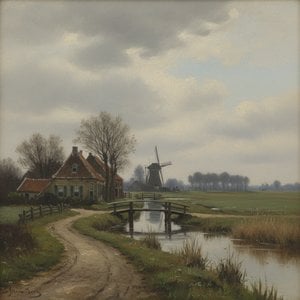
Explore the captivating world of Jacob Henricus Maris, a leading figure of the Dutch Hague School. Discover his atmospheric landscapes, signature brushstrokes & lasting influence on 19th-century art. Learn more at WahooArt.

اكتشف روعة أعمال رينوار! استكشف 25 لوحة انطباعية خالدة، ورحلة الفنان في عالم الضوء والجمال. طباعة فنية عالية الجودة لديكور منزلي فاخر على WahooArt.com.

Explore the captivating world of vintage art prints! Discover their history, collecting tips & enduring appeal. Expert insights on chromolithography and building a legacy collection with WahooArt.
 معاينة الحجم الواقعي
 مشاركة
 مشاركة
 التفاصيل
 دليل
دليل

 تحميل الملف
 قطع مشابهة
 الأشعة السينية
 عرض شرائح
 الأسئلة والأجوبة
 الإحصائيات


 عرض المزيد






































 خيار الزجاج متاح فقط للمقاسات التي تقل عن 110 سم


