


طباعة جيكلي أو كانفاس بجودة المتاحف، مع سرعة في التنفيذ وخيارات متنوعة للتشطيب. ( اشترِ لوحة مرسومة يدويًا اشترِ الصورة)





























اختر من بين أحجامنا المُعدّة مسبقًا والتي تتطابق مع النسب الأصلية للعمل الفني.

يمكنك إدخال أبعادك الخاصة لتناسب إطاراً أو مساحة معينة. وإذا لم يتطابق الحجم الذي اخترته مع نسب الصورة الأصلية، فسنقوم إما بقص العمل الفني أو تمديد الصورة باستخدام حافة معكوسة أو بلون مصمت. سيتم إرسال نموذج تجريبي رقمي لاعتمادك قبل بدء الإنتاج.
يرجى ملاحظة أن المعاينة على الشاشة لا تعكس عملية القص أو التمديد الفعلية؛ حيث سيوضح النموذج التجريبي فقط التكوين النهائي بدقة.
وعلى الرغم من توفر أحجام مخصصة، إلا أننا نوصي باختيار أبعاد من القائمة المحددة مسبقاً للحفاظ على النسب الأصلية.
توصيل عالمي إلى خلال أسبوعين بدلاً من المدة القياسية البالغة 4/5 أسابيع. 6 سبتمبر


On the Path
مقاس النسخة المطبوعة
Pierre-Auguste Renoir, a luminary of the Impressionist movement, stands as an enduring symbol of capturing fleeting moments of beauty and emotion. His painting, ‘On The Path,’ isn’t merely a depiction of a stroll through woodland; it’s a distillation of Impressionism's core principles—a celebration of light, color, and atmosphere that continues to resonate with audiences today.
Composition and Technique Renoir meticulously crafted this scene, prioritizing balance and depth. The central figure – a man traversing a dirt road – anchors the composition, while surrounding trees and bushes subtly guide the viewer’s gaze outwards, fostering a sense of tranquility and immersion. Renoir's masterful use of oil on canvas allowed him to achieve remarkable textural richness and vibrancy, layering pigments to create an illusion of luminescence that surpasses mere representation.
Impressionist Influence Renoir’s artistic vision was undeniably shaped by his contemporaries, notably Claude Monet, who similarly pursued the Impressionist aesthetic. Consider Monet's ‘Pleasure Boats, Argenteuil,’ showcased on /art/list/?Filter=8XXRCU-Claude-Monet-Pleasure-Boats-Argenteuil-c-1872-3-(oil-on-canvas)—a piece that mirrors Renoir’s dedication to capturing the ephemeral qualities of light and color. This shared pursuit exemplifies the spirit of artistic experimentation prevalent during the era.
The late 19th century witnessed a seismic shift in artistic sensibilities, as Impressionism bravely confronted the conventions of academic painting. Artists like Renoir and Monet rejected idealized forms and meticulous detail, opting instead to portray life as it unfolded—often capturing transient effects of weather or time. The Musée Des Beaux-Arts Tourcoing in France, housing an impressive collection from this period – accessible on /art/list/?Filter=A@D3CEAD-Discover-the-Musee-Des-Beaux-Arts-Tourcoing-France – serves as a tangible reminder of the artistic fervor that defined the era.
At the heart of ‘On The Path’ lies Renoir's masterful manipulation of light and shadow—a technique central to Impressionist painting. He skillfully employs chiaroscuro, subtly modulating tonal values to sculpt form and create a palpable sense of depth. As documented on https://en.wikipedia.org/wiki/Light_in_painting, chiaroscuro has been a cornerstone of artistic expression throughout history, informing painters from Rembrandt to Caravaggio.
Beyond its technical brilliance, ‘On The Path’ carries profound symbolic weight. The solitary figure traversing the road represents contemplation and introspection amidst the grandeur of nature—a motif frequently explored by Impressionists seeking to convey feelings of serenity and wonder. Renoir's deliberate brushstrokes contribute to an emotional resonance that transcends mere visual observation, inviting viewers to contemplate themes of solitude, beauty, and connection with the natural world.
'On The Path’ by Pierre-Auguste Renoir stands as a testament to Impressionism's enduring legacy—a captivating portrayal of light, color, and atmosphere that continues to inspire artists and collectors alike. Its tranquil composition and masterful execution solidify its place as an unforgettable emblem of artistic achievement.


1841 - 1919 , فرنسا
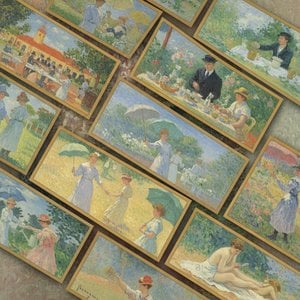
اكتشف روعة أعمال رينوار! استكشف 25 لوحة انطباعية خالدة، ورحلة الفنان في عالم الضوء والجمال. طباعة فنية عالية الجودة لديكور منزلي فاخر على WahooArt.com.

Journey into the heart of Impressionism! Explore 10 masterpieces by Monet, Renoir & Degas that revolutionized landscape art. Discover their stories, techniques & find museum-quality reproductions to elevate your home decor on WahooArt.com.

Explore the rich history of landscape art with WahooArt. Discover renowned artists, movements like Impressionism & Romanticism, and expert guidance for collecting timeless pieces. Find your perfect serene escape today!
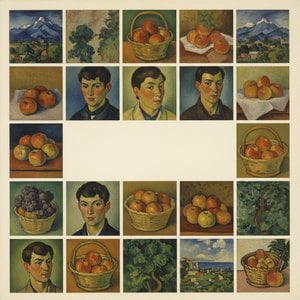
اكتشف 25 تحفة فنية لبول سيزان، رائد الانطباعية وما بعد الانطباعية. استكشف قصص لوحاته الزيتية الشهيرة وألوانه الجريئة وتقنياته الفريدة. احصل على إلهام لديكور منزلك الفاخر مع WahooArt.com.

Explore the history of serene landscapes in art! Discover renowned artists like Monet & Munch, movements from Impressionism to Tonalism, and find the perfect piece to bring tranquility to your home. Expert insights at WahooArt.

 معاينة الحجم الحقيقي
 مشاركة
 مشاركة
 التفاصيل

 تحميل الملف
 قطع مشابهة
 الأشعة السينية
 عرض شرائح

 عرض المزيد







 خيار الزجاج متاح فقط للمقاسات التي تقل عن 110 سم


