A Symphony of Stillness: Renoir’s Impressionist Vision
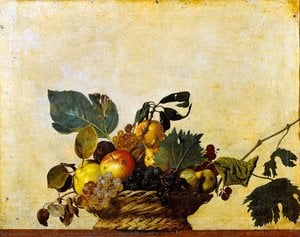
In the quiet corners of the late 19th century, amidst the burgeoning energy of Paris, Pierre-Auguste Renoir captured a moment of profound simplicity that continues to resonate with the modern soul. Apples on a Plate is not merely a depiction of fruit; it is an invitation into a sun-drenched, intimate domesticity. The painting presents a masterful arrangement where three vibrant apples and a scattering of bright oranges rest upon a pristine white tablecloth. There is a rhythmic grace to the composition, as the organic placement of the fruit avoids rigid formality, instead suggesting a scene captured in a fleeting, spontaneous second of repose. For the discerning collector or interior designer, this piece offers a sense of tranquility and timelessness, acting as a focal point that breathes life and warmth into any curated space.
The technique employed by Renoir serves to elevate the mundane into the magnificent. As a pioneer of the Impressionist movement, Renoir eschewed the harsh, clinical lines of academic realism in favor of short, broken brushstrokes that dance across the canvas. This method allows light to play upon the skins of the apples and oranges, creating a shimmering effect that mimics the actual behavior of natural illumination. The background, softly blurred and ethereal, ensures that the viewer’s gaze remains anchored to the central subject, while the interplay of vivid colors—the deep reds, bright yellows, and crisp whites—creates a sensory experience that feels both tactile and luminous. To possess a high-quality reproduction of this work is to bring the very essence of light and texture into one's home.
The Emotional Resonance of Everyday Beauty
Beyond its technical brilliance, Apples on a Plate carries a deep emotional weight rooted in Renoir’s philosophy of life. Throughout his career, Renoir sought to celebrate the beauty of the everyday, finding divinity in the simple pleasures of existence. There is an inherent optimism in this work; the freshness of the fruit symbolizes vitality and the bountifulness of nature. The warmth of the color palette evokes a feeling of comfort and nostalgia, reminiscent of a quiet afternoon in a peaceful household. It is this ability to evoke nostalgia and joy that makes Renost's still lifes so sought after by those looking to create an atmosphere of elegance and emotional depth within their interiors.
For those seeking to adorn a gallery wall or a sophisticated study, this painting serves as a bridge between historical mastery and contemporary aesthetic. It does not demand attention through grandiosity or complex narratives; rather, it earns its place through a subtle, persistent charm. Whether viewed as a study in color theory or as an emblem of Impressionist history, the piece remains a testament to Renoir's enduring legacy—a legacy that promises to transform any room into a sanctuary of light and beauty.



 معاينة الحجم الحقيقي
 اشترِ لوحة مرسومة يدويًا
 مشاركة
 مشاركة
 التفاصيل

 تحميل الملف
 قطع مشابهة
 الأشعة السينية
 عرض شرائح

 عرض المزيد






































 خيار الزجاج متاح فقط للمقاسات التي تقل عن 110 سم