معاينة الحجم الواقعي معاينة بالواقع المعزز شراء لوحة مرسومة يدويًا الانتقال إلى الصورة الرقمية مشاركة
التفاصيل دليل أضف إلى المفضلة تحميل الملف قطع مشابهة الأشعة السينية عرض شرائح الأسئلة والأجوبة عرض تقديمي الإحصائيات

Untitled (D2X65E)

الأبعاد
79.0 x 66.0 cm

Authentic Petrus Christus painting reproduction – ‘The Lamentation’ (c. 1450). Northern Renaissance masterpiece. Hand-painted replicas available in various sizes. Invest in art history.

اكتشف بيتروس كريستوس، الرسام الفلمنكي الرائد المعروف بالمنظور الخطي وتقنية الزيت الدقيقة. استكشف أعماله المؤثرة وإرثه الفني في بروج.

طباعة جيلي / مطبوعات فنية

طباعة جيكلي أو كانفاس بجودة المتاحف، مع سرعة في التنفيذ وخيارات متنوعة للتشطيب. ( شراء لوحة مرسومة يدويًا الانتقال إلى الصورة الرقمية)

Corner sample of the P118B picture frame: بوليسترين مُشكّل, 5 cm wide and 3 cm thick
P118B E£10
Corner sample of the P118H picture frame: بوليسترين مُشكّل, 5 cm wide and 3 cm thick
P118H E£10
Corner sample of the P118W picture frame: بوليسترين مُشكّل, 5 cm wide and 3 cm thick
P118W E£10
Corner sample of the P438Z picture frame: بوليسترين مُشكّل, 5.5 cm wide and 3.5 cm thick
P438Z E£10
Corner sample of the P508JH picture frame: بوليسترين مُشكّل, 7 cm wide and 3.5 cm thick
P508JH E£12
Corner sample of the P508YH picture frame: بوليسترين مُشكّل, 7 cm wide and 3.5 cm thick
P508YH E£12
Corner sample of the P805H picture frame: بوليسترين مُشكّل, 5 cm wide and 3.5 cm thick
P805H E£10
Corner sample of the P805Z picture frame: بوليسترين مُشكّل, 5 cm wide and 3.5 cm thick
P805Z E£10
Corner sample of the P919BZ picture frame: بوليسترين مُشكّل, 7 cm wide and 3.5 cm thick
P919BZ E£10
Corner sample of the P919G picture frame: بوليسترين مُشكّل, 7 cm wide and 3.5 cm thick
P919G E£10
Corner sample of the P919XJ picture frame: بوليسترين مُشكّل, 7 cm wide and 3.5 cm thick
P919XJ E£10
Corner sample of the P959ZH picture frame: بوليسترين مُشكّل, 5 cm wide and 3 cm thick
P959ZH E£10
Corner sample of the P968JZ picture frame: بوليسترين مُشكّل, 6 cm wide and 4 cm thick
P968JZ E£12
Corner sample of the W106C picture frame: خشب طبيعي صلب, 5 cm wide and 3 cm thick
W106C E£8
Corner sample of the W218G picture frame: خشب طبيعي صلب, 5 cm wide and 3 cm thick
W218G E£10
Corner sample of the W218JH picture frame: خشب طبيعي صلب, 5 cm wide and 3 cm thick
W218JH E£8
Corner sample of the W218Y picture frame: خشب طبيعي صلب, 5 cm wide and 3 cm thick
W218Y E£10
Corner sample of the W307PJ picture frame: خشب طبيعي صلب, 6 cm wide and 3 cm thick
W307PJ E£10
Corner sample of the W316G picture frame: خشب طبيعي صلب, 6 cm wide and 3 cm thick
W316G E£10
Corner sample of the W316PJ picture frame: خشب طبيعي صلب, 6 cm wide and 3 cm thick
W316PJ E£8
Corner sample of the W316Y picture frame: خشب طبيعي صلب, 6 cm wide and 3 cm thick
W316Y E£10
Corner sample of the W398PJ picture frame: خشب طبيعي صلب, 5 cm wide and 3 cm thick
W398PJ E£8
Corner sample of the W4111J picture frame: خشب طبيعي صلب, 6.5 cm wide and 3.5 cm thick
W4111J E£10
Corner sample of the W500HY picture frame: خشب طبيعي صلب, 7 cm wide and 5 cm thick
W500HY E£15
Corner sample of the W500JH picture frame: خشب طبيعي صلب, 7 cm wide and 5 cm thick
W500JH E£15
Corner sample of the W692G picture frame: خشب طبيعي صلب, 8 cm wide and 4 cm thick
W692G E£12
Corner sample of the W849H picture frame: خشب طبيعي صلب, 5 cm wide and 3 cm thick
W849H E£8
Corner sample of the W940BG picture frame: خشب طبيعي صلب, 7.5 cm wide and 4.5 cm thick
W940BG E£15
Corner sample of the W953PJ picture frame: خشب طبيعي صلب, 6 cm wide and 3.5 cm thick
W953PJ E£8

قياسي
حسب الطلب
CM
INCH

اختر من بين أحجامنا المُعدّة مسبقاً والتي تتوافق مع النسب الأصلية للعمل الفني.

العرض
الارتفاع

أدخل العرض والارتفاع المطلوبين ليتناسب المقاس مع إطارك أو جدارك. يرجى الملاحظة أن المطبوعة يمكن قصها فقط ولا يمكن تكبيرها لتتجاوز أبعاد الصورة الأصلية، لذا فإن اختيار مقاس بأبعاد مختلفة سيؤدي إلى فقدان جزء من الصورة. سنرسل لك نموذجاً رقمياً تجريبياً لاعتماده قبل البدء في عملية الطباعة. الصورة المعروضة في هذه الصفحة لا توضح شكل القص الفعلي — النموذج التجريبي فقط هو ما يظهر ذلك بدقة.

توصيل عالمي إلى خلال أسبوعين بدلاً من المدة القياسية البالغة 4/5 أسابيع. (8 نوفمبر)

شحن سريع ومجاني لجميع أنحاء العالم
قماش كتان عالي الجودة
تأمين شامل على الشحن
ضمان استرداد الرسوم الجمركية
ضمان مطابقة الألوان الحقيقية
سياسة الإرجاع خلال 100 يوم (في حالات العيوب فقط)
ضمان استرداد نقدي بنسبة 100%
خصم عند طلب كميات

إجمالي السعر

E£ 3614

Untitled (D2X65E)

طباعة جيلي / مطبوعات فنية

مقاس النسخة المطبوعة

-

إجمالي السعر النهائي

E£ 3614

معلومات سريعة

  • Location: WahooArt.com
  • Influences:
    • Van Eyck
    • Rogier van der Weyden
  • Movement: Northern Renaissance
  • Year: 1445
  • Artistic style: Linear perspective, meticulous
  • Medium: Oil on panel

اختبار الفنون

لكل سؤال إجابة صحيحة واحدة فقط.

سؤال 1:
What is the primary subject depicted in Petrus Christus’s ‘Untitled (D2X65E)’?
سؤال 2:
The painting ‘Untitled (D2X65E)’ is considered an example of which artistic movement?
سؤال 3:
According to the provided text, what is a key innovation demonstrated in ‘Untitled (D2X65E)’?
سؤال 4:
What material is the painting ‘Untitled (D2X65E)’ executed on?
سؤال 5:
Petrus Christus was active in which city during a significant period of his career?

Petrus Christus’s “Head of Christ (Ecce Homo)” – A Window into Early Renaissance Devotion

The image before us—Petrus Christus’s “Head of Christ (Ecce Homo),” painted circa 1445—isn't merely a portrait; it’s a profound meditation on sacrifice, suffering, and the very essence of Christian faith. Often considered a precursor to the more fully realized depictions of Christ’s Passion that would emerge later in the Renaissance, this intimate panel offers a remarkably direct and emotionally resonant experience for the viewer. It’s a work born from a specific historical context—the burgeoning influence of oil painting in Bruges, a city rapidly becoming a center for artistic innovation—and imbued with a deeply personal devotional purpose.

The genesis of this piece is fascinating. Tradition holds that it was created as a copy of a lost “Holy Face” image by Jan van Eyck, the master who had tragically died just three years before Christus began his career. This foundational image—a depiction of Christ’s face after the crucifixion—was believed to possess miraculous powers and was frequently used in private prayer. Christus's version retains the core elements of this prototype: the stark realism of Christ’s features, the visible wounds inflicted during his ordeal, and the solemnity of his gaze. However, Christus subtly transforms the image, imbuing it with a palpable sense of anguish and vulnerability that transcends mere replication.

A Masterclass in Oil Technique and Linear Perspective

Christus’s skill as a painter is immediately apparent in the meticulous detail he applies to every aspect of the work. The oil paint, relatively new to Northern European art at this time, allows for an unprecedented level of luminosity and depth—a far cry from the tempera paints favored by earlier artists. Notice how the light catches on Christ’s brow, highlighting the lines etched by pain, and how the folds of his garment subtly suggest texture and volume. This isn't a flat, idealized representation; it’s a remarkably lifelike portrayal of human suffering.

Crucially, Christus employs a technique known as “linear perspective,” a revolutionary approach to depicting space that he likely learned from Italian artists who were increasingly influencing the Northern Renaissance. The framing device—a meticulously rendered architectural setting—creates an illusion of depth, drawing the viewer’s eye directly to Christ's face and intensifying the emotional impact of the image. This innovative use of perspective was groundbreaking for its time, demonstrating Christus’s forward-thinking approach to artistic representation.

Symbolism and Emotional Resonance

Beyond the technical mastery, “Head of Christ (Ecce Homo)” is rich in symbolic meaning. The crown of thorns, a potent symbol of suffering and sacrifice, dominates the composition, immediately conveying the gravity of Christ’s fate. The drops of blood streaming down his face are not merely depictions of physical wounds; they represent the shedding of his blood for humanity's sins—a central tenet of Christian theology. Christ’s furrowed brow and downward gaze communicate a profound sense of sorrow and resignation, inviting contemplation on themes of redemption and forgiveness.

The choice to depict only Christ’s head—a cropped portrait—further intensifies the emotional impact. It forces the viewer to confront the image directly, fostering a sense of intimacy and personal connection with the subject. This was likely intended for private devotion, a silent prayer offered in contemplation of Christ's sacrifice.

A Timeless Testament to Faith

“Head of Christ (Ecce Homo)” is more than just a beautiful painting; it’s a powerful testament to the enduring themes of faith, suffering, and redemption. Christus’s masterful technique, combined with his profound understanding of symbolism and emotional resonance, creates an image that continues to move viewers centuries after its creation. It stands as a pivotal work in the development of Northern Renaissance art—a window into the spiritual world of 15th-century Bruges and a timeless reminder of the sacrifice at the heart of Christian belief.

الأسئلة والأجوبة

ماذا يصور "Untitled (D2X65E)" للفنان بيتروس كريستوس؟

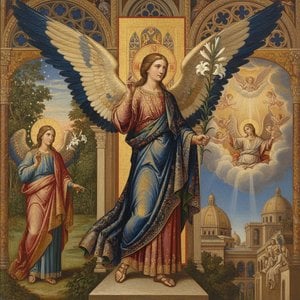
تُصور "Untitled (D2X65E)" للفنان بيتروس كريستوس: mary and angel gabriel, religious scene artwork, medieval european art, brick wall composition, devotional painting style, renaissance religious art, angel figure depiction.

كيف يمكنني مشاهدة "Untitled (D2X65E)" للفنان بيتروس كريستوس كعرض شرائح؟

يمكن عرض "Untitled (D2X65E)" للفنان بيتروس كريستوس كعرض شرائح في صفحة عرض شرائح الخاصة بالعمل الفني.

أين يمكنني العثور على إحصائيات حول "Untitled (D2X65E)" للفنان بيتروس كريستوس؟

تتوفر الإحصائيات الخاصة بـ "Untitled (D2X65E)" للفنان بيتروس كريستوس في صفحة إحصائيات الزيارات للعمل الفني، وهي تشمل: عدد الزيارات الشهرية للعمل، وزيارات أعمال الفنان، وتوزيع الزوار الأخيرين حسب الدولة واللغة.

السيرة الذاتية للفنان

سيد بروج: حياة وفن بيتروس كريستوس

ربما لا يتردد اسم بيتروس كريستوس في الأذهان بنفس السرعة التي يتردد بها أسماء معاصريه مثل يان فان إيك أو روجير فان دير فايدن، ومع ذلك، فإنه يحتل مكانة محورية في تطور الرسم في عصر النهضة الفلمنكي المبكر. ولد كريستوس حوالي عام 1465 في بارلي هيرتوغ، تلك الدوقية الصغيرة التي تقع على الحدود بين بلجيكا وهولندا، وبرز كأحد أبرلق الفنانين الذين عملوا في مدينة بروج خلال حقبة شهدت ابتكارات فنية غير مسبوقة. ورغم أن التفاصيل البيوغرافية عن حياته لا تزال شحيحة – وهو مصير مشترك للعديد من رسامي ذلك العصر – إلا أن أعماله الباقية تنطق ببراعة تقنية فائقة، وفضول فكري عميق، وفهم سحيق لكل من الرمزية الدينية والإمكانات المتنامية لطلاء الزيت. لم يكن مجرد تابع يسير على خطى فان إيك، بل كان مبتكراً دفع بمهارة وبشكل ملموس حدود الواقعية والمنظور، تاركاً بصمة لا تُمحى في المشهد الفني للقرن الخامس عشر.

البدايات المهنية والجذور الفنية

ظهر كريستوس لأول مرة في السجلات التاريخية عام 1444 كرسام بارع في بروج، مما يشير إلى أنه خضع لتدريب فني مكثف، وإن كانت هوية معلمه لا تزال مجهولة. لكن الواضح تماماً هو أنه استطاع سريعاً إثبات مكانته داخل المجتمع الفني المزدهر في المدينة. وعقب وفاة يان فان إيك في عام لسنة 1441، ملأ كريستوس ذلك الفراغ، ليصبح واحداً من أكثر الفنانين طلباً في بروج. وتظهر أعماله المبكرة وعياً حاداً بتقنيات فان إيك؛ من التفاصيل الدقيقة، واللمعان الساحر لطلاء الزيت، إلى الثراء الرمزي المبطن في الأشياء العادية. ومع ذلك، لم يكتفِ بمجرد محاكاة سلفه، بل بدأ في تطوير أسلوب متميز يتسم بتركيز أكبر على الوضوح، والمناظر المعمارية، وفهم متطور للمنظور الخطي. كما استلهم من روجير فان دير فايدن أيضاً، لا سيما في قدرته على نقل العمق العاطفي والكثافة الروحية.

ابتكارات المنظور والواقعية

تكمن أعظم مساهمات كريستوس في تطبيقه المتقن للمنظور الخطي. فبينما استخدم فان إيك درجة من التراجع الفراغي في أعماله، ذهب كريستوس إلى أبعد من ذلك، مبتكراً لوحات تتمتع بإحساس مذهل بالعمق والأبعاد الثلاثية. ويتجلى هذا بوضوح في أعمال مثل العذراء مع الطفل، المحفوظة الآن في المعرض الوطني، حيث تتراجع الخلفية المعمارية نحو الأفق بدقة رياضية متناهية. لم يكن يكتفي بخلق مساحات واقعية فحسب، بل استخدم المنظور لجذب المشاهد إلى قلب المشهد، مما يخلق صلة أكثر حميمية مع الموضوع المصور. ولم يكن هذا مجرد تمرين تقني، بل كان وسيلة لتعزيز التأثير الروحي للوحة، ودعوة للتأمل والخشوع. كما عززت تقنيته الدقيقة – المتمثلة في وضع طبقات رقيقة من طلاء الزيت لتحقيق لمعان وتفاصيل لا تضاهى – هذا الإحساس بالواقعية؛ فكل ملمس، من ثنايا القماش إلى بريق المعدن، تم تجسيده بدقة مذهلة.

الأعمال الكبرى واللغة الرمزية

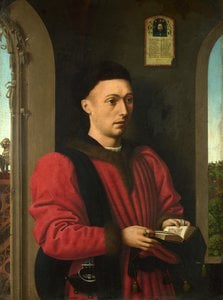
بعيداً عن لوحة العذراء مع الطفل، أنتج كريستوس عدداً من الأعمال البارزة الأخرى التي تستعرض مهارته الفنية وعمقه الفكري. وتعد لوحة بورتريه شاب، الموجودة حالياً في متحف تيسن بورنيمازا، نموذجاً آسراً لقدرته على التقاط الجوهر الإنساني؛ فنظرة الشخص المصور مباشرة وجذابة، تنقل إحساساً بالذكاء والوعي بالذات. كما تكشف اللوحة عن استخدام كريستوس الماكر للرمزية؛ فالشمعة الوحيدة المضاءة قد تمثل المسيح كنور للعالم، بينما قد تشير البرتقالة على حافة النافذة إلى الطهارة والفضيلة. لقد دمج هذه العناصر الرمزية بكثرة في لوحاته، مما أغنى معناها بما يتجاوز البصر المجرد. ومن أعماله الهامة أيضاً الدينونة الأخيرة، وهي تكوين معقد يظهر براعته في تصوير شخصيات متعددة داخل فضاء ديناميكي متحرك.

الإرث والأهمية التاريخية

توفي بيتروس كريستوس في بروج عام 1476، تاركاً وراءه إرثاً فنياً صغيراً نسبياً ولكنه مؤثر بعمق. لقد تركت ابتكاراته في المنظور الخطي وتقنياته الدقيقة أثراً باقياً على الأجيال اللاحقة من الرسامين. ورغم أنه لم يؤسس مرسماً ضخماً أو يجذب أتباعاً كثر، إلا أن أسلوبه استوعبه فنانون آخرون في المنطقة، مما ساهم في التطور الأوسع للرسم في عصر النهضة الشمالية. لقد جسر الفجوة بين أسلوب "القوطية الدولية" والنزعات الأكثر واقعية في القرن الخامس عشر، ممهداً الطريق لفنانين مثل هانس ميملين وهوجو فان دير غوس. واليوم، يُعرف بيتروس كريستوس كشخصية رئيسية في فن النهضة الفلمنكية المبكرة – صانع ماهر لا تزال لوحاته تأسر المشاهدين بجمالها، وواقعيتها، وعمقها الفكري، حيث تقدم أعماله نافذة فريدة على العالم الفني والديني لمدينة بروج في القرن الخامس عشر، وتذكرنا بقدرة الرسم على عكس واقعنا وتشكيل فهمنا له في آن واحد.
بيتروس كريستوس

بيتروس كريستوس

1465 - 1476 , بلجيكا

حقائق سريعة

  • Artistic Movement Or Style: الفن الفلمنكي المبكر
  • Artists Or Movements Influenced By This Artist:
    • يان فان إيك
    • روجير فان دير فايدن
  • Artists Who Influenced This Artist:
    • يان فان إيك
    • روجير فان دير فايدن
  • Date Of Birth: 1465
  • Date Of Death: 1476
  • Full Name: بيتروس كريستوس
  • Nationality: بلجيكي
  • Notable Artworks:
    • العذراء مع الطفل
    • بورتريه شاب
  • Place Of Birth: بارلي هيرتوغ، بلجيكا