معاينة الحجم الواقعي معاينة بالواقع المعزز اطلب نسخة مرسومة يدويًا التحويل إلى الصورة الرقمية إرسال
عرض التفاصيل دليل الأعمال الفنية للطلاب أضف إلى المفضلة تحميل قطع مشابهة الأشعة السينية عرض شرائح متتابع الإحصائيات

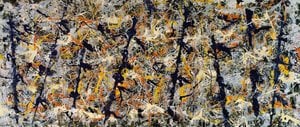
Going West

Experience Jackson Pollock's "Going West" (1935), a pivotal early work reflecting his family’s journey and influenced by Thomas Hart Benton. This oil painting captures pioneering life & showcases his evolving style.

اكتشف فن جاكسون بولوك (1912-1956) الثوري، رائد التعبيرية المجردة وتقنية التنقيط. استكشف لوحاته الشهيرة، كثافة المشاعر، وتأثيره الدائم على الفن الحديث. #التعبيرية_المجردة #بولوك

طباعة جيلي / مطبوعات فنية

طباعة جيكلي أو كانفاس بجودة المتاحف، مع سرعة في التنفيذ وخيارات متنوعة للتشطيب. ( اطلب نسخة مرسومة يدويًا التحويل إلى الصورة الرقمية)

Corner sample of the P118B picture frame: moulded polystyrene, 5 cm wide and 3 cm thick
P118B E£10
Corner sample of the P118H picture frame: moulded polystyrene, 5 cm wide and 3 cm thick
P118H E£10
Corner sample of the P118W picture frame: moulded polystyrene, 5 cm wide and 3 cm thick
P118W E£10
Corner sample of the P438Z picture frame: moulded polystyrene, 5.5 cm wide and 3.5 cm thick
P438Z E£10
Corner sample of the P508JH picture frame: moulded polystyrene, 7 cm wide and 3.5 cm thick
P508JH E£12
Corner sample of the P508YH picture frame: moulded polystyrene, 7 cm wide and 3.5 cm thick
P508YH E£12
Corner sample of the P805H picture frame: moulded polystyrene, 5 cm wide and 3.5 cm thick
P805H E£10
Corner sample of the P805Z picture frame: moulded polystyrene, 5 cm wide and 3.5 cm thick
P805Z E£10
Corner sample of the P919BZ picture frame: moulded polystyrene, 7 cm wide and 3.5 cm thick
P919BZ E£10
Corner sample of the P919G picture frame: moulded polystyrene, 7 cm wide and 3.5 cm thick
P919G E£10
Corner sample of the P919XJ picture frame: moulded polystyrene, 7 cm wide and 3.5 cm thick
P919XJ E£10
Corner sample of the P959ZH picture frame: moulded polystyrene, 5 cm wide and 3 cm thick
P959ZH E£10
Corner sample of the P968JZ picture frame: moulded polystyrene, 6 cm wide and 4 cm thick
P968JZ E£12
Corner sample of the W106C picture frame: solid wood, 5 cm wide and 3 cm thick
W106C E£8
Corner sample of the W218G picture frame: solid wood, 5 cm wide and 3 cm thick
W218G E£10
Corner sample of the W218JH picture frame: solid wood, 5 cm wide and 3 cm thick
W218JH E£8
Corner sample of the W218Y picture frame: solid wood, 5 cm wide and 3 cm thick
W218Y E£10
Corner sample of the W307PJ picture frame: solid wood, 6 cm wide and 3 cm thick
W307PJ E£10
Corner sample of the W316G picture frame: solid wood, 6 cm wide and 3 cm thick
W316G E£10
Corner sample of the W316PJ picture frame: solid wood, 6 cm wide and 3 cm thick
W316PJ E£8
Corner sample of the W316Y picture frame: solid wood, 6 cm wide and 3 cm thick
W316Y E£10
Corner sample of the W398PJ picture frame: solid wood, 5 cm wide and 3 cm thick
W398PJ E£8
Corner sample of the W4111J picture frame: solid wood, 6.5 cm wide and 3.5 cm thick
W4111J E£10
Corner sample of the W500HY picture frame: solid wood, 7 cm wide and 5 cm thick
W500HY E£15
Corner sample of the W500JH picture frame: solid wood, 7 cm wide and 5 cm thick
W500JH E£15
Corner sample of the W692G picture frame: solid wood, 8 cm wide and 4 cm thick
W692G E£12
Corner sample of the W849H picture frame: solid wood, 5 cm wide and 3 cm thick
W849H E£8
Corner sample of the W940BG picture frame: solid wood, 7.5 cm wide and 4.5 cm thick
W940BG E£15
Corner sample of the W953PJ picture frame: solid wood, 6 cm wide and 3.5 cm thick
W953PJ E£8

مقاس قياسي
مخصص
CM
INCH

اختر من بين أحجامنا المُعدّة مسبقاً والتي تتوافق مع النسب الأصلية للعمل الفني.

العرض
الارتفاع

يمكنك إدخال أبعاد خاصة لتناسب إطاراً أو مساحة معينة. وفي حال عدم تطابق الحجم المختار مع نسب الصورة الأصلية، سنقوم إما بقص العمل الفني أو تمديد الصورة باستخدام حافة معكوسة أو لون مصمت. وسيتم إرسال نموذج تجريبي رقمي لاعتمادك قبل بدء عملية الإنتاج.
يرجى ملاحظة أن المعاينة على الشاشة لا تعكس عملية القص أو التمديد الفعلية؛ حيث سيوضح النموذج التجريبي فقط التكوين النهائي بدقة.
وعلى الرغم من توفر أحجام مخصصة، إلا أننا نوصي باختيار أبعاد من القائمة المحددة مسبقاً للحفاظ على النسب الأصلية.

توصيل عالمي إلى خلال أسبوعين بدلاً من المدة القياسية البالغة 4/5 أسابيع. (11 أكتوبر)

شحن سريع ومجاني لجميع أنحاء العالم
قماش كتان فاخر
تأمين شامل على الشحن
ضمان استرداد الرسوم الجمركية
ضمان دقة مطابقة الألوان
سياسة الإرجاع خلال 100 يوم (في حالات العيوب فقط)
ضمان استرداد نقدي بنسبة 100%
عرض خصم الكميات

إجمالي السعر

E£ 3492

Going West

طباعة جيلي / مطبوعات فنية

مقاس النسخة المطبوعة

-

إجمالي السعر

E£ 3492

حقائق سريعة

  • Medium: Oil on canvas
  • Artist: Jackson Pollock
  • Movement: Abstract Expressionism
  • Title: Going West
  • Subject or theme: American West, Pioneer life
  • Dimensions: 38 x 52 cm
  • Notable elements: Drip technique, family journey

Jackson Pollock’s “Going West”: A Journey of Family and Form

Jackson Pollock's "Going West," painted in 1935, isn’t merely a depiction of a winter landscape; it’s a deeply personal narrative woven into the fabric of American pioneering spirit. Born Paul Jackson Pollock in Cody, Wyoming – a town intimately linked to westward expansion – the painting resonates with a profound sense of familial history and the yearning for a new horizon. The scene unfolds at night, dominated by a snow-dusted mountain range, a backdrop that immediately evokes the vastness and rugged beauty of the American West. A small group of figures stands before this imposing vista, their forms rendered in a style that’s both recognizable and subtly abstracted – a characteristic born from Pollock's early experimentation with various artistic influences.

The painting’s genesis is believed to be rooted in a family photograph of a bridge in Cody, Wyoming. This seemingly simple starting point becomes the foundation for a richer exploration of themes: the journey westward undertaken by Pollock’s own family during his childhood from Arizona to California. This personal connection imbues the artwork with an emotional weight, transforming it into more than just a landscape; it's a visual embodiment of displacement, aspiration, and the enduring pull of home. The inclusion of a dog amongst the figures adds another layer of intimacy, suggesting companionship and shared experience on this arduous journey.

Echoes of Benton: Regionalism and Early Influence

To fully appreciate “Going West,” it’s crucial to recognize the significant influence of Thomas Hart Benton, Pollock's mentor. Benton, a prominent American Regionalist painter, championed a style characterized by realistic depictions of everyday life, particularly focusing on rural America and its history. Pollock, in his early career, was deeply drawn to Benton’s approach – evident in the careful rendering of the figures and the detailed depiction of the landscape. However, Pollock quickly moved beyond mere imitation, incorporating elements of Surrealism and drawing inspiration from Native American art, ultimately forging his own distinctive style.

Notice how Benton's use of bold lines and a somewhat flattened perspective is echoed in Pollock’s composition, though subtly transformed. The figures aren’t sharply defined; they possess an almost dreamlike quality, contributing to the painting’s overall atmosphere of mystery and introspection. This early experimentation with different styles demonstrates Pollock’s artistic restlessness and his willingness to absorb influences before ultimately establishing his revolutionary drip technique.

The Language of Paint: Technique and Atmosphere

“Going West” is a masterclass in the expressive potential of oil paint. Pollock employs a layered, almost chaotic application, building up texture and depth through multiple layers of color. The dark blues and blacks of the night sky contrast dramatically with the warm hues of the mountains and the figures’ clothing, creating a powerful sense of drama and visual tension. The technique is not about precise representation; it's about conveying feeling – the coldness of the winter air, the vastness of the landscape, and the quiet contemplation of the group before them.

The use of impasto—thickly applied paint—adds a tactile quality to the canvas, inviting viewers to reach out and touch the surface. This physicality is particularly striking in the depiction of the mountains, where the paint seems to ripple and flow like water. The overall effect is one of movement and energy, despite the static pose of the figures. It’s important to note that this technique was still developing as Pollock moved toward his signature drip painting style, making “Going West” a crucial stepping stone in his artistic evolution.

A Testament to American Identity

“Going West” transcends its immediate subject matter to become a potent symbol of the American experience. It speaks to the pioneering spirit, the challenges and rewards of westward expansion, and the enduring connection between family and place. Pollock’s ability to blend personal history with broader themes of American life is what makes this painting so compelling – it's not just a landscape; it’s a meditation on identity, journey, and the search for belonging. The painting serves as an important piece in understanding Pollock's early artistic development, setting the stage for his later abstract expressionist works.

For those seeking to own a piece of this remarkable artwork, WahooArt offers meticulously crafted hand-painted reproductions of “Going West.” These faithful recreations capture the painting’s rich textures, dramatic lighting, and emotional depth, allowing you to bring this iconic image into your home or office. Explore our reproduction options today!

الأسئلة والأجوبة

من هو الفنان الذي أبدع "Going West"؟

تم إبداع "Going West" بواسطة جاكسون بولوك. وتصف المعلومات الواردة في هذه الصفحة العمل الأصلي لـ جاكسون بولوك.

ما مدى سطوع "Going West" للفنان جاكسون بولوك؟

بشكل عام، تم تسجيل درجة السطوع لـ "Going West" بـ deep_shadow. ويصف السطوع المدرك مدى ظهور العمل الفني كضوء أو عتمة.

في أي عمر أبدع جاكسون بولوك لوحة "Going West"؟

كان عمر جاكسون بولوك يبلغ 23 عاماً عند إبداع العمل "Going West" في عام 1935. تم حساب العمر بناءً على سنة ميلاد الفنان، 1912.

ما هو الشعور الذي تثيره ألوان "Going West" للفنان جاكسون بولوك؟

في "Going West"، ترافق ألوان Earthy شعوراً بـ Melancholic.

ما مدى شهرة "Going West" ضمن حركة Abstract Expressionism؟

تُصنف لوحة "Going West" على أنها Iconic ضمن أعمال Abstract Expressionism في الكتالوج.

ما هو تاريخ إبداع "Going West" للفنان جاكسون بولوك؟

يعود تاريخ "Going West" إلى عام 1935، وهو تاريخ يضع العمل ضمن المسيرة المهنية لـ جاكسون بولوك وفي سياق حقبته الزمنية.

هل ألوان "Going West" للفنان جاكسون بولوك زاهية أم خافتة؟

تُظهر ألوان "Going West" للفنان جاكسون بولوك تشبعاً بمستوى Muted مع حدة بلغت Monochromatic.


نبذة عن الفنان

البدايات الأولى وبذور الابتكار

وُلد بول جاكسون بولوك في مدينة كودي بولاية وايومنغ عام 1912، وكان منذ البداية روحاً متمردة لا تعرف الاستقرار. اتسمت حياته المبكرة بكثرة التنقل، حيث كان والده يعمل كمساح للأراضي عبر المناظر الطبيعية الشاسعة في الغرب الأمريكي. هذا الوجود المرتحل غرس في نفس بولوك الشاب صلة عميقة بالعالم الطبيعي، وعرّضه لثقافات متنوعة، لا سيما من خلال لقاءاته مع فنون السكان الأصليين لأمريكا خلال رحلات المساحة تلك؛ وهي انطباعات تغلغلت ببراعة في رؤيته الفنية في وقت لاحق من حياته. ورغم أنه لم يقم أبداً بمحاكاة الأنماط الأصلية بشكل صريح، إلا أن الطاقة الخام والرنين الروحي لتلك التجارب المبكرة تركا بصمتهما التي لا شك فيها.

بدأ تدريب بولوك الفني الرسمي في مدرسة "مانويل آرتس" الثانوية في لوس أنشيلوس، تلتها دراسات في رابطة طلاب الفنون في نيويورك تحت إشراف توماس هارت بينتون. كان بينتون شخصية بارزة في الحركة الإقليمية، وقد ركز على التكوين الإيقاعي والموضوعات السردية المتجذرة في الحياة الأمريكية. وبينما استوعب بولوك هذه الدروس في البداية، إلا أن ميله الفطري اتجه نحو استكشافات أكثر تجريداً. كما تأثر بعمق برسامي الجداريات المكسيكيين مثل خوسيه كليمنتي أوروزكو، الذي لامست تصويراته القوية للصراع الاجتماعي أعماقه. وضعت هذه المؤثرات المبكرة حجر الأساس، ولكن عالم السريالية الناشئ هو ما فتح حقاً آفاق الإمكانات الفنية لبولوك.

ميلاد "رسم الفعل" والتقنية الثورية

شهدت ثلاثينيات القرن العشرين تجارب بولوك مع تقنيات متنوعة، بحثاً عن بدائل لأساليب الرسم التقليدية بالفرشاة. بدأ في سكب الطلاء، مستكشفاً سيولته وطبيعته غير المتوقعة. ومع ذلك، كان حوالي عام 1947 هو الوقت الذي شهد تحولاً جذرياً في مساره الفني؛ فبعد أن تخلى عن الحامل تماماً، وضع بولوك لوحاته مباشرة على الأرض، ليبدأ ما سيعرف لاحقاً بـ "تقنية التنقيط". ومن ثم شرع في تنقيط ورش ونثر الطلاء فوق اللوحة من الأعلى، ليدير رقصة ديناميكية بين الفنان والوسيط وسطح اللوحة.

لم يكن الأمر مجرد وضع للطلاء، بل كان تجسيداً لفعل الخلق ذاته. أصبحت لوحات بولوك ساحات للتعبير الجسدي، تلتقط فورية إيماءاته وعواطفه. وتتميز اللوحات الناتجة بتكوين "شامل" (all-over) – حيث يغيب التركيز المركزي مما يدعو المشاهد لاستكشاف السطح بأكمله كمجال موحد من الطاقة. تتشابك شبكات معقدة من الخطوط والألوان، مما يخلق تعقيداً بصرياً يأسر الألباب ويتحداها في آن واحد. وقد استخدم أدوات غير تقليدية — العصي، والسكاكين، وحتى المحاقن — للتحكم في الطلاء بطرق لا يمكن التنبؤ بها، مما أكد أكثر على الطبيعة العفوية لعمليته الإبداعية.

هذا النهج المبتكر جعل من بولوك شخصية محورية في حركة التعبيرية المجردة الناشئة، والتي ظهرت في مدينة نيويورك بعد الحرب العالمية الثانية. أعطت التعبيرية المجردة الأولوية للإيماءة العفوية، والمقياس الكبير، والصور غير التمثيلية، مما عكس تحولاً ثقافياً أوسع بعيداً عن التقاليد الفنية الموروثة. كما كان زواجه من الفنانة الزميلة لي كراسنر محورياً؛ فقد قدمت له دعماً عاطفياً لا يتزعزع وشجعت تطوره الفني بنشاط، مدركة الطبيعة الرائدة لأعماله.

الأعمال الأيقونية والإرث الخالد

تعد أشهر أعمال بولوك — مثل اللوحة رقم 1، 1950 (ضباب اللافندر)، وواحد: الرقم 31، 1950، والأعمدة الزرقاء: الرقم 11، 1952، والتقارب — شهادات حية على تقنيته الثورية. هذه اللوحات ليست مجرد صور؛ بل هي سجلات لأداء فني، مشبعة بالحضور الجسدي للفنان وكثافته العاطفورة. إن الطاقة الديناميكية التي تنبعث من هذه اللوحات ملموسة، وتجذب المشاهدين إلى عالم من التجريد الخالص.

يتجاوز أسلوبه مجرد الجماليات؛ فهو استكشاف للعملية الفنية فوق المنتج النهائي. سعى بولوك إلى التقاط فورية أفعاله وعواطفه على القماش، رافضاً المفاهيم التقليدية للتكوين والتمثيل. وقد غاص في علم النفس اليونغي، مستكشفاً الأنماط البدائية واللاوعي في فنه، ساعياً للوصول إلى الرموز العالمية والطاقات الأولية.

إن تأثير بولوك على تاريخ الفن لا يمكن قياسه. لقد غير بشكل جذري الطريقة التي يتعامل بها الفنانون مع الرسم، متحرراً من الأساليب القائمة على الحامل ومتبنياً نهجاً أكثر أدائية. وقد ساعد عمله في ترسيخ مكانة مدينة نيويورك كمركز عالمي للفن الحديث، محولاً التركيز بعيداً عن الهيمنة الأوروبية. ويمكن رؤية تأثيره في أعمال عدد لا يحصى من الفنانين الذين جاءوا بعده، بما في ذلك أولئك المرتبطين برسم الحقل اللوني وأشكال التعبيرية المجردة اللاحقة.

وعلى الرغم من أنه واجه في البداية آراءً متباينة — حيث رفض بعض النقاد أعماله باعتبارها فوضوية أو تفتقر إلى المهارة — إلا أن سمعة بولوك نمت بثبات بعد وفاته المبكرة عام 1956 عن عمر يناهز 44 عاماً. واليوم، يُعترف به عالمياً كواحد من أهم الفنانين وأكثرهم تأثيراً في القرن العشرين؛ رؤيوي تجرأ على تحدي التقاليد وإعادة تعريف حدود التعبير الفني. وتستمر تقنياته المبتكرة وأسلوبه التعبيري في الإلهام والإثارة، مما يضمن إرثه الخالد للأجيال القادمة.

جاكسون بولوك

جاكسون بولوك

1912 - 1956 , الولايات المتحدة الأمريكية

لمحة سريعة

  • أعمال بارزة:
    • رقم 1، 1950 (ضباب اللافندر)
    • واحد: رقم 31، 1950
  • الاسم الكامل: بول جاكسون بولوك
  • الجنسية: أمريكي
  • الحركة الفنية: التعبيرية المجردة
  • تاريخ الميلاد: 28 يناير 1912
  • تاريخ الوفاة: 11 أغسطس 1956
  • حركات فنية متأثرة:
    • لوحة الألوان
    • التعبيرية المجردة
  • فنانون مؤثرون:
    • خوسيه كليمنتي أوروزكو
    • توماس هارت بنتون
  • مكان الميلاد: كودي، الولايات المتحدة الأمريكية
استكشف الأعمال الفنية المصنفة حسب الموضوعات والأنماط والخصائص.