


طباعة جيكلي أو كانفاس بجودة المتاحف، مع سرعة في التنفيذ وخيارات متنوعة للتشطيب. ( اشترِ لوحة مرسومة يدويًا اشترِ الصورة)





























اختر من بين أحجامنا المُعدّة مسبقًا والتي تتطابق مع النسب الأصلية للعمل الفني.

يمكنك إدخال أبعادك الخاصة لتناسب إطاراً أو مساحة معينة. وإذا لم يتطابق الحجم الذي اخترته مع نسب الصورة الأصلية، فسنقوم إما بقص العمل الفني أو تمديد الصورة باستخدام حافة معكوسة أو بلون مصمت. سيتم إرسال نموذج تجريبي رقمي لاعتمادك قبل بدء الإنتاج.
يرجى ملاحظة أن المعاينة على الشاشة لا تعكس عملية القص أو التمديد الفعلية؛ حيث سيوضح النموذج التجريبي فقط التكوين النهائي بدقة.
وعلى الرغم من توفر أحجام مخصصة، إلا أننا نوصي باختيار أبعاد من القائمة المحددة مسبقاً للحفاظ على النسب الأصلية.
توصيل عالمي إلى خلال أسبوعين بدلاً من المدة القياسية البالغة 4/5 أسابيع. 7 سبتمبر


View of Auvers sur Oise
مقاس النسخة المطبوعة
In the quiet, rolling hills of Northern France, Paul Cézanne captured more than just a village; he captured the very architecture of nature. View of Auvers sur Oise stands as a profound testament to a moment where the fleeting light of Impressionism began to solidify into something much more permanent and structural. The painting presents a picturesque scene of a hillside village, where houses with roofs of soft blue and warm orange nestle amongst a lush tapestry of green slopes and scattered trees. There is a rhythmic harmony in the way the landscape unfolds, leading the eye from the immediate verdant foreground toward a distant, rising hillside crowned by a delicate church spire. It is a scene that invites the viewer to linger, offering a sense of tranquility that belies the revolutionary technical shifts occurring beneath the surface of the paint.
To gaze upon this work is to witness the birth of modern vision. While Cézanne’s contemporaries were often preoccupied with the shimmering, ephemeral effects of sunlight, this piece reveals his move toward a more assertive and sculptural approach. He does not merely paint light; he paints substance. Through the use of thick impasto—a heavy, tactile application of pigment—Cézanne breathes life into the terrain. The brushstrokes are not used to blend away the reality of the canvas, but rather to build it, using patches of color to construct the weight of a rooftop or the sturdy trunk of a tree. This technique transforms the landscape into a collection of geometric essences, hinting at the cubes and cylinders that would later define the Cubist movement.
Beyond its formal brilliance, the painting carries a deep historical resonance. Though believed to have been painted around 1879–1880, the location of Auvers-sur-Oise remains etched in the collective memory of art history as a place of intense creative energy and profound psychological depth. The village itself serves as more than a mere backdrop; it is a symbol of the intersection between the pastoral and the human spirit. There is an understated dignity in the way the houses are rendered, standing as silent witnesses to the changing tides of French history. For the collector or the interior designer, this piece offers a sophisticated balance of serenity and strength, making it an ideal centerpiece for spaces that require both a calming presence and a conversation-starting intellectual depth.
The emotional impact of the work lies in its ability to evoke a sense of timelessness. There is a certain melancholy in the heavy, deliberate strokes, yet the vibrant greens and the bright, cloud-streaked sky provide an uplifting counterpoint. It is a landscape that feels both grounded in the earth and reaching toward the infinite. For those seeking to adorn a home or gallery with a high-quality reproduction, this painting provides a window into a pivotal era of human expression—a moment where the world was being reimagined, one deliberate brushstroke at a time.

1839 - 1906 , فرنسا
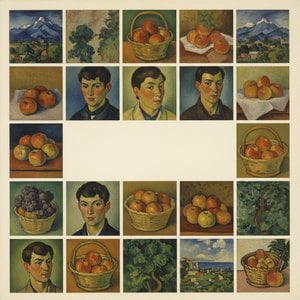
اكتشف 25 تحفة فنية لبول سيزان، رائد الانطباعية وما بعد الانطباعية. استكشف قصص لوحاته الزيتية الشهيرة وألوانه الجريئة وتقنياته الفريدة. احصل على إلهام لديكور منزلك الفاخر مع WahooArt.com.

Journey into the heart of Impressionism! Explore 10 masterpieces by Monet, Renoir & Degas that revolutionized landscape art. Discover their stories, techniques & find museum-quality reproductions to elevate your home decor on WahooArt.com.

Journey through Impressionism's heart with 10 iconic paintings by Monet, Renoir & Degas. Explore light, color & the stories behind these masterpieces. Find museum-quality art reproductions and elevate your home decor on WahooArt.com.

Explore the rich history of landscape art with WahooArt. Discover renowned artists, movements like Impressionism & Romanticism, and expert guidance for collecting timeless pieces. Find your perfect serene escape today!

Explore the rich history of landscape art with WahooArt. Discover renowned artists, movements like Impressionism & tonalism, and expert guidance for collecting timeless pieces. Find your perfect serene escape today!

 معاينة الحجم الحقيقي
 مشاركة
 مشاركة
 التفاصيل

 تحميل الملف
 قطع مشابهة
 الأشعة السينية
 عرض شرائح

 عرض المزيد







 خيار الزجاج متاح فقط للمقاسات التي تقل عن 110 سم


