طباعة جيكلي أو كانفاس بجودة المتاحف، مع سرعة في التنفيذ وخيارات متنوعة للتشطيب. ( اشترِ لوحة مرسومة يدويًا
الانتقال إلى الصورة الرقمية)
اختر من بين أحجامنا المُعدّة مسبقًا والتي تتطابق مع النسب الأصلية للعمل الفني.
يمكنك إدخال أبعادك الخاصة لتناسب إطاراً أو مساحة معينة. وإذا لم يتطابق الحجم الذي اخترته مع نسب الصورة الأصلية، فسنقوم إما بقص العمل الفني أو تمديد الصورة باستخدام حافة معكوسة أو بلون مصمت. سيتم إرسال نموذج تجريبي رقمي لاعتمادك قبل بدء الإنتاج.
يرجى ملاحظة أن المعاينة على الشاشة لا تعكس عملية القص أو التمديد الفعلية؛ حيث سيوضح النموذج التجريبي فقط التكوين النهائي بدقة.
وعلى الرغم من توفر أحجام مخصصة، إلا أننا نوصي باختيار أبعاد من القائمة المحددة مسبقاً للحفاظ على النسب الأصلية.
توصيل عالمي إلى خلال أسبوعين بدلاً من المدة القياسية البالغة 4/5 أسابيع. 22 سبتمبر
Mont Sainte-Victoire (15)
مقاس النسخة المطبوعة
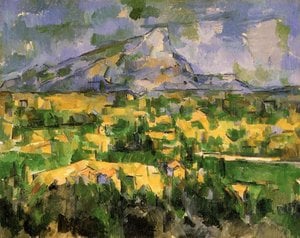
Paul Cézanne’s “Mont Sainte-Victoire” isn't merely a landscape painting; it’s an embodiment of artistic revolution. Completed in 1902, this watercolor captures the iconic Provençal mountain with remarkable precision—yet simultaneously dismantles traditional notions of representation. Examining Cézanne’s approach reveals profound insights into the genesis of modern art and offers a compelling visual experience for anyone captivated by Post-Impressionism.
The painting’s deliberate flatness—a radical departure from academic conventions—challenges viewers to reconsider how they perceive space and form. Cézanne achieves this effect through a technique known as “optical recession,” where he renders depth not through shading but by layering colors and textures that suggest movement and transformation.
Consider the way Cézanne builds up Mont Sainte-Victoire’s contours using parallel brushstrokes—a characteristic feature of his style. These strokes create an illusion of solidity, mirroring the mountain's geological structure. The artist’s meticulous attention to detail underscores his commitment to capturing not just what he sees but also how he *feels* about what he observes.
1839 - 1906 , فرنسا