A Moment of Intimacy: Exploring Cézanne’s *Five Bathers*
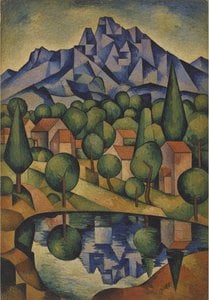
Paul Cézanne's *Five Bathers*, painted in 1885, is far more than a depiction of nude figures; it’s a pivotal work marking a decisive shift in the history of art. Currently residing at the Kunstmuseum Basel, this oil on canvas embodies the burgeoning Post-Impressionist style and foreshadows the radical innovations of Cubism. The painting invites us into a secluded woodland scene, observing five women – one reclining on the ground, four standing around her – engaged in quiet contemplation and subtle interaction. A further figure is glimpsed distantly, adding depth to the composition.
Deconstructing the Composition
Cézanne deliberately rejects traditional academic compositions. The arrangement isn’t narrative-driven; instead, it focuses on the *relationship* between forms and spaces. The figures aren't idealized beauties but are rendered with a deliberate solidity, almost sculptural in their presence. Notice how Cézanne uses the trees not as background elements, but as integral parts of the composition, interweaving with the bodies to create a unified visual experience. There’s a sense of geometric structure underlying the seemingly natural arrangement – foreshadowing his later explorations into reducing forms to their essential components. The placement of figures and use of negative space are carefully considered, creating a dynamic tension within the scene.
The Revolutionary Technique
Cézanne's technique in *Five Bathers* is groundbreaking. He employs bold, visible brushstrokes – not blended smoothly as was customary – to build up form and texture. This deliberate application of paint isn’t about mimicking reality; it’s about conveying Cézanne’s *perception* of reality. The colors are vibrant yet earthy, creating a harmonious balance between naturalism and artistic expression. He utilizes planes of color rather than traditional shading, contributing to the painting's flattened perspective and emphasizing its two-dimensionality. This technique – known as impasto – gives the surface a tactile quality, inviting closer inspection.
Historical Context & The Birth of Modern Art
Painted during a period of transition in art, *Five Bathers* represents a rejection of Impressionism’s fleeting moments and focus on light. Cézanne sought to create something more enduring – a painting that captured the underlying structure of nature. He was influenced by his study of classical sculpture and a desire to bring order and solidity back into painting. This work directly impacted artists like Pablo Picasso and Henri Matisse, who saw in Cézanne’s approach a pathway towards new forms of expression. *Five Bathers* is considered a crucial precursor to Cubism, as it challenged traditional notions of perspective and representation.
Symbolism & Emotional Resonance
The symbolism within *Five Bathers* remains open to interpretation. The nude figures can be seen as representing an idealized vision of nature or perhaps alluding to mythological themes like nymphs or goddesses. However, the painting’s power lies not in a specific narrative but in its evocation of mood and atmosphere. There's a sense of quiet intimacy and vulnerability within the scene, coupled with a feeling of timelessness. The women aren’t engaging with the viewer; they exist within their own world, creating a sense of voyeuristic observation.
A Lasting Legacy
*Five Bathers* is not merely a beautiful painting; it's a cornerstone of modern art. Its influence can be seen in countless works that followed, and its innovative techniques continue to inspire artists today. For collectors and interior designers, a reproduction of this masterpiece offers a sophisticated touch, bringing a sense of intellectual depth and artistic heritage to any space.
It’s a piece that invites contemplation and rewards repeated viewing.
WahooArt.com offers exceptional, hand-painted reproductions of *Five Bathers* and other masterpieces by Paul Cézanne, allowing you to experience the beauty and innovation of this iconic work in your own home or office.
الأسئلة والأجوبة
ما مدى شهرة "Five Bathers" ضمن حركة Post-Impressionism؟
تُصنف لوحة "Five Bathers" على أنها أيقوني ضمن أعمال Post-Impressionism في الكتالوج.
كيف يمتزج الوسيط والأسلوب في "Five Bathers"؟
تُنفذ لوحة "Five Bathers" باستخدام زيت على قماش، وبأسلوب Post-Impressionism.
كيف يمكنني معاينة نسخة من "Five Bathers" للفنان بول سيزان؟
يمكنك معاينة "Five Bathers" للفنان بول سيزان عبر صفحة معاينة الخاصة بالعمل الفني.



 معاينة الحجم الواقعي
 اطلب نسخة مرسومة يدويًا
 إرسال
إرسال مشاركة
 عرض التفاصيل
 دليل الأعمال الفنية للطلاب

 تحميل
تحميل
 قطع مشابهة
 الأشعة السينية
 عرض شرائح متتابع
 الإحصائيات

 اقرأ المزيد






































 خيار الزجاج متاح فقط للمقاسات التي تقل عن 110 سم